


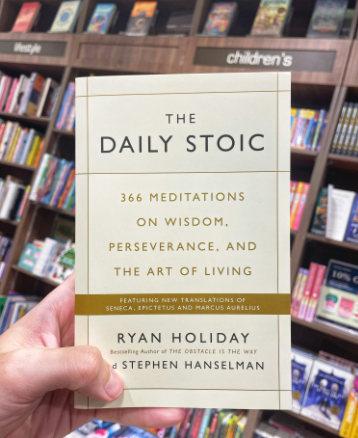
Understanding Stoicism: An Introduction to the Philosophy
Stoicism is an ancient philosophical system that originated in Athens around the early 3rd century BC. Founded by Zeno of Citium, this school of thought has profoundly influenced Western philosophy, particularly through its advocacy for rational thought and ethical virtue. Key figures who contributed to the development of Stoicism include Lucius Annaeus Seneca, Epictetus, and the Roman Emperor Marcus Aurelius, each of whom provided unique insights into the application of Stoic principles in everyday life.
At its core, Stoicism emphasizes the importance of living in accordance with nature and reason. Central to this philosophy is the concept of virtue, which Stoics define as the highest good. Virtue encompasses traits like wisdom, courage, justice, and temperance, which Stoics believe are essential for achieving a fulfilling life. By cultivating these virtues, individuals can attain inner peace and resilience, regardless of external circumstances.
Another critical aspect of Stoicism is the principle of rationality. Stoics argue that while individuals cannot control external events, they can control their responses to those events. This leads to the Stoic notion of the dichotomy of control, distinguishing between what is within our power—our thoughts, intentions, and actions—and what is outside our control—such as the opinions of others and the unfolding of events. By focusing solely on what we can influence, Stoics aim to cultivate mental clarity and emotional stability.
These ancient ideas, particularly the emphasis on virtue and the dichotomy of control, remain strikingly relevant in contemporary society. As modern individuals navigate complex lives filled with uncertainty and stress, the Stoic approach provides practical tools for maintaining composure and purpose, illustrating how this timeless philosophy continues to be a valuable guide in the quest for resilience and fulfillment.
The Core Principles of Stoicism
Stoicism, an ancient Greek philosophy, is built upon several fundamental principles that provide a framework for virtuous living and emotional resilience. One of the most significant tenets of Stoicism is the belief that virtue constitutes the highest good. Unlike material wealth or accolades, Stoics assert that true happiness stems from cultivating virtues such as wisdom, courage, justice, and self-discipline. By focusing on ethical conduct and virtuous actions, individuals can attain a form of inner peace, which is paramount in navigating the complexities of life.
Another cornerstone of Stoicism is the emphasis on reason over emotions. Stoics advocate for the use of rational thought to guide one’s behavior rather than succumbing to emotional impulses. This alignment with reason helps individuals make decisions that are not only judicious but also reflective of their core values. By maintaining a rational perspective, one can detach from fleeting desires and fears, fostering a sense of autonomy and control over one’s destiny.
Moreover, the Stoic philosophy teaches the importance of enduring hardships with grace. Life inevitably presents challenges and adversities, and Stoics encourage acceptance of these realities rather than resisting them. This principle emphasizes the transient nature of external circumstances, suggesting that individuals have the power to respond to adversity with resilience. By cultivating inner strength and a mindset oriented towards acceptance, one can minimize suffering and foster emotional equanimity. Hence, Stoicism provides practical guidance for managing difficult situations with dignity and composure.
In summary, the core principles of Stoicism—virtue as the highest good, the prioritization of reason over emotions, and the graceful endurance of hardships—serve as foundational tenets. These timeless ideas continue to influence modern lifestyles, offering a pathway towards emotional stability and ethical decision-making in an increasingly complex world.
Why Stoicism is Relevant in Modern Times
In the contemporary world characterized by rapid change and unpredictability, the ancient philosophy of Stoicism offers valuable insights that resonate with our current experiences. The teachings of Stoicism, which emphasize self-control, rational thought, and emotional resilience, provide individuals with practical strategies for managing stress and uncertainty. As people face the pressures of daily life—be it in the work environment, personal relationships, or societal expectations—the ability to cultivate resilience becomes increasingly important.
One of the foundational tenets of Stoicism is the distinction between what is within our control and what is not. In a period flooded with information and external stimuli, this principle encourages individuals to focus their efforts on their actions and reactions, rather than being overwhelmed by circumstances beyond their influence. By adopting this mindset, modern practitioners of Stoicism can mitigate feelings of anxiety and helplessness that often arise in response to external pressures.
Additionally, Stoicism teaches the importance of emotional regulation. In an era where emotional upheavals are commonplace, especially due to social media and the constant connectivity afforded by technology, the Stoic approach can help individuals cultivate a balanced perspective. Techniques such as the practice of negative visualization encourage individuals to contemplate adverse scenarios, thereby fostering a sense of gratitude and enhancing emotional stability. This approach assists in preparing for challenges and reduces the impact of unforeseen difficulties.
As we navigate the complexities of modern living, the timeless principles of Stoicism serve as guiding tools, enhancing our ability to remain resilient amidst chaos. By integrating Stoic practices into our daily routines, we can foster a more balanced, mindful existence, shaping our responses to life’s challenges with greater composure and strength.
Practicing the Dichotomy of Control
The Stoic philosophy emphasizes the importance of understanding the dichotomy of control, which delineates between what is within our control and what lies beyond it. This principle can be particularly beneficial in our modern lives, which are often filled with stress and uncertainty. By focusing our efforts on the aspects we can influence, we can foster a more peaceful and resilient mindset.
At its core, the dichotomy of control teaches us that while we cannot govern external events or the actions of others, we do have authority over our thoughts, intentions, and responses. To practice this concept effectively, one can begin by identifying common stressors in daily life, such as work-related pressures or interpersonal conflicts. By categorizing these issues into what we can control and what we cannot, individuals can begin to understand where to direct their energy.
An effective strategy for applying this principle is to create a simple list. On one side, write down the elements of a situation that you can manage, such as your attitude, effort, and decisions. On the opposite side, enumerate the factors that are beyond your control. This clear visual representation serves as a reminder to concentrate on personal contributions rather than waste energy on matters determined by external forces.
Moreover, practicing mindfulness can enhance this process by encouraging individuals to stay present and grounded in their thoughts. Engaging in regular reflection can help reinforce the understanding of what is uncontrollable, thus allowing for a more rational response to challenges. This practice not only alleviates anxiety but also fosters a greater sense of empowerment.
In summary, recognizing and embracing the dichotomy of control can lead to a more fulfilling life. By accepting the limitations of external circumstances and focusing on personal agency, individuals can cultivate resilience, clarity, and peace of mind in everyday situations.
Embracing Adversity: The Stoic Response to Challenges
Stoicism posits that adversity is not merely a challenge to be endured, but a profound opportunity for personal growth and transformation. Recognizing this perspective can significantly alter how one approaches life’s inevitable difficulties. A central tenet of Stoicism is the understanding that while we cannot control external events, we can control our responses to them. This approach fosters resilience, enabling individuals to cultivate strength and virtue through their struggles.
One fundamental technique of Stoicism is the practice of cognitive reframing. When faced with setbacks or challenges, Stoics recommend assessing the situation objectively and asking oneself what valuable lessons or strengths can be derived from it. This method encourages individuals to view discomfort not as a hindrance, but as a catalyst for personal development. For instance, consider the anecdote of the Stoic philosopher Seneca, who faced exile and financial ruin. Rather than succumbing to despair, he used that time to reflect deeper on life, ultimately producing works that continue to inspire millions today.
Moreover, embracing discomfort is another Stoic principle. By deliberately placing ourselves in challenging situations, we fortify our mental and emotional resilience. Engaging in practices such as cold showers, intense workouts, or public speaking can prepare us to face unforeseen adversities with calmness and poise. Such experiences can aid individuals in becoming more adaptable and mentally agile when confronted with real-life difficulties.
Ultimately, the Stoic philosophy advocates for viewing challenges as formative experiences. By embracing adversity, we not only learn to endure but also flourish in the face of life’s trials. The lessons learned through overcoming obstacles can help build a robust character equipped for future challenges in a changing world.
Daily Stoic Practices: Building a Stoic Routine
Incorporating Stoicism into daily life involves the establishment of practical habits that promote mental clarity, resilience, and a balanced approach to challenges. One foundational practice is journaling, which serves as a reflective tool for self-discovery and emotional regulation. By dedicating time each day to write about thoughts and experiences, individuals can cultivate a deeper understanding of their reactions and behaviors. Stoic journaling encourages appraisal of daily events through a Stoic lens, promoting gratitude for what one has and acceptance of what cannot be changed.
Another significant practice is the contemplation of mortality, a technique encouraged by Stoic philosophers such as Seneca. Regularly reflecting on the transient nature of life can instill a sense of urgency and appreciation for the present moment. By recognizing that life is finite, practitioners can prioritize meaningful interactions and experiences, rather than getting caught up in trivial matters. This conscious engagement with mortality can lead to a more fulfilling and purpose-driven life.
Gratitude, a powerful Stoic principle, further enhances one’s emotional well-being. Engaging in daily exercises of gratitude, such as noting three things one is thankful for, helps shift focus from challenges to positive aspects of life. This practice promotes a mindset of abundance rather than scarcity, encouraging a more optimistic view when faced with adversity.
Integrating these Stoic exercises into everyday routines not only fosters resilience but also enhances overall mental well-being. The consistent application of journaling, reflection on mortality, and gratitude practices can help individuals navigate life’s complexities with a calm and composed demeanor. Thus, cultivating a Stoic routine equips one with the necessary tools to face challenges and embrace life’s unpredictability with grace.
Stoicism and Emotional Intelligence
Stoicism, an ancient philosophical school, emphasizes the importance of rational thought, self-control, and virtue as a means to achieve tranquility in life. One of the most significant aspects of Stoicism is its relevance to emotional intelligence, which is the ability to recognize, understand, and manage one’s own emotions as well as the emotions of others. This intersection between Stoicism and emotional intelligence can have profound implications for how individuals navigate their personal and professional relationships.
The Stoic teachings encourage a disciplined approach to emotions, advocating for the evaluation of feelings rather than impulsive reactions. By cultivating mindfulness and reflection, an individual reinforces their emotional resilience, enabling them to respond rather than react to emotional stimuli. This aligns closely with the concept of emotional regulation, which serves as a cornerstone of emotional intelligence. When individuals practice emotional regulation consistent with Stoic principles, they are better equipped to maintain composure during challenging situations, leading to better decision-making and relationship outcomes.
Moreover, the Stoic approach to managing emotions promotes understanding and empathy, essential components of emotional intelligence. By recognizing that others too experience a turbulent emotional landscape, one can foster healthier interpersonal relationships. The Stoic practice of viewing events through the lens of external and internal factors encourages individuals to empathize with the emotional states of others, resulting in improved communication and cooperation.
Ultimately, integrating Stoic philosophies into the framework of emotional intelligence can lead to enhanced personal development. This integration not only aids individuals in becoming more self-aware but also cultivates a sense of empowerment and agency over their emotional responses, thereby improving overall quality of life. When individuals harness the strength of both Stoicism and emotional intelligence, they pave a pathway to resilience and deeper connections with those around them, fostering a more harmonious existence.
Real-Life Applications: Stoicism Workbook
Applying the principles of Stoicism in daily life can provide individuals with a sturdy framework for personal development and emotional resilience. This workbook is designed to guide readers through practical exercises, prompts, and reflective questions that assist in cultivating a Stoic mindset. A cornerstone of Stoic philosophy is the idea of focusing on what is within our control while accepting what lies beyond it. Begin by taking a moment to reflect on your current challenges. Write down three situations causing you distress. Next to each, categorize what is within your control and what is not. This exercise fosters clarity and encourages proactive decision-making.
Another essential aspect of Stoicism is the practice of gratitude. Every evening, list three things you are grateful for, no matter how small. This habit enhances your perspective on life, helping shift focus from negativity to appreciation. Additionally, consider engaging in daily negative visualization. Imagine losing something or someone particularly significant to you—this exercise aids in appreciating what you currently have and reduces fear of loss. Document your thoughts and feelings after each visualization to track how your outlook may change over time.
Moreover, self-assessment is crucial to the development of a Stoic mindset. At the end of each week, spend some time reflecting on your actions and decisions. Ask yourself the following questions: What challenges did I face? How did I respond? Did I act in alignment with my values? This process fosters development through feedback, allowing individuals to grow consistently.
Lastly, remember that Stoicism is not solely about enduring hardships but about flourishing amidst challenges. Frequent engagement with these exercises will help cultivate a resilient mindset, better equipped to navigate both personal and professional domains.
Conclusion: The Enduring Legacy of Stoicism
Throughout this exploration of Stoicism, we have uncovered the essence of this ancient philosophy and its relevance in contemporary life. Stoicism, rooted in the teachings of philosophers such as Seneca, Epictetus, and Marcus Aurelius, offers a framework for navigating the complexities of existence with grace and resilience. By recognizing that our thoughts and reactions are within our control, we can cultivate inner peace and a sense of purpose, even amidst external chaos.
The core tenets of Stoicism—self-control, mindfulness, and acceptance—remain remarkably pertinent today. In a world filled with uncertainties and distractions, these teachings encourage individuals to focus on what they can influence and to approach challenges with a measured perspective. The practice of reflecting on our responses and developing a more rational mindset allows us to tackle life’s adversities more effectively, reducing stress and fostering personal growth.
Moreover, the Stoic emphasis on virtue as the highest good reminds us of the importance of integrity, wisdom, and justice in our daily interactions and decision-making processes. By prioritizing these values, we can not only enhance our own lives but also contribute positively to our communities, embodying the Stoic ideal of living in harmony with others.
In conclusion, the enduring legacy of Stoicism inspires us to embrace these timeless principles as more than just a philosophy; they serve as a practical guide for achieving fulfillment and tranquility. By integrating Stoic teachings into our lives, we can cultivate resilience and develop a profound sense of purpose, ultimately leading us toward a more balanced and meaningful existence. The wisdom of Stoicism teaches us that the pursuit of a virtuous life is a lifelong journey, one that is always within our reach.