


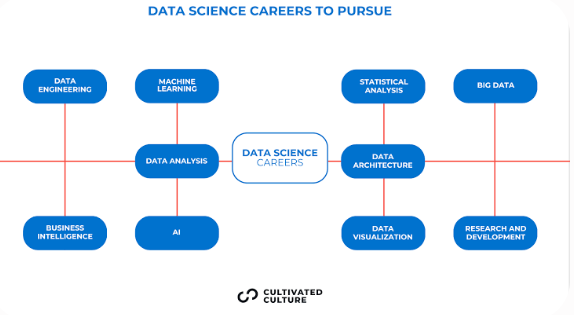
Introduction to Data Science and Its Relevance
Data science has emerged as a pivotal discipline in the modern technology landscape, serving as an essential connector between the vast volumes of raw data generated every day and the actionable insights that drive decision-making. In a world increasingly dominated by technology, the importance of data science cannot be overstated. It leverages statistical techniques, algorithms, and computational tools to extract meaningful patterns and information from data, enabling businesses and organizations to make informed decisions.
The role of data science is multifaceted, encompassing various tasks such as data collection, cleaning, and analysis. This process of transforming raw data into refined, insightful information often involves the use of machine learning, predictive analytics, and big data technologies. Consequently, data scientists are increasingly sought after across various sectors, including healthcare, finance, marketing, and technology, to uncover trends, optimize operations, and improve customer experiences.
Moreover, the relevance of data science extends beyond merely processing information. It plays a critical role in fostering innovation and enabling organizations to remain competitive in an ever-evolving marketplace. For instance, technology companies utilize data science to tailor their products and services to better meet consumer demands, while healthcare organizations leverage it to identify disease trends and improve patient outcomes. Hence, its application is not just limited to operational efficiency; it also encompasses strategic growth and innovation.
As we navigate through this data-driven era, understanding the fundamental principles of data science and its significance is vital for professionals who aspire to thrive in technology-oriented industries. The continuous evolution of data science holds the promise of reshaping how organizations interact with data and respond to challenges presented by the digital age.
Key Skills Required for Data Science Careers
Data science is a multifaceted field that requires a combination of technical and soft skills to thrive. Among the most vital technical skills is programming proficiency. Familiarity with languages such as Python and R is essential, as they are widely used for data manipulation and analysis. These languages not only facilitate the application of complex algorithms but also help scientists access various data science libraries and frameworks, enhancing their analytical capabilities.
Another critical technical skill in the realm of data science is statistical analysis. A firm understanding of statistics allows data scientists to interpret data correctly, identify trends, and derive meaningful insights. Knowledge of various statistical tests and models is crucial for making informed decisions based on data. Additionally, a grounding in machine learning is increasingly valuable, as it equips data scientists to develop predictive models and algorithms capable of automating decision-making processes.
While technical skills form the backbone of a data science career, soft skills are equally important. Communication is paramount, as data scientists must articulate complex findings to stakeholders who may not have a technical background. Effective communication involves not only verbal proficiency but also the ability to create compelling visualizations that make data accessible and understandable.
Moreover, data scientists must possess strong problem-solving skills. The ability to analyze a problem, devise data-driven solutions, and implement effective strategies is crucial in addressing real-world challenges. Likewise, critical thinking enables practitioners to evaluate the integrity of data sources and the relevance of their analytical approaches critically.
In summary, succeeding in the data science arena requires a well-rounded skill set encompassing technical proficiencies in programming, statistical analysis, and machine learning, along with essential soft skills such as problem-solving, communication, and critical thinking. Continuous learning and adaptation to new technologies will also enhance one’s career trajectory in this dynamic industry.
Emerging Trends in Data Science
The field of data science is rapidly evolving, driven by various emerging trends that are reshaping the technology landscape. One of the significant advancements is in artificial intelligence (AI) and machine learning (ML). These technologies are not only automating processes but also enhancing predictive analytics capabilities. Organizations now leverage AI algorithms to analyze complex datasets, enabling them to make data-driven decisions faster and more accurately. As businesses increasingly adopt these technologies, the demand for skilled professionals who can develop, implement, and manage AI and ML solutions is on the rise.
Another crucial trend in data science is the growth of big data analytics. With the proliferation of IoT devices and social media, the amount of data generated is staggering. Advanced analytics tools are now capable of processing vast datasets in real time, providing invaluable insights into consumer behavior and operational efficiencies. This shift emphasizes the importance of data engineers and analysts who can effectively process and interpret this big data, further expanding career opportunities in the sector.
Data visualization is an additional trend gaining traction in the data science sphere. As data becomes more complex, the need for clear and intuitive visual representations has become paramount. Professionals skilled in data visualization are tasked with translating intricate datasets into comprehensible visuals that support strategic planning. The ability to communicate findings effectively is a critical skill for data scientists, making expertise in visualization tools highly sought after.
In summary, the interplay of advancements in AI, machine learning, big data analytics, and data visualization is forging new career paths in data science. As these trends continue to evolve, they will undoubtedly provide extensive opportunities for professionals wishing to excel in this dynamic field.
Industries Actively Hiring Data Science Professionals
The demand for data science professionals is soaring across various industries, each seeking to harness data-driven insights to enhance their operations and decision-making processes. One prominent sector is finance, where companies utilize sophisticated algorithms and predictive analytics to assess risk, improve trading strategies, and detect fraudulent activities. Financial institutions are increasingly relying on data scientists to analyze market trends and engage in portfolio management, leading to a significant rise in job openings in this area.
In the healthcare sector, data science plays a crucial role in patient care and medical research. With the advent of electronic health records, healthcare providers can leverage data analytics to identify patient trends, optimize treatment plans, and improve overall healthcare outcomes. Hospitals and research institutions are hiring data scientists to develop predictive models that streamline operations, reduce costs, and enhance disease prevention strategies.
The technology landscape, particularly tech startups, is another key area where data scientists are in high demand. Startups thrive on innovation and rely heavily on data insights to tailor their products and services to customer needs, conduct market research, and drive growth. As these companies scale, the requirement for data-driven decision-making becomes more critical, leading to a surge in opportunities for skilled data professionals.
E-commerce platforms are also leveraging data science to gain a competitive edge. Companies in this industry utilize data analytics for inventory management, customer segmentation, and personalized marketing campaigns. By understanding consumer behavior through data, e-commerce businesses can refine their merchandising strategies, improve customer experiences, and ultimately boost sales.
Lastly, the manufacturing sector has begun to recognize the value of data science in optimizing production processes and enhancing supply chain management. By analyzing data collected from machinery and operations, manufacturers can predict equipment failures, improve maintenance schedules, and enhance overall efficiency. This trend has led to a growing need for data scientists who can interpret complex data sets and offer actionable insights.
Common Job Roles in Data Science
Data science has emerged as a critical domain in modern technology industries, leading to the creation of various job roles that cater to distinct aspects of the field. Among the most common roles is that of a data analyst. Data analysts are primarily tasked with collecting, processing, and performing statistical analyses on large datasets. They transform data into actionable insights, helping organizations make informed decisions based on trends and patterns.
Another vital role is that of a data engineer. Data engineers focus on the architecture and infrastructure that support data generation and processing. They design, construct, and maintain data pipelines, ensuring that data flows seamlessly for analysis. Their work is crucial for creating robust systems that allow data scientists and analysts to perform their jobs effectively.
The machine learning engineer position has gained significant prominence due to the rise of artificial intelligence and predictive analytics. Machine learning engineers build algorithms that allow computers to learn from data and make predictions. They develop models that improve over time, and their expertise lies in both software engineering and data science principles.
A data scientist is often seen as a more advanced role that combines both analytics and engineering. Data scientists leverage statistical and programming skills to extract valuable insights from data, creating complex models that can predict future outcomes. They also communicate their findings to stakeholders, requiring a balance of technical and soft skills.
In addition to these roles, there are positions such as business intelligence analyst, data architect, and quantitative analyst, each contributing uniquely to the data-driven decision-making process within organizations. These roles underscore the multifaceted nature of data science and its application across various industries, from finance to healthcare.
Educational Pathways for Aspiring Data Scientists
The field of data science is rapidly evolving, leading to an increasing demand for skilled professionals. The educational pathways available to aspiring data scientists are diverse and can cater to different interests and backgrounds. Typically, the most common routes include earning degrees in statistics, computer science, or dedicated data science programs.
A bachelor’s degree in statistics or computer science offers a strong foundational knowledge that is essential for a career in data science. Courses in these programs often cover essential topics such as data analysis, algorithm development, and statistical methods. For those aiming for more advanced opportunities, pursuing a master’s degree in data science can be particularly beneficial. This advanced degree not only deepens one’s knowledge of data management and statistical analysis but also often includes practical experiences through projects and internships.
Aside from traditional degree programs, many individuals opt for online courses and certifications to enhance their skills in a more flexible manner. Numerous reputable institutions and organizations provide online courses that focus on specific data science tools and techniques, such as machine learning, data visualization, and database management. These courses cater to learners at different stages, from beginners to advanced practitioners looking to upgrade their skills.
Furthermore, certifications such as the Certified Analytics Professional (CAP) or Google Data Analytics Certificate can significantly enhance a resume. These certifications are designed to validate an individual’s proficiency in data analysis concepts and tools, making candidates more attractive to potential employers in the competitive technology landscape.
Ultimately, whether through traditional degrees or alternative online learning options, aspiring data scientists have a variety of educational pathways to choose from, enabling them to tailor their learning experiences to best suit their career goals in this dynamic field.
Building a Portfolio to Showcase Data Science Skills
As an aspiring data scientist, creating a robust portfolio is imperative to demonstrate your skills and expertise to potential employers. A well-structured portfolio not only highlights your technical capabilities but also showcases your problem-solving skills and ability to apply data science concepts to real-world scenarios.
One effective way to build your portfolio is by engaging in projects that align with industry standards. Consider working on datasets from websites like Kaggle, UCI Machine Learning Repository, or government datasets, which can provide you with meaningful insights. Such projects can include predictive modeling, data visualization, or natural language processing tasks, all of which will showcase your analytical prowess.
Internships represent another valuable opportunity for emerging data scientists. Securing internships allows you to gain hands-on experience while also providing you with the chance to work on real-life problems. Collaborating with professionals in the field can help refine your skills and may also result in projects that you can add to your portfolio, demonstrating your ability to tackle industry-related challenges.
Additionally, consider contributing to open-source projects on platforms such as GitHub. Participating in these projects allows you to collaborate with other developers and data scientists, thus enhancing your coding skills and understanding of version control. Contributions can include improving algorithms, developing data cleaning scripts, or even creating detailed documentation. Such active engagement can augment your portfolio with collaborative work showcasing both your technical capabilities and your ability to communicate effectively within a team.
In conclusion, a well-rounded portfolio is vital for aspiring data scientists to make a lasting impression on potential employers. By focusing on diverse projects, internships, and open-source contributions, candidates can effectively demonstrate their skills, adaptability, and commitment to the field of data science.
Networking and Professional Development in Data Science
Networking and ongoing professional development are crucial components in establishing a successful career in data science. As technology continues to evolve rapidly, professionals must remain engaged with current trends and practices by connecting with peers and experts in the field.
One of the most effective ways to network is by attending industry conferences. These events provide invaluable opportunities to meet leading data scientists, industry pioneers, and potential employers. Conferences often feature keynote speakers and various workshops, where participants can gain insights into new methodologies and technologies. Additionally, these gatherings foster an environment for exchanging ideas and strategies, creating lasting professional relationships.
Another avenue for networking is joining online forums and professional organizations focused on data science. Platforms such as LinkedIn, GitHub, and specialized data science forums allow individuals to share their expertise, seek advice, and engage with other professionals. Being actively involved in these communities can lead to job referrals, collaborations, and mentorship opportunities.
Participating in workshops is also beneficial. Workshops often cover niche areas within data science, offering hands-on experience with tools and technologies that are essential in the industry. These interactions not only enhance technical skills but also provide a platform for meeting fellow enthusiasts and forming valuable connections.
Furthermore, investing in education and certification can significantly improve one’s standing in the field of data science. Many organizations offer specialized courses that can help professionals further their skills and stay competitive in the job market. Pursuing such educational opportunities shows a commitment to personal and professional growth, which employers highly value.
By prioritizing networking and professional development, data scientists can navigate the complexities of the industry more effectively, leading to enhanced career prospects.
Conclusion: The Future of Data Science Careers
The field of data science is rapidly evolving, becoming increasingly integral to modern technology industries. As businesses continue to embrace digital transformation, the demand for skilled data professionals is expected to rise. This demand is driven by the need for organizations to harness the power of data analytics for informed decision-making, predictive modeling, and enhanced customer experiences.
One of the key insights is that data scientists will not only work with large datasets but will also need to master various tools and technologies to extract and analyze data effectively. Skills in programming languages such as Python and R, as well as proficiency in machine learning and artificial intelligence, are becoming prerequisites for those entering the field. Furthermore, the ability to interpret and communicate data insights clearly will become increasingly important as companies seek to leverage data for strategic advantages.
The future of data science careers appears bright, with opportunities extending beyond traditional sectors. Industries such as healthcare, finance, e-commerce, and entertainment are all investing heavily in data-driven strategies, creating a diverse range of opportunities for data scientists. As new advancements emerge, particularly in automation and cloud computing, the roles may evolve, with professionals needing to adapt and continue learning to stay competitive.
In conclusion, the landscape for data science careers is dynamic and promising. Professionals who keep abreast of technological advancements and enhance their skill sets will find themselves well-positioned in this rapidly growing field. With the increasing focus on data-driven decision-making, the opportunities for data scientists will only continue to expand, marking an exciting era for those passionate about harnessing the power of data.