


Introduction to Distance Learning Systems
Distance learning systems, often referred to as online or remote learning frameworks, represent an educational model that enables the delivery of instruction and educational resources through technological means. This approach allows students to access courses, engage with materials, and interact with instructors from locations outside traditional classroom settings. The evolution of distance learning can be traced back to the early correspondence courses of the 19th century, which utilized mail to distribute learning materials. Over the decades, technological advancements such as radio, television, and the internet have significantly transformed the landscape of distance education.
In recent years, the shift towards digital education has been accelerated by a growing need for flexible learning options, catering to diverse learner demographics. Factors such as geographical barriers, work commitments, and personal responsibilities have made traditional educational models less accessible for many individuals. As a response, institutions have increasingly adopted distance learning systems that offer unprecedented flexibility and convenience. Students can now engage in their educational journeys at their own pace and on their own schedules, leading to greater inclusivity and accessibility.
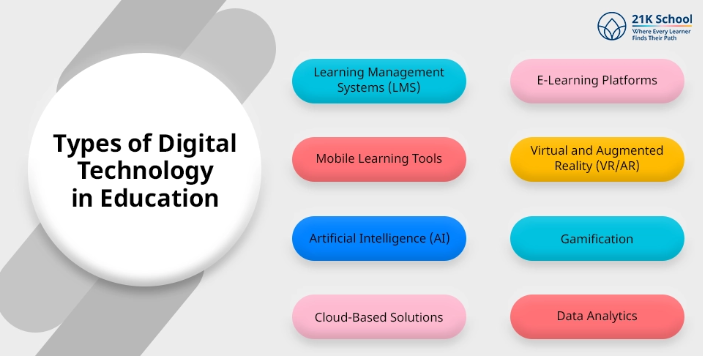
Prominent platforms facilitating remote education include Learning Management Systems (LMS) such as Moodle, Blackboard, and Canvas. These platforms provide a centralized space for course content, assignments, and communication between learners and educators. Additionally, video conferencing tools like Zoom, Microsoft Teams, and Google Meet have emerged as essential components of this educational paradigm, enabling real-time interaction and collaboration. As these technologies continue to evolve, they are expected to further enhance the quality and effectiveness of distance learning systems, catering to the needs of today’s digitally-savvy learners.
The Role of Artificial Intelligence in Education
Artificial intelligence (AI) is increasingly being integrated into distance learning systems, transforming the educational landscape and enhancing learning experiences for both students and educators. One notable application of AI in education is the development of personalized learning environments. These systems analyze individual student performance and learning styles to tailor educational content and recommend resources accordingly. For example, platforms such as DreamBox and Knewton leverage AI algorithms to adjust lessons in real-time, ensuring that students engage with material suited to their unique needs and pace.
Moreover, AI is automating various administrative tasks within educational institutions. Administrative duties often consume a significant amount of time for educators, detracting from their primary focus on teaching. AI tools such as chatbots can handle inquiries regarding course materials, schedules, or general administrative questions, thus freeing up educators to concentrate on enhancing their teaching methodologies. This not only streamlines operations but also increases the efficiency of communication between teachers and students.
In terms of facilitating communication, AI-driven platforms like Google Classroom and Microsoft Teams make collaboration seamless. These tools often feature intelligent assistants that can help schedule meetings, manage assignments, and provide reminders to both teachers and students. Such innovations foster an interactive environment where learners can engage more deeply with the content and one another. AI’s ability to analyze interactions can also provide educators with valuable insights into student engagement levels, allowing for timely interventions when necessary.
Ultimately, the integration of artificial intelligence in distance learning systems is shaping the future of education, allowing for more personalized, efficient, and accessible learning experiences. By harnessing the potential of AI, educators can create an enriched educational landscape that meets the demands of diverse learners.
Virtual and Augmented Reality in Distance Learning
The integration of virtual reality (VR) and augmented reality (AR) into distance learning systems represents a noteworthy trend in educational technology. These innovative technologies provide immersive learning experiences that significantly enrich the traditional educational landscape. By allowing learners to engage with materials in a three-dimensional space, VR and AR foster a deeper understanding of complex subjects, making them particularly advantageous for disciplines such as science, history, and the arts.
In science education, for example, VR can simulate laboratory environments, allowing students to conduct experiments in a safe and controlled setting. Students can visualize molecular structures, observe chemical reactions, or explore ecological systems with a level of interaction previously unachievable in conventional classrooms. This hands-on approach not only enhances student engagement but also strengthens retention and comprehension of scientific concepts.
Similarly, in the realm of history education, AR can bring historical events and figures to life by overlaying digital information onto the real world. Educational platforms can create interactive timelines or 3D reconstructions of significant landmarks, allowing students to explore different time periods and contexts in an engaging manner. This immersive experience helps cultivate a more profound connection with the material, transforming abstract dates and facts into vivid, personal experiences.
Moreover, in the arts, both VR and AR serve as powerful tools for creativity and expression. Artists and students can experiment with virtual canvases, creating artworks that blend physical and digital mediums. This transformation opens new avenues for creative exploration, enabling learners to push the boundaries of their artistic capabilities and express themselves in innovative ways.
Incorporating virtual and augmented reality into distance learning systems, therefore, not only makes education more engaging but also caters to diverse learning styles. By creating interactive and immersive experiences, these technologies are reshaping the educational sphere and expanding the horizons of what is possible in remote learning environments.
Gamification of Learning
Gamification of learning involves the integration of game design elements into educational environments, particularly within online learning platforms. By applying characteristics commonly found in games, such as point scoring, leaderboards, and badges, educational technology can significantly enhance the level of student engagement and motivation. The essence of gamification lies in making the learning process more enjoyable and interactive, thereby encouraging students to participate actively.
One of the primary advantages of incorporating gamified elements into distance learning systems is the ability to boost retention rates. When students feel that they are playing a game rather than simply completing a traditional assignment, their motivation often increases. For instance, quizzes that offer real-time feedback and reward progress can transform mundane assessments into exciting challenges. This not only fosters a sense of achievement but also encourages a competitive yet collaborative spirit among learners.
Another significant aspect of gamification is its potential to personalize the learning experience. By allowing students to choose paths or levels based on their preferences and skills, learners can engage with content that resonates with them individually. This customization can result in deeper understanding and mastery of topics, as students are more likely to explore their interests when they are presented in a game-like format.
Furthermore, gamification can cultivate a community-centric environment, where students can collaborate and share achievements. Platforms that incorporate multiplayer features or team-based challenges create opportunities for peer interaction, leading to improved learning outcomes. The social aspect of gaming can provide essential emotional support and camaraderie among learners, which is particularly valuable in distance education.
The Shift towards Mobile Learning
Mobile learning, often referred to as m-learning, has gained significant traction in the realm of distance education. The proliferation of smartphones and tablets has fundamentally transformed the way educational materials are accessed and consumed. With the ability to connect to the internet, students can engage with courses from virtually anywhere, turning traditional education on its head. This accessibility is a key advantage of mobile learning, as it allows learners to study at their own pace and convenience, fitting their education into their busy schedules.
One of the notable benefits of mobile learning is its capacity to make learning interactive and engaging. Mobile devices can support various formats such as videos, quizzes, and interactive simulations, which can enhance comprehension and retention of information. Moreover, educational apps and platforms have been developed specifically for mobile devices, providing a tailored experience that further aligns with the varied learning styles of students. The flexibility to learn on-the-go is appealing to many, as it can empower users to take control of their educational journeys.
However, the shift towards mobile learning is not without its challenges. While many students have access to smartphones, there is still a significant digital divide, particularly in underserved communities where access to technology and reliable internet connection is limited. Additionally, the smaller screen sizes can hinder the engagement with detailed content, which may impede learning outcomes for some users. Furthermore, the distraction potential of mobile devices can lead to a fragmented learning experience. As educational institutions integrate mobile learning, it is crucial to address these challenges to ensure that m-learning can benefit a diverse range of learners.
Data Analytics in Education
In recent years, the integration of data analytics in education has significantly transformed the landscape of distance learning systems. Educational institutions are increasingly utilizing data analytics to track and assess student performance. By analyzing data collected from various educational technologies, educators can gain valuable insights into individual learners’ progress, strengths, and areas requiring improvement.
The implementation of data analytics allows for a detailed examination of student engagement and outcomes. For example, educators can use learning management systems (LMS) to monitor how often students log in, the resources they access, and their participation rates in discussions or assessments. This real-time data enables educators to identify trends and patterns in student behavior, helping to inform instructional strategies tailored to meet diverse learning needs.
Furthermore, educational analytics can empower teachers to create customized learning experiences. By segmenting students based on their performance metrics, educators can design interventions that are more aligned with each student’s capabilities and learning style. For instance, low-performing students might benefit from additional resources or targeted instructional support, while advanced learners could be offered enrichment opportunities to challenge their skills further.
Additionally, the utilization of predictive analytics can forecast student outcomes, allowing institutions to proactively address potential challenges. For example, identifying students at risk of academic failure can enable timely interventions, potentially enhancing student retention rates and overall educational effectiveness.
In summary, data analytics serves as a powerful tool in distance learning systems by allowing educators to monitor performance and customize the learning experience. By leveraging this data, educational institutions can enhance educational outcomes, ultimately fostering a more responsive and supportive learning environment for all students.
Collaborative Learning Technologies
In the realm of distance learning systems, collaborative learning technologies play a crucial role in facilitating peer interaction and teamwork, which are essential for an enriched educational experience. The importance of collaboration cannot be overstated, as it allows students to engage more deeply with the material, share diverse perspectives, and develop essential skills such as communication and teamwork. Various tools and platforms have emerged to support this type of learning.
One prominent example of collaborative learning technology is online discussion forums. These platforms enable students to participate in asynchronous interactions, where they can post questions, share ideas, and reply to their peers. This continuous exchange of thoughts contributes to a deeper understanding of the subject matter. Moreover, such forums foster a sense of community among students, which is often lacking in traditional distance learning settings.
Another effective tool is social media, which has increasingly integrated into educational contexts. Platforms like Facebook and Twitter allow students to connect, collaborate, and share resources in real-time. For instance, study groups can easily communicate through dedicated private groups, enhancing their collective learning experience. Additionally, projects can be coordinated on these platforms where students can collaborate on shared documents and tasks.
Beyond traditional social media, specialized platforms such as Google Workspace and Microsoft Teams provide functionalities tailored for collaborative learning. These tools support document sharing, real-time edits, and video conferencing features, allowing for productive interactions regardless of geographical barriers. The integration of such technologies in distance learning promotes not only academic achievement but also the development of critical interpersonal skills.
Ultimately, leveraging collaborative learning technologies significantly enhances the learning experience. By fostering peer-to-peer interaction and teamwork, students become more engaged and motivated, which can lead to improved educational outcomes.
Ensuring Accessibility and Inclusivity
As the prevalence of distance learning systems increases, ensuring accessibility and inclusivity becomes paramount. The shift towards online education necessitates that institutions adopt practices which cater to diverse learner needs, particularly for individuals with disabilities. Accessibility in distance learning refers to the design and implementation of learning resources, platforms, and tools that can be utilized by every student, regardless of their physical or cognitive abilities.
To achieve this, educational institutions should integrate universal design principles into their online curricula. This involves creating content that is perceivable, operable, understandable, and robust. For instance, utilizing text-to-speech software and providing captions for videos can significantly enhance the learning experience for students with visual or auditory impairments. Additionally, websites and learning management systems must comply with standards such as the Web Content Accessibility Guidelines (WCAG) to facilitate access for all users.
Moreover, training educators to recognize the importance of accessibility and inclusivity within digital environments is crucial. Faculty should be equipped with the necessary tools and strategies to adapt learning materials and teaching methods to accommodate various learning styles. Implementing flexible assessment methods and alternative formats for assignments can also provide equitable opportunities for all students.
Lastly, institutions should actively solicit feedback from students regarding their experiences with distance learning platforms. Engaging with learners directly can help identify barriers to accessibility and pave the way for enhancements. A commitment to continuous improvement in accessibility not only benefits students with disabilities but also enriches the educational experience for all learners, fostering an inclusive academic community where every individual has the opportunity to thrive.
Future Trends and Predictions
The landscape of distance learning systems is evolving rapidly, driven by advancements in technology and changing educational paradigms. As we look ahead, several trends are poised to shape the future of online education, altering how knowledge is imparted and consumed.
One of the most significant trends is the increasing integration of artificial intelligence (AI) in educational platforms. AI can personalize learning experiences by analyzing student data to provide tailored content, predict learning outcomes, and enhance engagement. For instance, AI-driven chatbots can offer instant support, facilitating a more interactive learner experience. This shift towards personalized education through AI will likely make distance learning more effective and accessible to a diverse range of students.
Another prominent trend is the expansion of immersive learning technologies, such as virtual reality (VR) and augmented reality (AR). These tools can create engaging learning environments that simulate real-world scenarios, promoting experiential learning. For example, medical students may participate in virtual surgeries, while language learners can engage in conversational practice in an AR-enhanced setting. As these technologies become more affordable and widespread, their incorporation into distance learning systems is expected to increase.
Furthermore, the rise of micro-credentials and skills-based education will transform how distance learning is structured. As industries evolve, there is an increasing demand for specialized skills over traditional degrees. Educational institutions may adapt by offering shorter, focused courses that allow students to gain relevant competencies efficiently. This trend will cater to lifelong learners and professionals seeking to upskill or pivot their careers in a rapidly changing job market.
Lastly, we can expect a greater emphasis on social learning, facilitated by collaborative platforms. Distance learning systems will likely promote group projects, peer feedback, and interactive discussions, thereby fostering a sense of community among learners. Such initiatives not only enhance learning outcomes but also address the social aspects often missing in traditional distance education.