


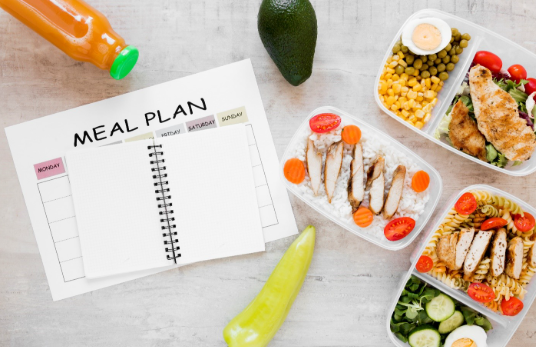
Understanding the Importance of Meal Planning
Meal planning plays a vital role in maintaining family nutrition management, as it serves multiple purposes that collectively promote healthier eating habits. One of the primary benefits of meal planning is achieving nutritional balance. By planning meals ahead of time, families can ensure that they incorporate a variety of food groups, such as fruits, vegetables, whole grains, and lean proteins, into their diets. This diversified approach helps to meet the nutritional needs of all family members, contributing to overall health and wellness.
In addition to fostering better nutrition, meal planning significantly enhances time management. Many families find themselves pressed for time during the week, which often leads to the convenience of fast food or unhealthy snacks as last-minute dinner solutions. By taking the time to plan meals in advance, families can streamline their cooking processes, reduce stress, and save time in grocery shopping and preparation. Having a well-structured plan allows for efficient meal preparation, enabling families to enjoy nourishing home-cooked meals even on busy days.
Moreover, meal planning is an effective strategy for promoting cost-effectiveness within family budgets. Preparing a weekly meal plan enables families to create comprehensive shopping lists, thereby reducing impulse purchases in stores and minimizing food waste. By purchasing only the ingredients needed for planned meals, families can make the most of their grocery budgets while still maintaining a healthy diet. In turn, this financial flexibility allows for the possibility of prioritizing higher-quality ingredients rather than settling for unhealthy alternatives driven by convenience.
Overall, structured meal planning supports families in multiple dimensions—enhancing nutritional balance, maximizing time management, and promoting cost efficiency—thereby fostering a healthier lifestyle and making mindful eating choices more accessible.
Assessing Family Nutritional Needs
Understanding the unique dietary requirements of your family is essential for effective meal planning and overall nutrition management. Each family member’s needs may vary significantly based on several factors, including age, activity level, food preferences, and any existing dietary restrictions or allergies. This thorough assessment allows for the creation of a balanced meal plan that supports everyone’s health.
To begin this evaluation, consider the age of each family member, as nutritional requirements often change throughout different life stages. For instance, infants and toddlers need higher amounts of healthy fats for brain development, while teens require increased energy and nutrients to support their growth. Adults, on the other hand, might focus on balanced portions to maintain energy levels and weight management.
Activity level is another critical consideration. Active individuals, particularly children engaged in sports, may require additional calories and nutrients to fuel their activities and aid in recovery. Conversely, less active family members may need fewer calories to avoid unwanted weight gain. Take the time to analyze the overall lifestyle of each individual, as their physical demands directly influence their nutritional requirements.
Food preferences and dietary restrictions also play a significant role in meal planning. Not only must you account for any allergies or intolerances, but it is also vital to consider each member’s likes and dislikes to ensure meal acceptance and reduce food waste. Engaging family members in discussions about their food preferences fosters a sense of involvement and can enhance adherence to the planned menus.
For personalized planning, consider consulting with a nutritionist or dietitian. These professionals can provide tailored advice and support based on your family’s specific dietary needs, helping you to strike the right balance in meal planning and ensure that nutritional goals are met effectively.
Setting Realistic Goals for Meal Planning
Establishing achievable goals is a pivotal step in effective meal planning for families. Families can start by assessing their current cooking habits, dietary preferences, and available resources, which allows them to identify specific areas for improvement. One common target is to increase the frequency of home-cooked meals. By gradually transitioning from takeout or prepackaged dinners to home-prepared meals, families typically find that they can enjoy healthier options while also saving money.
An essential aspect of setting realistic goals is ensuring they align with the family’s schedule. For instance, a busy family might aim to prepare quick and easy meals during weekdays while reserving weekends for more elaborate recipes. This balance encourages cooking at home without overwhelming family members. Incorporating new recipes is another excellent goal; families can commit to trying at least one new dish per week. This practice not only expands culinary skills but also fosters excitement around mealtime and encourages the exploration of different cuisines.
Moreover, focusing on nutrition is paramount when creating meal planning goals. Families can set objectives such as increasing their intake of fruits and vegetables. One practical approach is to include a variety of colors in each meal, which not only enhances visual appeal but also ensures a range of vitamins and minerals. Additionally, by collaborating with family members in goal-setting, everyone can contribute ideas and preferences, fostering a sense of involvement and accountability in the meal planning process. Ultimately, by setting realistic and attainable goals, families can cultivate a sustainable and nutritious meal planning strategy that addresses their unique needs.
Creating a Weekly Meal Calendar
Establishing a weekly meal calendar is a pivotal step in effective family nutrition management. This process not only promotes healthier eating habits but also simplifies meal preparation. To create a functional and organized meal calendar, begin by listing the days of the week, dedicating space for each meal – breakfast, lunch, dinner, and snacks. It is essential to engage all family members in this planning phase to ensure preferences and dietary restrictions are respected.
Next, balance your meals by incorporating a variety of food groups each day. Aim to include proteins, vegetables, fruits, and whole grains in every meal. For instance, designate specific days for particular protein sources, such as legumes on Monday, fish on Tuesday, and chicken on Wednesday, ensuring nutritional diversity. Rotating meals can also introduce new flavors while keeping the family engaged.
While planning, it is important to consider the family’s schedule. Identify days that will be busiest and simplify those meals. For example, choose quick recipes or leftovers on days filled with activities. Subsequently, allocate more time for meal preparation on weekends or days when there’s a lighter schedule. This allows for nutritious meals without added stress.
Once a draft of the meal calendar is ready, review it to ensure a mix of cuisines and dietary requirements. An important aspect of meal planning is flexibility; feel free to adjust meals as necessary based on grocery availability or sudden changes in family plans. Keeping a shopping list aligned with the meal calendar can also streamline grocery shopping, saving time and reducing food waste.
Smart Grocery Shopping Techniques
Effective grocery shopping is an essential component of healthy meal planning. To align your shopping habits with your family’s nutrition goals, it is vital to implement strategic techniques that facilitate the selection of healthy ingredients while staying within budget.
One of the primary strategies for effective grocery shopping is to create a detailed shopping list before heading to the store. This list should be based on the meal plan you have developed for the week. Categorizing the list by sections of the store, such as produce, dairy, grains, and proteins, can streamline the shopping experience and prevent unnecessary wandering in the aisles, leading to impulse buys.
Sticking to a budget is equally important when shopping for groceries. To manage spending efficiently, allocate a specific amount for each shopping trip. To aid in budgeting, consider using price comparison apps or store loyalty programs that highlight discounts and promotions on gluten-free, organic, or seasonal items. This not only saves money but also encourages the purchase of fresh ingredients that can enhance your meal preparations.
Choosing fresh produce is crucial in ensuring nutritional value within your meal plan. When shopping, prioritize whole foods over processed foods. Look for seasonal fruits and vegetables, which are often more affordable and nutrient-rich. Additionally, inspecting produce for freshness by checking for firmness and assessing color can lead to better meal quality.
To avoid impulse purchases, it is effective to shop when you are not hungry, as this condition can lead to overspending on snacks and unhealthy options. Moreover, adhering strictly to your shopping list can minimize temptation and aid in maintaining your family’s dietary goals. By incorporating these techniques, grocery shopping can effectively support a healthy meal plan and contribute positively to family nutrition management.
Batch Cooking and Meal Prep Techniques
Batch cooking and meal prepping are highly effective strategies for ensuring a nutritious diet for families. These techniques allow individuals to prepare larger quantities of meals in advance, saving time during busy weekdays while promoting healthy eating habits. By dedicating time to batch cooking, families can manage their nutrition more effectively, reduce food waste, and alleviate the stress of daily meal planning.
The process of batch cooking typically involves selecting recipes that can be scaled up, often focusing on items such as soups, stews, casseroles, and grain-based salads. Preparing these dishes in larger quantities allows for versatility throughout the week. For example, a large pot of vegetable soup can be served as a main dish one night, then transformed into a base for a lighter sauce the following evening by adding pasta or grains.
Storage is a vital component of batch cooking. Once meals are prepared, they should be cooled quickly and stored in appropriate containers. Glass containers are ideal for reheating meals in the oven or microwave, whereas plastic containers can be convenient for storing leftovers. Make sure to label and date each container, facilitating quick identification and ensuring the meals are consumed in a safe time frame.
When reheating meals, it is essential to pay attention to preserving the nutrition of the food. To do this, avoid overheating and consider methods such as steaming or gently warming on the stovetop. These techniques help retain the original flavors and nutrients, making meal time both enjoyable and healthful.
Overall, implementing batch cooking and meal prep techniques can significantly improve family nutrition management. These methods provide a solid foundation for reaching dietary goals while simplifying the cooking process.
Getting the Whole Family Involved
Engaging the entire family in meal planning and preparation is essential for fostering healthy eating habits and ensuring nutritional management. When each family member plays a role in the process, it not only enhances their connection to food but also creates a sense of responsibility towards mealtime choices.
To make meal planning a collective activity, one effective strategy is to assign specific tasks based on individual abilities and interests. For example, younger children can help wash vegetables or set the table, while older siblings can take on responsibilities such as chopping ingredients or mixing batter. This division of labor not only makes meal prep more efficient but enables children to feel pride in their contributions to family meals.
Organizing cooking activities can also transform meal preparation into an enjoyable and educational experience. Consider having a weekly ‘family night’ during which everyone comes together to cook a new recipe together. This event can be a fun opportunity to explore different cuisines and encourage discussions about nutritional values, seasonality, and health benefits of various ingredients. Engaging children in these discussions empowers them with knowledge about food and promotes healthier choices.
To further motivate family participation, introducing themes or challenges can make meal prep an exciting venture. For instance, families could try cooking meals using a specific color of fruits and vegetables or challenge themselves to create a dish with ingredients from their garden. Incorporating games related to cooking, such as a timed cook-off, can also increase enthusiasm among younger family members.
Ultimately, nurturing a collaborative approach to meal planning and preparation encourages family bonds while instilling valuable lessons in nutrition management. By making these practices enjoyable and inclusive, families can cultivate a healthier lifestyle together.
Adapting Meal Plans to Seasonal Foods
Incorporating seasonal foods into your meal planning can significantly enhance both nutrition and flavor. Seasonal foods, including fruits and vegetables, are typically more nutrient-dense and flavorful because they are harvested at their peak. This allows families to enjoy fresher, tastier meals while also maximizing the nutritional value of their diet.
To effectively adapt meal plans around seasonal availability, it is essential to familiarize yourself with what is in season in your region. For instance, summer often brings a variety of berries, tomatoes, and peppers, while autumn usually offers a bounty of squash, apples, and root vegetables. Understanding these seasonal cycles can guide your grocery shopping and menu planning, helping you select ingredients that are at their peak of freshness.
Farmers’ markets provide an excellent resource for accessing seasonal produce. Visiting a local market not only supports local agriculture but also encourages the selection of freshly harvested fruits and vegetables. Engaging with farmers and vendors can also provide insights into how to prepare and use unfamiliar seasonal produce. Try incorporating a weekly trip to your local farmers’ market into your routine; it can turn into a fun family activity while ensuring that you’re purchasing a variety of healthy, seasonal foods.
Furthermore, meal planning can be adapted to emphasize seasonal variety. This could involve creating a rotating cycle of recipes that focus on the foods available during each season. For example, in winter, hearty soups and stews featuring root vegetables can dominate your meal plan, while refreshing salads can be prioritized in the warmer months. Overall, aligning your meal plans with seasonal foods not only boosts family nutrition but also enhances the joy of preparing and enjoying meals together.
Evaluating and Adjusting Meal Plans
Regular evaluation of meal plans is essential for maintaining balanced family nutrition. Families often experience shifts in preferences, availability of fresh ingredients, and evolving nutritional guidelines that necessitate adjustments to their dietary strategies. This process of reflection not only fosters a healthier eating environment but also encourages family members to actively participate in their nutrition management.
To begin evaluating a meal plan, consider gathering feedback from all family members about their favorite meals and those that were less well-received. Understanding these preferences can inform necessary changes, ensuring that meal planning remains enjoyable and engaging. Moreover, it can introduce an element of excitement into the kitchen, as families discuss possibilities for new recipes or alterations to existing ones.
Seasonal changes play a significant role in meal planning, as they influence the availability and quality of fresh produce. Incorporating seasonal ingredients not only supports local agriculture but also enhances the flavor and nutritional density of meals. An effective strategy is to periodically review your meal plans and replace items that are out of season with alternatives that are more readily available, thus allowing flexibility in the choice of ingredients.
Additionally, staying informed about updated nutritional guidelines can significantly impact family meal planning. Resources from dietary organizations or consultations with nutritionists can provide valuable insights into healthy eating habits pertinent to specific demographics and dietary needs. Therefore, regular adjustments based on current guidelines will ensure that families are consuming sufficient nutrients to support their well-being.
Ultimately, the key to successful meal planning lies in its dynamic nature. Families should view their meal plans as living documents, regularly refining and adjusting them to suit their preferences, seasonal opportunities, and dietary regulations. This approach not only enhances the experience of family meals but also promotes a sustainable, health-centered lifestyle.