


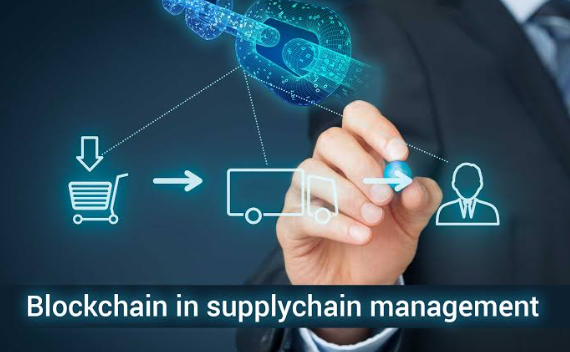
Introduction to Blockchain Technology
Blockchain technology is a revolutionary digital ledger system that facilitates secure and transparent transactions across various sectors. At its core, blockchain comprises a sequence of records or “blocks” linked in a cryptographic chain. This decentralized approach means no single entity has control over the entire network, which fundamentally alters how transactions are verified and recorded.
One of the defining characteristics of blockchain is its decentralization. Traditional databases are centralized, meaning they are controlled by a single organization. In contrast, the blockchain operates on a distributed network where each participant maintains a copy of the entire ledger. This structure promotes resilience against data corruption and reduces the risk of fraud, as alterations must be agreed upon by a consensus of participants.
Transparency is another core feature of blockchain. All transactions are recorded on a public ledger visible to all network participants. This transparency fosters trust, particularly in industries such as supply chain management, where stakeholders can verify the authenticity and provenance of products. Moreover, all entries are immutable, meaning once information is added to the blockchain, it cannot be altered or deleted without consensus. This aspect not only preserves the integrity of the data but also enables a reliable historical record, which is crucial for auditing and compliance purposes.
In the context of supply chain management, blockchain technology holds significant promise. It enables real-time tracking of goods, enhances collaboration among stakeholders, and improves overall efficiency. By leveraging blockchain, businesses can streamline processes, reduce costs, and enhance customer satisfaction. Understanding these fundamental characteristics of blockchain technology provides a solid foundation for exploring its transformative impact on supply chains.
Challenges in Traditional Supply Chain Management
Traditional supply chains are often characterized by a range of challenges that hinder efficiency and transparency. One of the most significant issues is the lack of transparency among different stakeholders. This opacity can lead to misunderstandings and disputes regarding delivery times, stock levels, and product quality. When visibility is limited, it becomes difficult for businesses to track their products throughout the supply chain, resulting in inefficiencies and lost revenue.
In addition to transparency issues, manual errors are prevalent in traditional supply chain processes. With many stages involving human intervention, mistakes can occur frequently, whether through incorrect data entry or miscommunication between parties. Such errors can have cascading effects, disrupting the entire supply chain and creating delays that affect customer satisfaction and operational efficiency.
Moreover, inefficiencies often stem from outdated systems and processes. Many organizations still rely on legacy systems that do not integrate well with modern technology. This incompatibility can result in time-consuming manual work, contributing to longer lead times and increased operational costs. In a highly competitive market, these inefficiencies can severely limit a company’s ability to respond to market changes and consumer demands.
Fraud is another pressing challenge within traditional supply chains. The lack of robust systems to verify the authenticity of products creates opportunities for counterfeit goods and error-prone transactions. Such fraud not only affects revenue but can also damage brand reputation and consumer trust.
Finally, high costs associated with maintaining traditional supply chains further emphasize the need for innovative solutions. Transport, storage, and administrative costs can be exorbitant. As businesses strive for growth, the financial burden imposed by these challenges underscores the urgency for adopting more modern approaches, such as blockchain-based supply chain management, to enhance efficiency and effectiveness.
How Blockchain Improves Supply Chain Transparency
The introduction of blockchain technology in supply chain management has led to a significant advancement in transparency. One of the key features of blockchain is its immutable nature, which ensures that once data is recorded, it cannot be altered or deleted. This characteristic provides an accurate and reliable record of every transaction, fostering trust among all parties involved in the supply chain. From manufacturers to retailers and consumers, each participant can access the same information in real time, enabling them to track products seamlessly.
Real-time tracking is one of the foremost advantages of using blockchain in supply chain operations. With every transaction being recorded on a decentralized ledger, stakeholders can monitor the movement of goods at any stage of the supply chain. This visibility allows for quick identification of issues such as delays or discrepancies, which can be resolved promptly. Moreover, the enhanced audit trails foster greater accountability, as each transaction leaves a permanent record. Businesses can trace the origins of products, confirming their authenticity and ensuring compliance with industry regulations.
Furthermore, improved transparency in supply chains brings benefits not just to businesses but also to consumers. In an era where customers are increasingly conscious of ethical practices and sustainability, blockchain can provide proof of ethical sourcing and production processes. This transparency allows consumers to make informed decisions, strengthening brand loyalty and fostering a more ethical marketplace. Ultimately, the integration of blockchain technology into supply chains paves the way for a more transparent, efficient, and trustworthy ecosystem where businesses and consumers alike can thrive.
Enhancing Traceability Through Blockchain Solutions
In today’s global economy, supply chains are increasingly complex, necessitating more robust tracking methods to ensure transparency and accountability. Blockchain technology significantly enhances traceability within supply chains by providing an immutable ledger where each transaction is recorded and verified. The core feature of blockchain—its decentralized nature—ensures that data is not only accessible but also trustworthy, facilitating a clear view of each product’s journey from origin to destination.
Every transaction associated with a product can be securely logged on a blockchain, including details about its provenance, handling, and storage. This detailed and chronological record allows businesses to track the sources of their raw materials and monitor each step in the production and distribution process. As a result, companies can ascertain the authenticity of their products, thereby reducing the likelihood of counterfeiting and fraud. This feature is particularly critical for industries such as pharmaceuticals and food, where the integrity of the product can directly impact consumer health.
Moreover, the heightened visibility provided by blockchain solutions allows businesses to respond more swiftly to quality issues or recalls. If a defect is identified in a batch of products, companies can trace back to the specific lot involved and inform affected parties almost immediately. This rapid response capability not only protects consumers but also minimizes financial losses for the companies involved. Real-world applications demonstrate these benefits; for instance, Walmart has implemented blockchain to trace the origins of its leafy greens, enabling quick identification and removal of potentially contaminated products from its shelves.
In conclusion, the integration of blockchain technology within supply chains provides enhanced traceability, paving the way for not only improved quality assurance but also increased consumer trust and brand loyalty. As businesses continue to strive for greater transparency, blockchain solutions will remain at the forefront of supply chain management innovations.
Cost Efficiency and Reduced Fraud Risks
The integration of blockchain technology within supply chain management presents transformative financial opportunities for businesses. One of the primary advantages lies in cost efficiency. Traditional supply chains often require multiple intermediaries to authenticate transactions and facilitate processes. This reliance leads to increasing costs associated with managing these intermediaries. In contrast, blockchain streamlines transaction processes by enabling direct peer-to-peer interactions, effectively eliminating the need for intermediaries. This simplification not only reduces transaction costs but also minimizes delays associated with roadblocks that often arise in traditional systems.
Additionally, the decentralized nature of blockchain technology enhances operational efficiency. All participants in the supply chain can access the same real-time information, facilitating prompt decision-making. This transparency ensures that all parties are on the same page, reducing discrepancies and improving the accuracy of data. Enhanced data accuracy not only boosts the overall performance of the supply chain but also lowers operational costs stemming from errors and miscommunications.
Reductions in fraud risks also significantly contribute to cost savings. Blockchain’s robust security measures, including cryptographic hashing and consensus algorithms, make it challenging for malicious actors to alter transactional records. As a result, businesses can trust the integrity of their data, which is vital for maintaining relationships with stakeholders. By minimizing the possibility of fraud, organizations can avert potential financial losses that typically arise from fraudulent activities and errors within the supply chain.
Furthermore, the cost benefits extend beyond immediate savings. The enhanced reliability and security that blockchain offers translate into higher customer trust and satisfaction, which are essential components in fostering long-term business relationships. Overall, transitioning to a blockchain-based supply chain management system can lead to significant financial benefits, including lowered operating costs, improved efficiency, and reduced fraud risks, ultimately contributing to a healthier bottom line for businesses.
Smart Contracts and Their Role in Supply Chains
Smart contracts are self-executing contracts with the terms of the agreement directly written into code. They operate on blockchain technology, allowing them to automate and enforce agreements between parties without the need for intermediaries. This feature is particularly beneficial in supply chain management, where timely execution and transparency are critical.
Within a supply chain context, smart contracts can streamline various processes by automating tasks such as order placements, payments, and compliance with contractual obligations. For instance, when certain predefined conditions are met—such as the delivery of goods—payment can be automatically executed without manual intervention. This not only accelerates transaction times but also reduces the possibility of errors that often accompany traditional contract management.
Another significant advantage of implementing smart contracts in supply chains is their ability to provide real-time transparency and traceability. All parties involved in the supply chain can access the same data, which helps in tracking the status of shipments and ensuring compliance at every stage. This transparency fosters trust among participants, as each entity can verify and validate the information independently.
Moreover, smart contracts facilitate seamless interaction between different supply chain stakeholders, including suppliers, manufacturers, and retailers. By automating agreements and maintaining a shared ledger, disputes can be significantly minimized, and resolutions can be reached more swiftly. This level of efficiency is imperative in today’s fast-paced business environment, where delays can lead to significant losses.
In summary, smart contracts serve as a transformative tool in blockchain-based supply chain management, enhancing the speed, accuracy, and integrity of transactions while eliminating reliance on intermediaries. Their role in automating processes and facilitating real-time interactions makes them invaluable in optimizing supply chain operations.
Real-World Applications of Blockchain in Supply Chain Management
Blockchain technology has garnered significant attention across various industries for its potential to transform supply chain management. Several leading organizations have embraced this innovative system to enhance transparency, traceability, and efficiency within their supply chains.
One prominent example can be found in the food and beverage sector, where Walmart has successfully implemented blockchain technology to improve food safety. By utilizing blockchain, Walmart can trace the origin of food products in real-time. This capability allows the company to rapidly identify sources of contamination during foodborne illness outbreaks, significantly reducing the time needed to respond and ensure consumer safety.
In the pharmaceuticals industry, the application of blockchain is revolutionizing drug supply chains. A notable case is that of Modum, which has developed a solution that combines Internet of Things (IoT) sensors with blockchain technology. This system helps track temperature-sensitive medications throughout their journey, ensuring that they are stored and transported under optimal conditions. By providing real-time data on environmental conditions, stakeholders can maintain compliance with stringent regulations while safeguarding public health.
Another industry making strides with blockchain is retail. Companies like De Beers are utilizing the technology to combat fraud and ensure ethical sourcing of diamonds. By leveraging a blockchain-based system, they can provide transparent data that verifies the provenance of each diamond. This approach not only helps eliminate conflict diamonds from the supply chain but also builds consumer trust in the brand.
These examples illustrate the diverse applications of blockchain technology in supply chain management. Across food and beverage, pharmaceuticals, and retail, companies are harnessing blockchain to address key challenges, foster better collaboration, and achieve greater operational efficiency. As more businesses adopt this technology, it is clearly paving the way for a more transparent and accountable future in supply chain processes.
Future Trends in Blockchain Supply Chain Management
The adoption of blockchain technology in supply chain management is poised for significant evolution in the coming years. As businesses across various industries recognize the potential of blockchain to enhance transparency, accountability, and efficiency, emerging trends are set to redefine traditional supply chain dynamics. One of the most notable advancements is the integration of blockchain with Artificial Intelligence (AI) and the Internet of Things (IoT). This amalgamation enables real-time data analysis and enhances decision-making processes throughout the supply chain.
The convergence of these technologies allows for improved predictive analytics, optimizing inventory management, and facilitating proactive responses to disruptions. For instance, AI algorithms can analyze blockchain data to forecast demand fluctuations, thereby minimizing overstock or stockouts, which can lead to significant cost savings and improved customer satisfaction.
Another trend is the increasing push for sustainability in supply chains. Blockchain’s capacity for tracking and verifying the origin of products can greatly enhance the transparency needed for ethical sourcing. This capability allows consumers to make informed choices and encourages brands to adopt more responsible practices. Furthermore, regulations governing sustainability are becoming stricter, pushing businesses to adopt blockchain solutions that facilitate compliance and reporting.
Moreover, as smart contracts become more prevalent within blockchain environments, the automation of processes can lead to increased efficiency. These self-executing contracts with the agreement terms directly written into code can significantly reduce the time and effort involved in contract management and execution.
As we look toward the future, it is evident that blockchain will play an integral role in reshaping supply chain management. Companies that proactively embrace these trends will likely capture a competitive advantage, establishing themselves as leaders in an evolving market landscape.
Conclusion and Final Thoughts
In conclusion, the integration of blockchain technology within supply chain management represents a significant advancement in how businesses can operate more efficiently. Throughout this discussion, we have explored the transformative potential of blockchain, highlighting its capabilities in enhancing transparency, improving traceability, and optimizing processes within the supply chain.
As organizations increasingly face complexities in their supply chains, leveraging blockchain can provide the necessary solutions to mitigate challenges associated with fraud, inefficiency, and lack of trust among participants. Businesses have witnessed firsthand how this decentralized ledger technology can facilitate real-time tracking of goods, ensuring authenticity and reducing delays. Furthermore, the immutability of blockchain records fosters trust between stakeholders, from suppliers to consumers.
For companies considering a transition to blockchain-based supply chain management, it is imperative to conduct thorough research and strategic planning. Engaging with specialists in blockchain implementation and adhering to industry best practices can significantly enhance the chances of a successful transition. Additionally, starting with pilot projects can help organizations understand the practical aspects of blockchain technology, allowing them to evaluate effectiveness before a full-scale rollout.
Ultimately, embracing blockchain solutions is essential for businesses aiming for sustained growth and operational efficiency in today’s fast-paced market. As companies adapt to these innovative tools, they not only enhance their internal processes but also contribute to a more robust economic landscape. Therefore, it is time for organizations to consider the benefits and opportunities presented by blockchain technology and take proactive steps towards its implementation within their supply chains.