


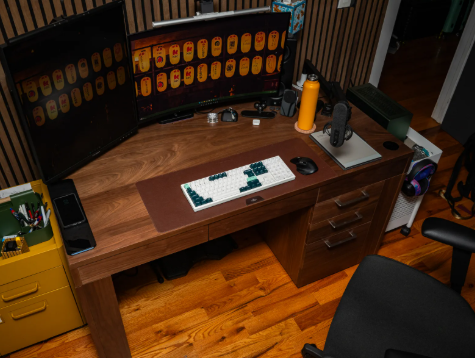
Introduction to Remote Work and Its Challenges
Remote work has gained significant traction in recent years, driven by advancements in technology and a shift in workplace culture. This trend enables employees to perform their duties from home or other locations outside of traditional office environments. While the benefits of remote work include flexibility and a better work-life balance, it also brings forth a unique set of challenges that can impede productivity and focus.
One of the primary challenges remote workers face is the difficulty in creating a work environment that is conducive to concentration and efficiency. The home setting often lacks the structure of an office, which can contribute to distractions such as family members, household chores, and the alluring comfort of personal leisure activities. Furthermore, the absence of a designated workspace can lead to a blurred line between professional responsibilities and personal life, increasing the risk of burnout.
Maintaining productivity in such an environment hinges on several factors, most notably the choice of appropriate furniture. Ergonomic furniture, such as an adjustable desk and a supportive chair, is vital in creating a workspace that promotes physical comfort and encourages sustained focus. Without the proper setup, remote workers may experience discomfort, which can detract from their overall work performance.
Consequently, investing in quality home office furniture serves not only to enhance comfort but also to foster a more organized and efficient work life. By carefully selecting furniture that addresses the specific challenges of remote work, individuals can significantly enhance their productivity and overall job satisfaction. In the following sections, we will explore various home office furniture ideas that can help mitigate these challenges and create an effective remote working environment.
Importance of Ergonomics in Home Office Furniture
In today’s digital age, where remote work has become increasingly prevalent, the significance of ergonomics in home office furniture cannot be overstated. Ergonomic furniture is designed to support the natural posture of the body, thus reducing strain on muscles and joints. By utilizing ergonomically designed desks and chairs, individuals can create a more comfortable workspace that promotes good posture, minimizing the risk of ailments related to prolonged sitting.
One of the primary benefits of ergonomic home office furniture is the enhancement of comfort. Traditional office chairs and desks can lead to discomfort, particularly when used for extended periods. Ergonomic chairs often come with adjustable features that enable users to modify their seating position, offering crucial lumbar support and promoting a neutral spine position. This not only enhances comfort but also reduces the potential for back pain and discomfort that plagues many remote workers.
In addition to comfort, ergonomic designs have been shown to increase productivity. A well-designed workspace can significantly influence focus and efficiency. When employees feel comfortable and supported, they are more likely to maintain concentration on their tasks, which improves overall output. Moreover, ergonomic furniture often encourages movement, as adjustable desks promote alternating between sitting and standing, which can further stimulate productivity.
Lastly, the right ergonomic furniture helps prevent long-term health issues that arise from incorrect posture and inadequate support. Continuous use of non-ergonomic office furniture can lead to chronic conditions such as musculoskeletal disorders, repetitive strain injuries, and tension headaches. By investing in ergonomic solutions, remote workers can safeguard their health while simultaneously creating a productive workspace.
Essential Home Office Furniture for Productivity
Creating a productive home office environment hinges significantly on selecting the right pieces of furniture. Among the essential elements, desks, chairs, and storage solutions play vital roles in enhancing productivity and ensuring comfort during long work hours.
First and foremost, the desk stands as the centerpiece of any home office. It should be spacious enough to accommodate a computer, documents, and other necessary tools without clutter. An adjustable standing desk can be a noteworthy choice, allowing users to alternate between sitting and standing, promoting better posture and reducing fatigue. When choosing a desk, consider one that fits well within your designated space while also catering to your workflow needs.
Equally important is the office chair, which significantly impacts work efficiency and comfort. An ergonomic chair encourages proper posture and minimizes strain on the back and neck, essential for those who spend extended periods at their desks. Look for chairs with adjustable height, lumbar support, and adequate cushioning to ensure comfort throughout the day.
Storage solutions are also key components in maintaining an organized and efficient workspace. Filing cabinets, shelving units, and desk organizers can help keep important documents and supplies within easy reach, thereby enhancing focus and reducing distractions. When selecting storage furniture, opt for items that blend functionality with aesthetic appeal, ensuring that your workspace remains visually appealing and conducive to creativity.
Moreover, consider the overall design and style of each piece to create a cohesive look that reflects your personality. Investing in quality home office furniture not only boosts productivity but also fosters a sense of professionalism, making remote work more enjoyable. By carefully evaluating your furniture needs, you can create a tailored workspace that promotes efficiency and comfort.
Choosing the Right Desk for Your Needs
When setting up a home office, selecting the right desk is crucial for enhancing productivity and ensuring comfort during extended work hours. Various styles of desks cater to different work habits and spatial requirements. Among the popular options are standing desks, L-shaped desks, and compact desks, each offering unique advantages.
A standing desk, for example, allows for adjusting the height, promoting better posture and enabling a more active work environment. This can be particularly beneficial for those who spend long hours in front of the computer and seek to alleviate fatigue associated with prolonged sitting. Conversely, L-shaped desks are ideal for individuals requiring ample surface area to accommodate multiple monitors, paperwork, and additional office equipment. This configuration also offers a defined workspace that is both functional and organized.
For smaller areas, compact desks are important to consider. These desks utilize minimal space effectively, which is vital in apartments or smaller homes. A well-designed compact desk can still provide sufficient surface area for essential tools while maintaining a clean aesthetic.
When choosing a desk, it is essential to consider the desk height. Ergonomic setups typically dictate that the desk surface should align with the elbows when seated, allowing for a natural arm position. Additionally, the surface area needs to align with your work style; whether you need space to jot notes, utilize a laptop, or spread out documents can influence your choice significantly. Also, it is beneficial to match the desk’s style and material with your existing home office decor, ensuring a cohesive and personalized workspace.
The Role of Comfortable Seating in Enhancing Focus
Creating a productive remote work environment necessitates the thoughtful selection of office furniture, and seating plays a pivotal role in this setup. A comfortable office chair is essential not only for physical well-being but also for maintaining mental focus over extended periods of work. When choosing an office chair, the two prominent styles that come into play are ergonomic chairs and task chairs, each serving to enhance comfort in distinct ways.
Ergonomic chairs are designed to provide optimal support to the user’s body. They typically feature adjustable components such as seat height, backrest angle, and armrests, allowing individuals to customize their seating position according to their unique body shape and posture. One of the key aspects of ergonomic chairs is the inclusion of lumbar support, which is crucial for reducing lower back strain, a common issue faced by remote workers. The combination of support and adjustability creates an environment conducive to maintaining focus and minimizing distractions due to discomfort.
On the other hand, task chairs serve as a flexible option suitable for various work scenarios. While they may not offer the extensive support of ergonomic models, they are often lightweight and easy to maneuver. Task chairs usually come with simpler adjustments, ensuring that professionals can shift their positions effortlessly throughout the day. It is essential to consider materials as well—breathable fabrics can increase air circulation, making it more comfortable during warmer months, while padded upholstery may provide additional comfort during longer work sessions.
Ultimately, the selection of the right office chair hinges on personal preferences and work habits. Investing in a comfortable seating option, whether it be an ergonomic chair or a functional task chair, is a critical step toward enhancing focus and productivity in a home office setting.
Storage Solutions to Minimize Clutter
Maintaining an organized workspace is essential for fostering productivity, especially in a remote work setting. Effective storage solutions not only help to minimize clutter but also create an environment more conducive to focus. Various furniture options are available that can assist in organizing work materials and personal items alike.
Cabinets are a fundamental storage solution that can effectively conceal documents, office supplies, and personal items. Selecting cabinets that complement your home office aesthetic, while providing ample shelving and drawer space, can contribute significantly to an organized workspace. Additionally, consider opting for vertical cabinets if floor space is limited; these can hold a substantial amount of items while keeping them out of sight.
Shelving units are another excellent choice for promoting organization. They allow you to display books, binders, and decoratively arranged office supplies in a visually appealing manner. Adjustable shelving can maximize your storage area, enabling you to customize the height based on your needs. Open shelving offers easy access to frequently used items, while closed shelving can store less frequently accessed materials, effectively reducing clutter.
Desk organizers, such as trays, baskets, and containers, can enhance your desktop workspace. These small storage solutions help keep essential items like pens, notepads, and electronic devices within reach without overwhelming your desk. Furthermore, utilizing drawer dividers can prevent chaos in your desk and promote greater efficiency when searching for specific items.
In conclusion, incorporating effective storage solutions such as cabinets, shelving units, and desk organizers can have a transformative impact on your home office. By minimizing clutter, you not only enhance the aesthetic of your workspace but also significantly improve your concentration and overall productivity throughout the workday.
Personalization of Your Home Office Space
Creating a productive home office involves more than just choosing functional furniture and technological aids; personalization plays a crucial role in fostering a conducive work environment. Customizing your space to reflect your personality and preferences can significantly enhance your motivation and creativity while working remotely.
One effective way to personalize your home office is through strategic decor choices. Incorporating items that inspire you—such as artwork, photographs, or motivational quotes—adds a unique touch to your workspace. These visual stimuli not only make the environment more appealing but also serve as reminders of your goals and aspirations. A well-chosen color scheme can also contribute to the overall atmosphere of your home office. Colors like blue and green are known for their calming effects, while brighter shades can energize the space, enhancing your productivity.
Moreover, integrating elements that resonate with your interests can create a more inviting atmosphere. This may include bookshelves filled with your favorite reads, a desk plant to improve air quality, or even personal knick-knacks that invoke positive memories. Every detail counts; even the texture of your workspace can influence your comfort and concentration levels. Choosing a stylish ergonomic chair or a desk made from natural wood can elevate both aesthetics and practical comfort.
Ultimately, the goal of personalizing your home office space is to create an environment that encourages creativity and focus. By layering in your personal touch through decor, colors, and inspirational items, you transform a standard workspace into a reflection of yourself. This approach not only influences your efficiency but also makes the time spent working from home a more enjoyable experience.
Multi-functional Furniture for Small Spaces
As remote work continues to be an integral part of our lives, creating a conducive home office environment has become essential, especially in small living spaces. Multi-functional furniture offers innovative solutions to ensure that limited areas remain both functional and organized. Utilizing pieces that serve multiple purposes enhances not only utility but also aesthetics, making efficient use of available space.
One prominent example of such furniture is the foldable desk. These desks can be easily tucked away when not in use, freeing up valuable floor space. Many modern designs emphasize simplicity and elegance, allowing them to blend seamlessly into the home’s decor. An extendable table can also be a significant asset in a compact workspace, providing the option to expand work surfaces when needed while reverting to a smaller size for everyday use.
Moreover, chairs that double as storage solutions can drastically improve the functionality of your home office. Ottomans or poufs with hidden compartments allow users to keep office supplies and personal items out of sight, promoting a clutter-free environment. This not only enhances productivity but also contributes to a more organized workspace, which is crucial for maintaining focus during work hours.
By integrating multi-functional furniture such as foldable desks, extendable tables, and storage-friendly chairs, individuals can maximize their small office areas. These solutions not only cater to practical needs but also allow for a personalized and aesthetically pleasing workspace. In addition, as the boundaries between living and working spaces continue to blur, investing in versatile furniture becomes imperative for those seeking to maintain productivity in their remote work endeavors.
Conclusion: Creating Your Ideal Home Office
Creating a functional and comfortable home office is paramount for those engaging in remote work. A well-thought-out workspace not only helps enhance productivity but also contributes to overall well-being. Throughout this blog post, we have discussed various home office furniture ideas that promote efficiency and comfort. Key considerations include choosing ergonomic chairs, adjustable desks, and adequate storage solutions that cater to individual needs.
Moreover, it is essential to recognize that the aesthetics of your workspace play a critical role in motivating you during work hours. Incorporating elements such as good lighting, inspiring decor, and personal touches can foster a positive work environment. By understanding your personal working style and preferences, you can select pieces that not only serve functionality but also create an atmosphere conducive to focus and creativity.
Assessing your current workspace setup is crucial. Identify any shortcomings or areas for improvement, whether it be poor lighting, lack of storage, or an uncomfortable chair. Investing in quality furniture designed for remote workers can significantly impact your daily experience. Furthermore, incorporating accessories that enhance organization can streamline workflow and reduce distractions.
In conclusion, the goal is to create an ideal home office tailored to your unique requirements, combining both productivity and comfort. By thoughtfully selecting the right furniture, you can develop a workspace that not only meets your professional demands but also nurtures your personal growth and satisfaction while working from home.