


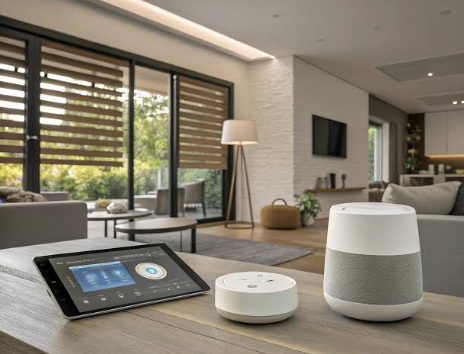
Introduction to Smart Home Technology
Smart home technology refers to a range of devices, appliances, and systems that are interconnected and can be controlled remotely, often via a smartphone or tablet. This innovative technology is designed to enhance the way families live by providing convenience, efficiency, and improved security within the household. With the growing trend towards automation and connectivity, more modern families are embracing smart home solutions that allow for seamless integration into their daily lives.
The core of smart home technology lies in its ability to enable homeowners to control various aspects of their home environment with ease. For instance, smart lighting systems enable users to adjust brightness or color schemes from anywhere in the home. Smart thermostats offer real-time monitoring and adjust heating and cooling settings based on the family’s preferences and occupancy, which can lead to substantial energy savings.
Moreover, enhanced security features are another significant attraction of smart technology. Homeowners can install smart cameras and doorbell systems that provide live streaming video and alerts based on motion detection. This not only offers peace of mind but also empowers families to monitor their property’s security remotely. Furthermore, smart locks allow for keyless entry, enabling easy access for family members while ensuring robust security measures are in place.
As technology continues to evolve, the popularity of smart home devices is anticipated to grow, driven by a desire for a more efficient, connected lifestyle. These innovations not only transform everyday tasks but also create a more secure and comfortable living environment, making smart home technology an increasingly appealing choice for modern families.
Key Innovations in Smart Home Technology
Smart home technology has revolutionized modern living by offering a range of innovations that make daily life more convenient, efficient, and secure. One of the prominent advancements in this domain is the introduction of smart speakers. Devices such as Amazon Echo and Google Nest provide an interactive voice-controlled experience, allowing users to control a multitude of smart home devices, play music, set reminders, and access information seamlessly. These devices act as central hubs, simplifying the management of various household functions.
Another significant innovation in smart technology is the development of smart thermostats. Products like the Nest Learning Thermostat and ecobee both optimize heating and cooling based on user preferences and occupancy patterns. This not only contributes to energy savings but also ensures a comfortable living environment for the family. Users can easily manage their home’s climate remotely via dedicated applications, thus enhancing their overall experience and promoting energy efficiency.
Smart lighting is yet another advancement that not only adds aesthetic value to homes but also presents practicality. With options such as Philips Hue and LIFX, homeowners can adjust brightness levels, change colors, and schedule lighting, all through smartphone applications or voice commands. This innovation allows families to tailor lighting to their needs, whether it’s for a relaxing evening or an active gathering.
Security systems have also benefitted from smart technology innovations. Devices like Ring and Blink provide real-time monitoring through smart cameras, doorbells, and alarm systems, ensuring the safety of a household. The ability to receive instant alerts and view live feeds ensures peace of mind, especially for those with active lifestyles. Moreover, smart appliances, including refrigerators and washing machines, exemplify how technology streamlines daily chores, making them more efficient and integrated with smart home systems.
As these technologies continue to evolve, they represent a commitment to enhancing home life, promoting ease of use, and ensuring security for modern families.
Benefits of Adopting Smart Home Technology
Incorporating smart home technology into modern family living presents a variety of benefits that enhance not only convenience but also overall quality of life. One of the most significant advantages is energy efficiency. Smart devices are designed to optimize energy consumption, resulting in reduced utility bills. For instance, programmable thermostats learn family routines and adjust heating or cooling systems accordingly, ensuring that energy is not wasted when the home is unoccupied.
Cost savings extend beyond just energy expenses. Families utilizing smart appliances often find reduced maintenance costs due to enhanced performance and diagnostics features that preemptively notify users of potential issues. By addressing problems early, families can avoid costly repairs and replacements, further enhancing their budget management.
Enhanced safety is another crucial benefit associated with smart home technology. Security systems equipped with smart cameras and motion sensors allow homeowners to monitor their property remotely, providing an added layer of protection. In addition, smart smoke detectors and carbon monoxide alarms can send real-time alerts to smartphones, ensuring that families are promptly notified of any potential dangers within the home.
Moreover, smart technologies significantly simplify everyday tasks, particularly for busy families juggling work, school, and social commitments. Voice-activated assistants can control various devices—such as lights, thermostats, and entertainment systems—through simple commands, reducing the time spent managing household chores. Additionally, smart kitchen appliances enable seamless cooking experiences, where tasks such as meal preparation and grocery management are handled more efficiently.
Overall, adopting smart home technology equips families with tools that save time, ensure safety, and promote energy efficiency, creating a harmonious living environment conducive to modern lifestyles.
Smart Home Technology for Family Safety
In an increasingly connected world, smart home technology has emerged as a vital component in enhancing family safety. With advancements in surveillance systems, smart locks, and alarm systems, households can now benefit from innovative solutions designed to provide peace of mind and protect against potential threats.
Surveillance cameras, particularly those equipped with built-in motion detection and real-time alerts, play a significant role in monitoring the home environment. Families can easily access live feeds through their smartphones, allowing them to keep an eye on their property from anywhere. This capability is especially valuable for parents who need to ensure the safety of their children while at home or while away. Many modern cameras also offer features such as night vision and two-way audio, which further enhance their usability and effectiveness.
Another key element of smart home safety is the implementation of smart locks. Unlike traditional locks, these intelligent alternatives can be controlled remotely, enabling homeowners to grant access to guests or delivery personnel without being present. Additionally, many smart locks feature auto-lock functions and provide notifications whenever someone enters or exits the home, allowing families to remain informed about their home’s security status at all times.
Alarm systems, often integrated with other smart devices, are also crucial for safeguarding households. These systems can detect unauthorized entries and promptly alert homeowners via their smartphones. Some alarm devices can be programmed to send alerts to local authorities, ensuring that assistance is dispatched immediately when needed. Moreover, the integration of smart smoke and carbon monoxide detectors enhances home safety by sending alerts if dangerous conditions are detected, potentially saving lives in the event of an emergency.
In conclusion, smart home technology significantly enhances family safety by providing reliable surveillance, secure entry options, and comprehensive alarm solutions. As families increasingly embrace these innovations, the overall security of their homes improves, thereby contributing to a safer and more comfortable living environment.
Integrating Smart Home Devices: Challenges and Solutions
The integration of smart home devices offers myriad benefits for modern families, allowing for enhanced convenience, security, and energy efficiency. However, several challenges can arise during the integration process, primarily concerning compatibility issues and privacy concerns.
One significant challenge families face is the compatibility of various smart devices. Not all products work seamlessly with each other, especially when integrating devices from different manufacturers. This can create an inefficiency that undermines the convenience of a smart home. To mitigate this problem, families should prioritize purchasing devices that adhere to common standards, such as Zigbee or Z-Wave, which are designed to ensure interoperability. Additionally, conducting thorough research by consulting compatibility charts and consumer reviews can help families choose devices that will work harmoniously together.
Privacy concerns also pose a significant hurdle for families embracing smart home technology. The collection of data by smart devices can lead to potential vulnerabilities if not managed properly. To address these concerns, it is crucial to have a clear understanding of how data is collected and used by each device. Families should prioritize buying products from reputable manufacturers that prioritize user privacy. Implementing strong security measures, such as creating robust passwords for device accounts and regularly updating software, will also contribute to safeguarding personal information.
Creating a cohesive and secure smart home environment may seem daunting, yet these challenges can be effectively addressed through informed decision-making and diligent management. Engaging with online communities or seeking advice from tech professionals can further empower families to navigate the intricacies of smart home device integration. With the right approach, families can unlock the full potential of their smart home, ensuring both functionality and security.
The Role of Voice Assistants in Modern Homes
In contemporary households, voice assistants such as Amazon Alexa, Google Assistant, and Apple Siri play a pivotal role in harmonizing smart home devices and enhancing day-to-day living. These intelligent voice-enabled systems act as central hubs, enabling users to easily control lighting, heating, security cameras, and a plethora of smart appliances through simple verbal commands. This integration not only fosters convenience but also promotes the concept of a fully connected smart home.
One of the most significant advantages of utilizing voice assistants is their ability to streamline family routines. For instance, parents can program their devices to announce reminders for school schedules, meal times, or even bedtime with minimal effort. This feature fosters an efficient management system for households, allowing the family to stay organized and up to date with their daily activities. Additionally, voice assistants can help to facilitate tasks such as setting timers for cooking, checking the weather, or managing calendars, all crucial elements in modern family life.
Accessibility is another area where voice assistants have made notable strides. For individuals with mobility issues or other disabilities, voice-controlled technology offers an essential service, allowing them to interact with their environment without the need for physical movement. By employing voice-activated commands, users can control their smart home devices, ensuring that they can live independently and comfortably. This capability significantly empowers individuals and contributes to a more inclusive environment within modern living spaces.
Incorporating voice assistants into a smart home ecosystem not only enhances convenience and accessibility but also encourages a more connected lifestyle, where technology seamlessly integrates with everyday living.
Future Trends in Smart Home Innovations
As we move further into the 21st century, the landscape of smart home technology is rapidly evolving, driven by advancements in artificial intelligence (AI), machine learning, and the Internet of Things (IoT). These innovations are not only reshaping how we interact with our living spaces but also promising to enhance the overall quality of life for families. One key trend is the increasing integration of AI in home automation systems, enabling devices to learn from user behavior and preferences. This personalization can lead to optimized energy usage, enhanced security measures, and improved comfort within the home environment.
Moreover, as IoT networks expand, homes are becoming interconnected ecosystems where devices communicate seamlessly with one another. This interconnectedness will facilitate more sophisticated smart home capabilities, such as predictive maintenance for appliances or centralized control of lighting, heating, and security systems using a single platform. For instance, smart thermostats can learn a family’s schedule and adjust temperatures automatically, significantly improving energy efficiency.
In addition to AI and IoT, advancements in voice recognition technology continue to transform the way families interact with their smart homes. Natural language processing allows for more intuitive commands and opens the door for families to manage their home environments effortlessly. Seamless voice integration with digital assistants will likely enhance accessibility for all family members, including children and older adults.
Another notable trend is the rise of eco-friendly smart home solutions. As environmental consciousness grows, families are more inclined to adopt sustainable technologies such as smart meters and energy-efficient appliances. These technologies not only reduce the carbon footprint but also result in substantial cost savings over time.
In conclusion, the future of smart home technology is poised to be shaped by innovations in AI, IoT, and eco-friendly solutions, creating a more efficient, secure, and sustainable living space for modern families.
Case Studies of Smart Home Technology Integration
In recent years, numerous families have adopted smart home technology, showcasing its ability to enhance daily living through convenience, security, and energy efficiency. This section highlights several real-life case studies that illustrate how different households have successfully integrated smart technologies into their environments, demonstrating the practical benefits these innovations provide.
The Johnson family, for example, has transformed their traditional home into a connected ecosystem. With the installation of smart thermostats, they have managed to reduce their energy bills by up to 30%. The intelligent temperature control learns the family’s schedule and adjusts heating and cooling accordingly. This not only enhances comfort but also minimizes waste, making a substantial impact on their monthly expenses.
Similarly, the Martinez family prioritized security when incorporating smart home applications. They installed a comprehensive surveillance system featuring smart cameras that send real-time alerts to their smartphones. This technology has significantly improved their peace of mind, enabling them to monitor their home from anywhere. Their experience demonstrates how smart home technology can fortify safety and deter potential intrusions.
Another compelling case is that of the Patel family, who embraced smart kitchen gadgets. By incorporating devices like smart ovens and refrigerators, they have optimized meal preparation and food management. The smart refrigerator tracks inventory and suggests recipes based on available ingredients, reducing food waste and simplifying grocery shopping. This seamless integration of the smart kitchen not only streamlines daily cooking tasks but also contributes to more health-conscious eating habits.
These case studies exemplify a growing trend among families leveraging smart home technologies to improve their quality of life. Whether for energy savings, enhanced security, or more efficient daily routines, the benefits are evident and impactful, paving the way for a more connected and comfortable living environment.
Conclusion: Making the Smart Move for Family Living
As families navigate the evolving landscape of daily life, integrating smart home technology emerges as a prudent decision. The innovations discussed in this post highlight the significant benefits that intelligent systems can bring to modern family living. From enhancing security and efficiency to promoting convenience and comfort, smart home devices make it easier than ever to manage a household effectively.
Smart technology, such as automated lighting systems, climate controls, and advanced security features, allows families to save time and energy, ultimately leading to a more sustainable lifestyle. Families can monitor and control their energy usage, ensuring that they contribute to environmental conservation while also reducing utility costs. The peace of mind provided by smart security systems also allows parents to focus on nurturing their family, knowing their home is protected at all times.
Furthermore, the adaptability of smart home technologies ensures they can evolve alongside growing families. These innovations allow for scalability, meaning that as needs change—such as welcoming a new baby or having older children who require more independence—families can integrate new devices to meet those demands easily. Families not only enjoy the immediate advantages of increased convenience and safety but also invest in future resilience through these technologies.
In embracing smart home technology, families are not just adopting gadgets; they are making a strategic choice to enhance their quality of life. The integration of these systems creates a more connected, efficient, and family-friendly environment that can adapt to life’s challenges. The decision to implement intelligent home solutions today will undoubtedly yield lasting benefits for families in the years to come.