


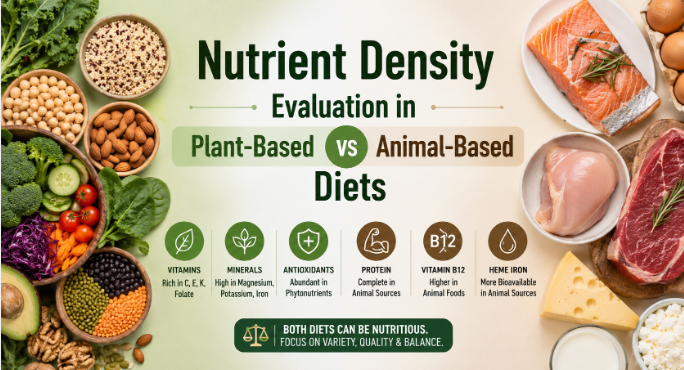
Introduction to Nutrient Density
Nutrient density is a crucial concept in the examination of diets, particularly when assessing the health benefits of both plant-based and animal-based eating patterns. In essence, nutrient density refers to the ratio of the nutrients provided by a food relative to its energy content. Foods that are considered nutrient-dense supply a significant amount of vitamins, minerals, and other beneficial compounds while containing relatively low calories. This concept emphasizes the importance of choosing foods not just based on caloric count but on their nutritional content.
The significance of nutrient density extends beyond weight management; it plays a vital role in overall health and well-being. A diet rich in nutrient-dense foods can help to prevent chronic diseases, support vital bodily functions, and promote optimal health outcomes. By prioritizing foods that deliver a higher nutrient quotient per calorie, individuals can enhance their dietary patterns and maximize their nutrition. For this reason, both plant-based and animal-based diets can be evaluated through the lens of nutrient density.
Plant-based diets, which focus primarily on whole grains, legumes, fruits, vegetables, nuts, and seeds, often exhibit high nutrient density due to their abundance of vitamins, minerals, fiber, and phytonutrients. Conversely, some animal-based foods, particularly those rich in lean proteins and healthy fats, may also offer significant nutrient density but can vary widely based on food choices. Therefore, understanding nutrient density is indispensable for informed dietary choices that align with personal health objectives and nutritional needs. As we delve deeper into the evaluations of different diets, recognizing how nutrient density influences health is paramount.
Understanding Plant-Based Diets
A plant-based diet primarily emphasizes foods derived from plants, which include not only fruits and vegetables but also nuts, seeds, oils, whole grains, legumes, and beans. This dietary pattern may vary in strictness, ranging from those who consume a predominately vegan diet, excluding all animal products, to those who might include small amounts of fish or dairy in their diets for nutritional balance.
One of the defining features of plant-based diets is their rich composition of essential vitamins and minerals. For instance, leafy greens, such as spinach and kale, are well-known for their high levels of Vitamin K, Vitamin A, and several B vitamins, while legumes are excellent sources of protein, fiber, and other nutritional components such as iron and magnesium. Whole grains, including quinoa, brown rice, and barley, contribute valuable nutrients such as complex carbohydrates, vitamins, and additional fiber, which aids in digestion and promotes overall gut health.
Moreover, the variety of phytonutrients found in plant foods plays a significant role in their health benefits. Phytonutrients, such as flavonoids, carotenoids, and glucosinolates, are compounds that give plants their color and smell, while also offering antioxidant properties that can enhance health. These nutrients have been linked to various health benefits, including reduced inflammation, improved heart health, and a lower risk of chronic diseases, which align with the principles of nutrient density.
Incorporating a wide range of plant-based foods ensures a balanced intake of essential nutrients. This approach encourages the consumption of seasonal vegetables, fruits, nuts, and grains, promoting not only dietary diversity but also enhancing the overall nutritional quality of meals. Thus, individuals can maintain their energy levels while reaping the health advantages associated with a nutrient-dense, plant-rich regimen.
Understanding Animal-Based Diets
Animal-based diets primarily consist of foods that are derived from animals, including meat, poultry, fish, dairy products, and eggs. These food sources are rich in specific nutrients that are often less prevalent in plant-based diets. Understanding the nutrient profiles of animal-based foods is essential for evaluating their role in overall nutrition.
One of the most significant benefits of incorporating animal products is the high-quality protein they provide. Proteins from animal sources contain all nine essential amino acids required for effective bodily function, making them a complete protein source. This is crucial not only for muscle repair and growth but also for the production of hormones and enzymes.
Animal-based diets are also a primary source of vitamin B12, which is essential for nerve function and the formation of red blood cells. While plant-based diets may contain certain fortified foods, vitamin B12 is naturally found in significant amounts only in animal-derived foods. The absence of this nutrient in a plant-exclusive diet could lead to deficiencies if not carefully monitored.
Iron, another critical nutrient, is more bioavailable in animal products than in plant sources. Heme iron, which is found in red meat, poultry, and fish, is absorbed more efficiently by the body compared to non-heme iron from plant foods. This increased absorption makes animal-based diets particularly beneficial for individuals at risk of iron deficiency.
Additionally, fatty fish and certain meats are rich in omega-3 fatty acids, which play a vital role in brain health, reducing inflammation, and supporting cardiovascular function. These essential fats are more readily available in animal products than in most plant sources, which often rely on different types of fatty acids.
Comparative Nutrient Profiles of Plant vs. Animal Foods
When evaluating the nutrient profiles of plant-based versus animal-based diets, one finds significant distinctions in their vitamin and mineral content, along with variances in macronutrients such as fats, proteins, and overall caloric intake. These differences play a critical role in determining nutrient adequacy and the overall health benefits associated with each dietary approach.
Animal foods are typically higher in protein and contain all essential amino acids, making them a complete protein source. Additionally, they are rich in vital nutrients such as Vitamin B12, heme iron, and omega-3 fatty acids, which are often less available in plant sources. For instance, a serving of beef can provide significantly higher amounts of iron compared to lentils, due to the heme iron present in animal products, which is more readily absorbed by the body.
On the other hand, plant-based foods are renowned for their dietary fiber content, antioxidants, and a wide array of phytonutrients. Foods such as fruits, vegetables, legumes, nuts, and seeds offer abundant vitamins like Vitamin C and folate, as well as minerals such as potassium and magnesium. The fiber present in plant foods contributes to improved digestive health and can aid in reducing the risk of chronic diseases. For example, whole grains and legumes provide complex carbohydrates, which are essential for sustained energy.
While both dietary patterns can meet nutritional requirements, studies highlight the need for careful planning in plant-based diets to ensure adequate intake of nutrients that might be lower, such as Vitamin B12 and omega-3s. Conversely, excessive consumption of animal-based foods may lead to higher saturated fat and cholesterol levels, impacting cardiovascular health. Thus, a balanced approach that incorporates a variety of foods from both categories can optimize nutrient density and overall health benefits.
Health Implications of Nutrient Density in Diets
Nutrient density refers to the amount of essential nutrients a food provides relative to its energy content. Both plant-based and animal-based diets present distinct health implications associated with nutrient density, impacting long-term health outcomes such as cardiovascular disease, diabetes, and obesity. Understanding these implications is vital for making informed dietary choices that promote overall health.
Research has shown that diets rich in nutrient-dense foods can reduce the risk of chronic diseases. For instance, a well-planned plant-based diet, abundant in fruits, vegetables, whole grains, and legumes, tends to be lower in unhealthy fats and calories, offering a high level of vitamins, minerals, and antioxidants. These nutrient-dense options can aid in weight management and may lower the risk of developing conditions like obesity and heart disease. Furthermore, plant-based diets are often associated with lower levels of saturated fat and cholesterol, contributing to improved cardiovascular health.
Conversely, nutrient density in animal-based diets can also play a significant role in health. Lean meats, poultry, fish, eggs, and dairy products can provide high-quality protein, essential vitamins, and minerals such as vitamin B12 and iron, which are crucial for energy metabolism and the immune system. However, diets too high in red or processed meats can lead to adverse health effects, such as increased cardiovascular disease risk and certain types of cancer. Therefore, the balance and quality of animal products consumed are essential considerations.
Ultimately, the health implications of nutrient density depend on individual dietary choices and lifestyles. While both plant-based and animal-based diets can offer substantial health benefits when focused on nutrient-dense foods, the way these diets are implemented requires careful consideration to maximize health outcomes and minimize the risk of chronic diseases.
The Role of Nutrient Density in Weight Management
Nutrient density is crucial in the context of weight management, influencing how effectively a diet can support healthy body weight and overall wellness. Defined as the concentration of essential nutrients in relation to the number of calories, nutrient-dense foods serve a significant purpose in reflecting dietary quality. This concept is particularly relevant when evaluating both plant-based and animal-based diets, each offering distinct foods with varying levels of nutrient density.
Foods that are high in nutrient density, such as fruits, vegetables, whole grains, and lean proteins, tend to provide essential vitamins, minerals, and fibers while being lower in calories. This characteristic encourages satiety, helping individuals feel fuller for longer periods and potentially reducing overall calorie intake. By choosing nutrient-dense options, individuals can satisfy their hunger without consuming excessive amounts of calories, which is beneficial for weight management.
Conversely, a diet predominantly composed of low-nutrient foods, such as highly processed items, can lead to poor satiety and increased calorie consumption. When individuals consume foods that lack essential nutrients, they may experience hunger more frequently, prompting them to eat more throughout the day. Therefore, a focus on nutrient density can influence behaviors around eating, ultimately impacting successful weight management.
For those following a plant-based diet, incorporating a variety of nutrient-dense foods can ensure adequate nutrient intake without excessive caloric consumption. Similarly, individuals who include animal-based foods within their diets must also prioritize nutrient-dense choices, such as lean meats, low-fat dairy, and eggs, which can support their weight management goals. In essence, understanding and implementing the principles of nutrient density are pivotal in developing effective dietary strategies for maintaining a healthy body weight.
Environmental and Ethical Considerations
When evaluating nutrient density in both plant-based and animal-based diets, it is imperative to also consider the surrounding environmental and ethical implications that accompany these dietary choices. The sustainability of food systems is a pivotal aspect, with plant-based diets often touted for their lower environmental footprint. Research indicates that livestock farming is a major contributor to greenhouse gas emissions, water use, and land degradation. In contrast, plant agriculture typically requires less land and produces fewer emissions, although it is essential to assess specific practices within both sectors to gauge their true sustainability.
Biodiversity is another critical factor when examining dietary impacts. Intensive animal farming practices frequently result in habitat destruction, leading to a decline in species diversity. A shift toward more plant-centric diets can promote biodiversity, as it can enhance soil health and ecosystem resilience. Furthermore, some agricultural methods, like organic farming and agroecology, not only mitigate environmental harm but also potentially yield nutrient-dense produce, underscoring the importance of responsible farming practices irrespective of dietary preference.
Ethical considerations are invariably intertwined with these environmental discussions. The welfare of farm animals is a significant concern in contemporary debates about dietary choices. Many advocates of plant-based diets argue that it is more ethical to refrain from consuming animal products, given the often harsh conditions in which livestock is raised. On the other hand, proponents of sustainable animal farming practices suggest that ethically raised animals can contribute positively to nutrient density while ensuring humane treatment. Thus, the ethical landscape is complex, necessitating careful consideration of both plant and animal food sources.
Ultimately, the choice of diet involves weighing these environmental and ethical concerns alongside nutrient density. Stakeholders in food production must consider sustainable practices and ethical treatment, fostering a food system that is both environmentally sound and conducive to human health.
Myths and Misconceptions about Plant-Based and Animal-Based Diets
There exists a plethora of myths and misconceptions surrounding the nutrient density of plant-based and animal-based diets. One common myth is that animal-based diets are inherently superior when it comes to nutrient density. Proponents of this view often cite the presence of complete proteins and essential fatty acids found in animal products. However, recent studies suggest that a well-planned plant-based diet can also provide all necessary nutrients, with the right combination of legumes, grains, nuts, and seeds. Furthermore, many plant-based foods are rich in vitamins, minerals, and antioxidants that may not be as abundant in certain animal products.
Another prevalent misconception is that plant-based diets lack sufficient protein. While it is true that animal products are protein-dense, numerous plant foods are also excellent protein sources. Foods such as lentils, chickpeas, quinoa, and hemp seeds can provide ample protein, often accompanied by beneficial fiber and other essential nutrients. The key lies in understanding how to combine these sources to achieve a complete amino acid profile, which is crucial for maintaining overall health.
Moreover, there is a belief that all fats from animal products are unhealthy, while fats from plant sources are invariably beneficial. This simplification overlooks the complexity of dietary fats. While it is essential to limit saturated fat intake, certain animal-derived fats, like those found in fish, are rich in omega-3 fatty acids which are vital for brain health. Conversely, not all plant fats are created equal; sources like avocados and olive oil contain heart-healthy monounsaturated fats, but others, such as certain oils high in omega-6, may lead to inflammation when consumed excessively.
In light of these misconceptions, it is crucial for individuals considering their dietary choices to understand the broader context regarding nutrient density in both plant-based and animal-based diets. Knowledge and informed decisions can empower individuals to adopt a balanced approach tailored to their nutritional needs and personal preferences.
Conclusion and Recommendations
In evaluating the nutrient density of plant-based versus animal-based diets, it is evident that both have unique advantages and potential drawbacks. Animal-based diets tend to provide high-quality protein and essential nutrients such as vitamin B12, iron, and omega-3 fatty acids, which are vital for various bodily functions. However, the high saturated fat content and cholesterol levels in some animal products may raise health concerns for certain individuals.
On the other hand, plant-based diets are rich in dietary fiber, vitamins, minerals, and antioxidants. They promote heart health and may reduce the risk of chronic diseases. Nevertheless, those relying solely on plant-based sources might need to pay close attention to obtaining sufficient levels of certain nutrients such as protein, vitamin B12, iron, iodine, and omega-3 fatty acids, which are often more abundant in animal products.
Therefore, individuals contemplating their dietary choices should strive for a balanced approach that maximizes nutrient density. This includes incorporating a variety of foods from both plant and animal sources. For instance, individuals can enhance their diets by consuming legumes, nuts, seeds, and whole grains alongside lean meats, fish, and dairy. Additionally, those adhering strictly to a plant-based diet should consider fortified foods or supplements to prevent nutrient deficiencies.
Ultimately, fostering an understanding of one’s personal nutritional needs and preferences can guide individuals toward making informed dietary choices that promote optimal health. Consulting with a healthcare provider or a registered dietitian can provide tailored advice, ensuring that one’s diet not only satisfies taste and cultural preferences but also meets nutritional requirements effectively.