


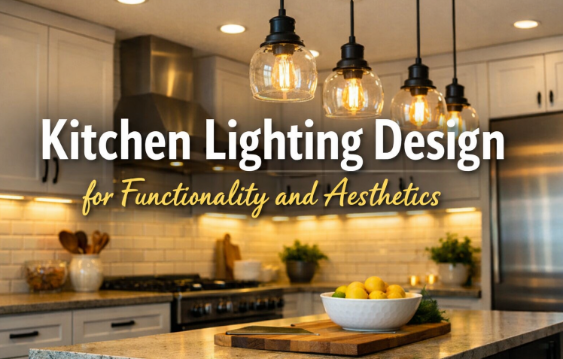
Introduction to Kitchen Lighting
Kitchen lighting plays a crucial role in both functionality and aesthetic appeal, serving as an essential component in the overall design of this vital space. Effective lighting illuminates work areas, ensuring safe and efficient cooking, while also enhancing the kitchen’s ambiance and visual interest. A well-lit kitchen not only facilitates daily tasks such as food preparation and cleaning but also remains a welcoming environment for family and guests.
In terms of functionality, proper kitchen lighting ensures that every corner is adequately lit, which is vital for preventing accidents and improving productivity. Task lighting, for instance, directs bright light onto specific areas where detailed work is performed, such as counters and stoves. On the other hand, ambient lighting fills the room with a softer glow, creating a comfortable atmosphere. It is essential to strike an appropriate balance between these different types of lighting to achieve a functional yet inviting kitchen space.
Moreover, from an aesthetic standpoint, kitchen lighting can significantly transform the space’s overall appearance. A well-designed lighting scheme highlights architectural features, enhances color schemes, and can showcase beautiful fixtures such as pendant lights or chandeliers. Incorporating layers of lighting, including accent lighting, can further elevate the design, allowing homeowners to create visual interest and a dynamic atmosphere. Therefore, thoughtful consideration of kitchen lighting design is paramount to achieving both functionality and beauty.
Understanding Different Types of Kitchen Lighting
When it comes to kitchen lighting design, understanding the different types of lighting is crucial for achieving both functionality and aesthetics. The three primary categories of kitchen lighting are ambient, task, and accent lighting. Each of these lighting types serves a distinct purpose and, when effectively combined, they create a cohesive and well-lit environment.
Firstly, ambient lighting provides the overall illumination required in the kitchen. This type of lighting is generally soft, diffused, and broadly distributed, ensuring that every corner of the room is sufficiently illuminated. Common examples of ambient lighting include ceiling-mounted fixtures, chandeliers, and recessed lights. These fixtures not only brighten the space but can also serve as a decorative element, enhancing the kitchen’s overall style.
Secondly, we have task lighting, which is intended to focus on specific areas where activities such as cooking and food preparation take place. This type of lighting is usually brighter than ambient lighting and aims to eliminate shadows that might hinder tasks at hand. Examples of task lighting include under-cabinet lights, pendant lights over kitchen islands, and bright light-directed lamps. Implementing adequate task lighting is essential for ensuring safety and efficiency while working in the kitchen.
Finally, accent lighting adds an additional layer of depth and interest to the kitchen space. It highlights particular features such as artwork, cabinets, or architectural details. Accent lights are typically more decorative and can include wall sconces, track lighting, or even LED strip lights. This type of lighting not only contributes to the kitchen’s functionality but also allows homeowners to showcase their design preferences and aesthetic choices.
Incorporating these three types of lighting harmoniously can transform a kitchen into a welcoming and efficient space, enhancing both its functionality and visual appeal.
Achieving Functionality Through Lighting Design
A well-considered lighting design is crucial in a kitchen to enhance both its functionality and aesthetic appeal. When executing kitchen lighting design, the strategic positioning of light fixtures is essential for achieving optimal task lighting. Task areas such as countertops, islands, and dining spaces require bright and directed light, making the selection of the right fixtures paramount. Under-cabinet lighting, for example, is an effective way to illuminate work surfaces, reducing shadows and allowing for precise cutting and meal preparation.
Furthermore, ceiling-mounted fixtures should not only complement the overall kitchen style but also provide ample general lighting. A combination of ambient, task, and accent lighting ensures that all aspects of the kitchen are properly illuminated. For cooking and meal prep, bright light is vital. It not only helps in seeing colors and selecting fresh ingredients but also enhances safety by allowing for better visibility, thus reducing the risk of accidents.
When selecting specific types of fixtures, consider the intensity and color temperature of the bulbs used. Opt for LED lights that provide a bright, clean light similar to daylight, as these are energy-efficient and long-lasting. Dimmable options can also be beneficial, allowing flexibility in changing light levels based on the task at hand or the time of day. Pendant lights over islands and dining areas can add a decorative touch while providing focused lighting where it is needed most.
Ultimately, the key to achieving functionality in kitchen lighting design lies in a thoughtful combination of various lighting types, ensuring that every task area is well-lit, safe, and inviting. By focusing on the specific needs of the kitchen environment, homeowners can create a space that is both practical and visually appealing.
The Role of Aesthetic Appeal in Kitchen Lighting
Lighting plays a pivotal role in determining the overall aesthetics of a kitchen. Beyond its primary function of providing illumination, thoughtful kitchen lighting can enhance style, create ambiance, and highlight architectural elements. Properly selected fixtures can serve as striking focal points, contributing significantly to the kitchen’s design narrative.
The design of light fixtures is crucial; they can be a harmonious blend of form and function. A well-chosen pendant light over an island or elegant chandeliers can introduce character and elevate visual interest, transforming a functional space into a personalized culinary retreat. When selecting lighting, consider the existing decor style of your kitchen. For instance, vintage-inspired fixtures may complement a farmhouse kitchen, while sleek, modern options can enhance contemporary designs. The lighting must align with overall design aesthetics to create a unified look.
Color temperature is another essential aspect of kitchen lighting aesthetics. Warmer tones, typically around 2700K to 3000K, impart a cozy, welcoming feel, while cooler tones, above 4000K, provide a vibrant, energized ambiance. It is imperative to select a color temperature that not only meets the visual needs of the kitchen tasks but also aligns with the desired atmosphere. For instance, using daylight bulbs can enhance food presentation and ensure tasks are performed with precision.
Moreover, incorporating dimmers into your lighting design can provide versatility, allowing you to adjust brightness levels according to the time of day or activity. This functionality plays a dual role: maintaining a vibrant atmosphere during food preparation and creating a serene environment for intimate gatherings. In essence, the interplay of fixture design, color temperature, and adjustable lighting elevates both the functionality and aesthetics of the kitchen.
Choosing the Right Fixtures and Fittings
Selecting the appropriate lighting fixtures and fittings for your kitchen involves a balance between functionality and aesthetics. The kitchen is a space where tasks such as cooking, cleaning, and food preparation take place, making it essential to choose fixtures that provide adequate light while contributing to the overall design of the room. When determining the right fixtures, consider factors such as the kitchen’s layout, color scheme, and existing decor.
One popular category of kitchen lighting fixtures is pendant lights. These lights hang from the ceiling and can be installed above kitchen islands or dining areas, providing targeted illumination and an opportunity to make a style statement. When choosing pendant lights, consider the shape, size, and material. For example, glass or metal finishes may complement modern or industrial kitchens, while more rustic materials can enhance a traditional aesthetic.
In addition to pendant lights, recessed lighting is another versatile option that can create a clean, unobtrusive look. These fixtures are installed within the ceiling and provide a broad range of illumination without taking up valuable physical space. Ensure the recessed lights are evenly spaced to minimize shadows, accommodating different tasks that may occur in the kitchen.
Light fixtures also vary in materials and finishes. Metals such as brushed nickel, brass, or black iron can all contribute to different visual themes; warm, matte finishes can evoke coziness, while polished surfaces promote a sense of modernity. Furthermore, incorporating dimmer switches can increase the versatility of your lighting, allowing for adjustments based on time of day or mood.
Ultimately, the right lighting fixtures and fittings should enhance the kitchen atmosphere, while ensuring that the space remains functional and efficient. A carefully curated selection will harmonize with existing decor, blending practicality with stylish design.
Layering Lighting for a Balanced Approach
Effective kitchen lighting design hinges on the principle of layering. Layered lighting involves combining various types of lighting sources to achieve both functionality and aesthetic appeal. In a kitchen, where tasks such as cooking, cleaning, and socializing occur, it is essential to create a versatile environment through thoughtful illumination.
There are three primary types of lighting to consider: ambient, task, and accent lighting. Ambient lighting serves as the base layer, providing overall illumination to the entire space. This can be achieved through ceiling-mounted fixtures, chandeliers, or recessed lighting. The next layer is task lighting, which focuses on specific work areas—such as countertops, sinks, and stovetops—ensuring adequate brightness for food preparation and cooking. Under-cabinet lights or pendant lights above islands are excellent examples of task lighting.
Finally, accent lighting adds depth and visual interest to the space. This type of lighting is typically used to highlight architectural features, artwork, or decorative elements. Consider integrating fixtures such as wall sconces or glass-front cabinets illuminated from within to create a striking effect. When layering these different lighting types, it is vital to maintain balance. Ensuring that no one layer overwhelms the others is crucial for creating a cohesive look that can seamlessly transition from day to night.
During the day, natural light can be leveraged to enhance the layers, keeping spaces bright and inviting. As evening approaches, adjusting the intensity and color temperature of your lighting can transform the atmosphere to a warmer, more intimate setting. Utilizing dimmers and smart controls can further refine the mood, allowing for personalized adjustments at any time. By effectively layering your kitchen lights, you can create a space that is both functional and aesthetically pleasing, catering to diverse activities throughout the day.
Energy Efficiency in Kitchen Lighting
In today’s world, the integration of energy-efficient lighting solutions in kitchen design has gained paramount importance. Opting for energy-efficient lighting not only reduces the overall energy consumption but also contributes to long-term cost savings and a more sustainable environment. One of the most effective options for energy-efficient lighting is the use of LED bulbs. Unlike traditional incandescent bulbs, LED lights consume significantly less electricity, providing the same, if not better, level of brightness while having a longer lifespan. This longevity reduces the frequency of replacements, thus minimizing waste and further supporting sustainable practices.
In addition to LEDs, smart lighting solutions present an innovative approach to enhancing energy efficiency in the kitchen. Smart lighting systems allow homeowners to control their lighting remotely through mobile applications or voice-activated devices. These systems can be programmed to turn off lights when they are not needed, set schedules to align with daily routines, and even adjust brightness levels according to the time of day. Such features not only promote energy conservation but also ensure that the kitchen remains well-lit when required.
Moreover, the shift towards energy-efficient options also aligns with the increasing demand for sustainable living. Many consumers are now considering the environmental impact of their choices, leading to a preference for products that reflect their values. By choosing energy-efficient lighting, homeowners can contribute to reduced carbon footprints and align their kitchen designs with eco-friendly initiatives. Overall, investing in energy-efficient kitchen lighting is a strategic decision that yields significant benefits in both sustainability and financial savings, ultimately enhancing the functionality and aesthetic appeal of the kitchen space.
Common Mistakes to Avoid in Kitchen Lighting Design
Kitchen lighting design is crucial not only for functionality but also for enhancing the overall aesthetic of the space. However, many homeowners often encounter common pitfalls when strategizing their lighting setups. One frequent mistake is underestimating the required brightness for various tasks within the kitchen. Adequate illumination is essential for cooking, food preparation, and cleaning—tasks that require focused lighting to ensure efficiency and safety. It is important to assess the lux levels needed in the kitchen for different activities and choose light fixtures accordingly. A well-lit kitchen reduces the risk of accidents and increases productivity.
Another common oversight is neglecting task lighting. While ambient lighting sets the mood for the kitchen, it lacks the directional quality needed for specific tasks. Installing additional fixtures such as under-cabinet lights, pendant lights over work areas, or even focused LED strips over countertops can significantly enhance visibility in these areas. By ensuring that task lighting is integrated effectively, homeowners can create a more functional kitchen environment.
Poor placement of fixtures is yet another mistake that can undermine the design of kitchen lighting. Fixtures that are too far apart may leave shadows and dark spots, whereas those placed too close can lead to harsh lighting. Thoughtful consideration of fixture locations—such as centering a fixture over an island or evenly distributing recessed lights—helps avoid uneven lighting. Implementing a layered lighting approach, combining ambient, task, and accent lighting, can also help in preventing these common mistakes. In conclusion, by avoiding these missteps, homeowners can ensure that their kitchen lighting is both practical and aesthetically pleasing, enhancing the overall experience of this essential space.
Conclusion and Final Tips for Kitchen Lighting
In summary, effective kitchen lighting design is a vital component that balances functionality and aesthetics, transforming the kitchen into a space that is not only practical but also inviting. Throughout this blog post, we explored different facets of kitchen lighting, including the importance of layered lighting, the roles of ambient, task, and accent lighting, and how they can enhance the overall atmosphere of the kitchen environment.
When selecting fixtures, consider factors such as the size and style of your kitchen, as well as the specific tasks that will be performed in the space. Implementing adjustable lighting solutions can provide flexibility, allowing homeowners to create different moods for various activities, whether it is prepping meals, dining, or entertaining guests. Also, the choice of light color temperature can significantly affect the visual comfort and perceived warmth of the kitchen.
Another aspect to bear in mind is energy efficiency; opting for LED fixtures not only reduces electricity consumption but also extends the lifespan of your lighting equipment. As you contemplate your kitchen lighting options, try to envision how different lighting sources work together to create a cohesive design. Don’t shy away from experimenting with innovative designs, such as pendant lighting or under-cabinet lighting, which can add both character and practicability to your kitchen.
In closing, the key to successful kitchen lighting lies in a thoughtful combination of functionality and style. Allow your culinary space to reflect your personality, while also catering to its practical requirements. By embracing creativity and being informed about your choices, you can achieve a kitchen atmosphere that serves both form and function beautifully.