

Understanding Period Cramps
Period cramps, clinically known as dysmenorrhea, are a common concern for many individuals experiencing menstruation. These cramps arise primarily due to physiological changes in the body associated with the menstrual cycle. During menstruation, the body experiences fluctuations in hormone levels, particularly prostaglandins, which are chemicals that aid in regulating the contraction and relaxation of the uterine muscles.
The process begins when the uterus contracts to help shed its lining, which can lead to increased pressure and pain in the pelvic area. This muscle contraction is integral to the menstrual cycle but can often be more intense in certain individuals due to higher levels of prostaglandins, which are responsible for stimulating uterine activity. As a result, those with elevated prostaglandin levels may experience more severe cramps and pain during their periods.
Additionally, individual susceptibility to pain plays a significant role in the experience of menstrual cramps. Factors such as age, medical history, and underlying conditions, including endometriosis or fibroids, can contribute to the severity of dysmenorrhea. Women who are younger or those with menstrual cycles that are longer or heavier may also be more prone to experience intense cramping.
Understanding the physiological reasons behind period cramps is essential in recognizing that these pains are not just a normal part of menstruation but can vary in intensity based on hormonal activity and individual pain thresholds. Armed with this knowledge, individuals can better assess the efficacy of various pain relief methods at home, allowing for more informed decisions regarding their menstrual health.
Common Symptoms of Period Cramps
Period cramps, medically known as dysmenorrhea, are often accompanied by a range of symptoms that can greatly affect an individual’s quality of life during their menstrual cycle. The primary symptom associated with this condition is pain, typically occurring in the lower abdomen. This pain can manifest as a dull ache that occasionally intensifies into sharp, stabbing sensations. It may also radiate to the lower back and thighs, further contributing to discomfort.
In addition to abdominal pain, many individuals experience bloating, which can lead to a feeling of fullness or pressure in the stomach area. This bloating is often caused by hormonal changes that occur during the menstrual cycle, and it can exacerbate the discomfort experienced during this time.
Fatigue is another common symptom associated with period cramps. The hormonal fluctuations that trigger uterine contractions can also lead to feelings of tiredness and lethargy. Women may find they have less energy than usual, making it challenging to engage in daily activities or exercise.
Mood swings are yet another manifestation of period cramps that can significantly impact emotional well-being. Hormonal changes can lead to irritability, anxiety, or even depressive symptoms. This emotional fluctuation can be particularly distressing, as individuals may feel overwhelmed by their feelings during this time.
It is important to note that the severity and type of symptoms can vary widely from person to person. Factors such as age, overall health, and lifestyle can influence how an individual experiences period cramps and their associated symptoms. Understanding these symptoms can help in identifying effective self-care strategies to alleviate discomfort.
Lifestyle Changes to Alleviate Pain
Menstrual cramps, often referred to as dysmenorrhea, can significantly impact the quality of life for many women. Adopting specific lifestyle changes can provide substantial relief from period pain. One of the most effective strategies is to maintain a balanced diet rich in whole foods, including fruits, vegetables, whole grains, and lean proteins. Foods high in omega-3 fatty acids, such as salmon and walnuts, can help reduce inflammation and alleviate cramping. It is also advisable to limit the intake of refined sugars, excessive caffeine, and fatty foods, as these can exacerbate menstrual symptoms.
Regular exercise should also be integrated into one’s routine. Physical activity helps release endorphins, which are natural pain relievers. Engaging in moderate exercises such as walking, yoga, or swimming during menstruation can improve blood flow and decrease muscle tension, thus relieving cramping. Consistent exercise throughout the month contributes to overall hormonal balance, which can further reduce menstrual discomfort.
Moreover, adequate sleep and proper sleep hygiene are crucial for hormonal health. Aim for 7-9 hours of quality sleep each night. Establishing a regular sleep schedule, creating a restful environment, and minimizing screen time before bed can enhance sleep quality. Sleep deprivation may worsen the pain perception during menstruation, so prioritizing restful sleep is vital.
Lastly, stress management techniques such as meditation, deep breathing exercises, and mindfulness can contribute to pain relief. Chronic stress can lead to hormonal imbalances that may intensify menstrual cramps. Incorporating relaxation practices into everyday life not only helps in reducing stress but also promotes a healthier lifestyle overall, thereby mitigating menstrual pain.
Home Remedies for Instant Relief
Menstrual cramps, often referred to as dysmenorrhea, can be a distressing part of the menstrual cycle for many women. However, several home remedies can provide quick relief from this discomfort. Here are some effective strategies that can be easily implemented at home.
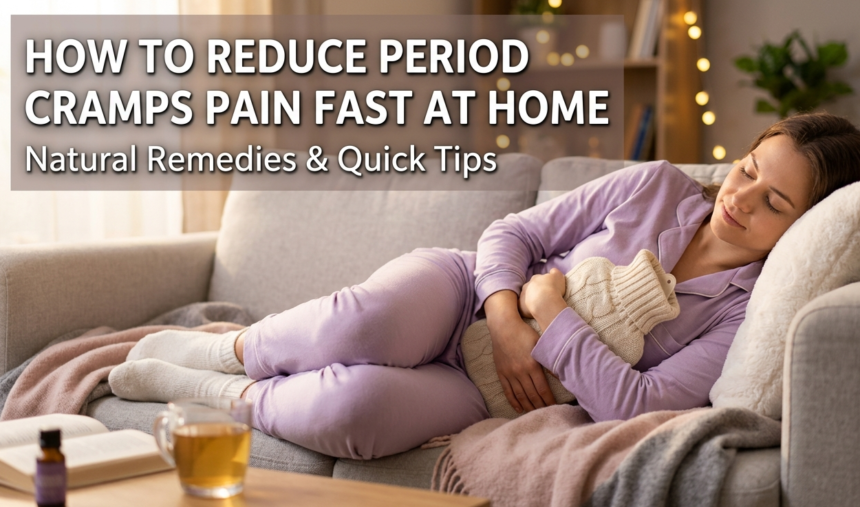
Heat Application: One of the simplest and most effective methods for alleviating period pain is through the application of heat. A hot water bottle or heating pad can be placed on the lower abdomen for 15-20 minutes, which helps relax the muscles and improve blood flow. The warmth can provide soothing relief and reduce cramping sensations.
Herbal Teas: Consuming herbal teas can also offer relief. Teas made from ginger, chamomile, or peppermint have anti-inflammatory properties that help ease menstrual cramps. Ginger tea, in particular, can reduce prostaglandin production in the body, thereby lessening pain. Drinking these teas warm can enhance their soothing effects.
Acupuncture: This traditional Chinese medicine technique involves inserting thin needles into specific points on the body. Numerous studies have shown that acupuncture can reduce the severity of menstrual cramps. Besides providing instant relaxation, it may help restore balance to the body’s energy flow, leading to decreased pain.
Essential Oils: Utilizing essential oils, such as lavender or clary sage, can also be effective for pain relief. These oils can be diluted with a carrier oil and massaged onto the abdomen to relieve cramping. Alternatively, adding a few drops to a warm bath can promote relaxation and reduce discomfort.
Incorporating these home remedies into your routine can help manage period cramps effectively, providing quick relief and enhancing comfort during menstruation.
Over-the-Counter Medications
Menstrual cramps, or dysmenorrhea, can be particularly uncomfortable, making over-the-counter (OTC) medications a viable option for rapid relief. Several types of OTC medications are effective in alleviating the pain associated with menstrual cramps. The most commonly recommended classes include non-steroidal anti-inflammatory drugs (NSAIDs) and acetaminophen.
NSAIDs, such as ibuprofen and naproxen, are often the first line of treatment. They work by reducing inflammation and blocking the production of prostaglandins, compounds that contribute to uterine contractions and pain. For effective results, ibuprofen is typically taken at a dosage of 400 to 600 mg every six to eight hours, while naproxen can be taken at a dose of 250 to 500 mg every twelve hours. Side effects may include gastrointestinal discomfort, dizziness, or allergic reactions, so individuals should adhere to recommended dosages and consult a healthcare professional if necessary.
Acetaminophen, another popular OTC medication, is helpful for mild to moderate pain relief. These tablets can be taken at a typical dosage of 500 to 1000 mg every four to six hours, but it is important not to exceed 3000 mg in a 24-hour period to avoid potential liver damage. While acetaminophen is generally considered safer than NSAIDs, especially for individuals with gastrointestinal issues or specific health conditions, it does not address inflammation directly.
In addition to these options, other OTC products such as combination medications, which may include caffeine or other active ingredients, are available. These can provide targeted relief but should be used with caution. Overall, knowing the types of over-the-counter medications available for menstrual cramps and understanding their dosages and potential side effects can greatly assist in managing discomfort effectively.
When to Seek Medical Attention
While many individuals experience menstrual cramps as a routine aspect of their menstrual cycle, there are circumstances that necessitate consulting a healthcare professional. Understanding these signs is crucial for ensuring that any underlying health issues are addressed promptly.
One of the primary indicators that professional medical advice is needed is the intensity of the pain. If menstrual cramps are unusually severe and do not improve with over-the-counter pain relievers or home remedies, it may suggest a more serious condition, such as endometriosis or uterine fibroids. Similarly, if the pain is debilitating enough to interfere with daily activities, it warrants further evaluation.
Changes in menstrual patterns are another warning sign. For instance, if individuals notice irregular periods, excessive bleeding, or significant changes in the duration of their menstrual cycle, these alterations should be discussed with a healthcare provider. Such symptoms may indicate hormonal imbalances or other reproductive health issues that require attention.
In addition to pain and changes in menstrual patterns, accompanying symptoms like nausea, vomiting, fever, or dizziness should not be overlooked. These symptoms may signal a more serious problem, including infections or pelvic inflammatory disease. If these issues arise, it is essential to seek medical assistance rather than assuming they are merely part of the menstrual experience.
Ultimately, understanding when to seek medical attention for menstrual pain is vital. Monitoring one’s symptoms and being aware of significant changes can empower individuals to take charge of their reproductive health, ensuring that any necessary interventions are pursued timely.
Preventive Measures for Future Cycles
To effectively minimize the severity of period cramps in future menstrual cycles, it is essential to adopt a combination of lifestyle changes and dietary adjustments. Regular exercise plays a pivotal role in alleviating menstrual pain. Physical activity helps improve circulation and reduces the likelihood of intense cramping. Engaging in aerobic exercises, yoga, or even a simple walking routine can promote endorphin production, which naturally alleviates pain.
In addition to exercise, dietary modifications can significantly impact menstrual health. Consuming a balanced diet rich in anti-inflammatory foods may help reduce the intensity of cramps. Integrating omega-3 fatty acids, found in fish such as salmon and in flaxseeds, can decrease inflammation and enhance overall well-being. Moreover, increasing the intake of fruits, vegetables, and whole grains can provide essential nutrients that support reproductive health while also regulating hormonal fluctuation.
Hydration is another crucial factor to consider. Drinking plenty of water throughout the month can assist in reducing bloating and discomfort during your cycle. Additionally, moderating caffeine and sugar intake may alleviate some of the exacerbating symptoms associated with cramps. Substitute caffeinated beverages with herbal teas, which often have soothing properties that can provide comfort.
Furthermore, some women may find relief through the use of specific supplements. Incorporating magnesium, vitamin B1, and vitamin E into one’s supplement regimen may help ease menstrual pain. These vitamins and minerals have been studied for their role in supporting muscle function and reducing cramping. However, consulting with a healthcare professional before beginning any supplementation is advisable to ensure safety and efficacy.
Mind-Body Techniques for Pain Management
Managing period cramps can be challenging, but incorporating mind-body techniques can significantly alleviate discomfort. Practices such as yoga, meditation, and mindfulness play a crucial role in not only reducing pain but also enhancing emotional well-being during menstrual cycles.
Yoga, with its focus on breath control and gentle movements, promotes relaxation and helps ease muscle tension. Specific yoga poses, such as Child’s Pose and Cat-Cow, can effectively relieve lower abdominal discomfort and improve blood flow to the pelvic region. Regular practice not only manages immediate pain but also strengthens the body and prepares it for future cycles, making it a valuable tool in pain management.
Meditation is another powerful technique to consider. Engaging in mindfulness meditation allows individuals to focus on the present moment, which can reduce anxiety and stress associated with menstrual pain. By learning to observe and accept sensations without judgment, one can cultivate a sense of calmness that helps in managing the pain more effectively. Even a few minutes of breathing exercises or guided visualization can have profound effects, particularly if practiced consistently.
Incorporating mindfulness into daily life can also facilitate greater awareness of the body’s signals and foster emotional resilience. Activities that center on being present, such as journaling or spending time in nature, can help distract from pain while promoting a healthier mental state. By addressing both the physical and emotional aspects of pain, these techniques provide holistic relief, emphasizing the mind-body connection that is essential for effective pain management.
Utilizing these mind-body techniques can be particularly beneficial for those looking to find natural and effective ways to cope with menstrual cramps at home. By integrating these practices into a regular routine, individuals can enhance their overall quality of life during their menstrual cycles.
Conclusion: Finding What Works for You
Experiencing period cramps can be a challenging and uncomfortable aspect of menstruation, but various effective remedies exist to alleviate this pain. Throughout this blog post, we discussed several methods ranging from natural home remedies to dietary adjustments and exercise. By experimenting with techniques such as applying heat, utilizing over-the-counter pain relievers, or incorporating herbal teas into your routine, we encourage you to identify which strategies resonate best with your body.
Self-care practices play a crucial role in managing menstrual discomfort. Listening to your body is a fundamental part of this process. Engaging in gentle exercises or practicing relaxation techniques like yoga or meditation might significantly enhance your overall comfort. Moreover, ensuring proper hydration and maintaining a balanced diet with the right nutrients can also have a positive impact on your menstrual experience.
It is important to remember that every individual experiences period cramps uniquely. What works effectively for one person may not yield the same results for another. Thus, it is essential to adopt a personalized approach to managing your symptoms. Keeping a journal to track your symptoms, remedies, and their effectiveness can also be beneficial in determining what works best for you.
Ultimately, finding the right combination of methods may take time and experimentation, but prioritizing your well-being and comfort is paramount. By taking proactive steps and being attentive to your body’s signals, you can better navigate the discomfort associated with menstrual cramps and enhance your overall quality of life.