

Introduction to Meal Prep
Meal prepping, a practice that involves preparing meals in advance, has gained significant popularity in recent years. This approach encourages the creation of balanced meals that align with individual dietary goals, ultimately enhancing nutritional intake. By dedicating time at the start of the week to plan and cook, individuals can save precious time during busy weekdays, making it easier to adhere to healthy eating habits.
One of the primary advantages of meal prepping is the reduction of decision fatigue. When meals are already prepared and stored, the temptation to resort to unhealthy convenience foods diminishes. This foresight in planning contributes to healthier choices, reinforcing one’s commitment to a nutritious diet.
Contrary to common misconceptions, meal prepping does not necessitate cooking every single meal of the week. Rather, it allows individuals to prepare larger batches of certain dishes that can be portioned and consumed throughout the week. This flexibility ensures a varied diet while minimizing kitchen time. Furthermore, some may think that meal prep is only suitable for seasoned cooks, yet even beginners can successfully engage in the practice by starting with simple recipes and gradually honing their skills.
For beginners, meal prepping can serve as a stepping stone towards mastering kitchen efficiency and promoting mindful eating. It equips individuals with the knowledge to select healthier ingredients, encourages cooking at home, and contributes to overall well-being. In the following sections, we will delve deeper into practical meal prep ideas that cater to a range of dietary preferences and lifestyles.
Benefits of Meal Prep
Meal preparation has gained popularity among individuals looking to adopt healthier eating habits and streamline their culinary routines. One of the fundamental benefits of meal prep is improved nutrition. By planning and preparing meals in advance, individuals have greater control over the ingredients used, allowing for more balanced meals that include essential nutrients, fruits, vegetables, and whole grains. This proactive approach minimizes the likelihood of impulse eating or resorting to unhealthy convenience foods.
Another notable advantage is cost savings. Purchasing ingredients in bulk for meal prep can significantly reduce overall grocery expenses. When individuals plan their meals for the week, they can utilize leftovers efficiently, minimizing the frequency of grocery trips and cutting down on unnecessary purchases. Moreover, meal prep reduces food waste, as it encourages users to use all the ingredients they buy—thereby promoting sustainability and responsible consumption.
Meal prep is also instrumental in helping individuals stay on track with their dietary goals. Whether one is trying to lose weight, build muscle, or maintain a specific dietary regimen, having meals ready to go supports these objectives effectively. It eliminates the stress of last-minute meal decisions or the temptation to opt for unhealthy fast food options when hunger strikes. By dedicating time to meal prep, individuals build a dietary routine that aligns with their health goals.
In summary, the numerous benefits of meal preparation—from enhanced nutrition to cost savings and reduced food waste—make it a valuable practice for those aspiring to improve their diet and lifestyle. Through careful planning and organization, meal prep serves as an effective strategy to meet personal dietary ambitions while fostering healthier eating habits.
Essential Meal Prep Tools
To embark on a successful meal prep journey, having the appropriate tools and equipment is imperative. Meal prepping not only saves time during busy weekdays but also promotes healthier eating habits. Here are essential meal prep tools that beginners can incorporate into their culinary routine.
First and foremost, quality storage containers are a must. Look for containers that are both microwave and dishwasher safe, as this versatility will facilitate reheating and cleaning. Glass containers are particularly favored due to their ability to withstand temperature changes, making them safe for both refrigeration and oven use. Additionally, choose containers in various sizes to accommodate different meal portions, ensuring versatility in your meal prep.
Another important set of tools includes kitchen gadgets designed to streamline the preparation process. A good chef’s knife is essential for chopping ingredients efficiently, while a cutting board provides a safe and stable surface for food preparation. For those on a tighter budget, multi-functional gadgets, like a vegetable peeler or a can opener, can also save both space and time in the kitchen.
Furthermore, consider investing in measuring cups and spoons. These tools are beneficial for accurate portion control, which is key to maintaining a balanced diet. An immersion blender or food processor can also be incredibly useful for preparing sauces or dips, thus enhancing the variety of meals you can prep.
Lastly, a label maker or simply masking tape and a marker can be invaluable in helping you identify meal containers and their contents. This ensures meals are consumed within their safe storage timeframe, promoting food safety and reducing waste. By equipping yourself with these essential meal prep tools, you will simplify the process significantly and set the stage for a successful and organized meal prep routine.
Planning Your Meals
Effective meal planning is a crucial step for beginners in the journey towards healthy eating. The first aspect to consider when creating a balanced meal plan is the inclusion of all food groups. A well-rounded meal should typically consist of complex carbohydrates, lean protein, healthy fats, and plenty of fruits and vegetables. This not only ensures nutritional adequacy but also supports diverse dietary needs and preferences.
To streamline the meal prep process, organizing recipes is key. Begin by selecting a few go-to recipes that can serve as the foundation for your meal plan. Consider utilizing a digital tool or an old-fashioned notebook to catalog these recipes, making it easier to reference them when planning. You can categorize recipes by type, such as breakfast, lunch, dinner, and snacks. This method will simplify the creation of your grocery list and save time during the week.
Additionally, when developing your grocery list, make sure to assess your pantry and refrigerator inventory first. This helps prevent food waste by allowing you to incorporate ingredients you already have. A well-crafted grocery list will not only streamline your shopping experience but also minimize impulse purchases, contributing to budget management and healthier eating habits.
Variety plays a significant role in maintaining excitement around meal prep. Incorporating a range of proteins, grains, colors, and textures will help keep your meals interesting and appealing. Try exploring seasonal produce or new recipes to avoid monotony in your diet. A diverse menu not only caters to taste preferences but also provides a broader spectrum of nutrients necessary for overall health.
Simple and Healthy Meal Ideas
Embarking on a healthy meal preparation journey can be both exciting and daunting, especially for beginners. It is essential to start with simple and nutritious meal ideas that can streamline your cooking process. Here are some easy meal suggestions covering breakfast, lunch, dinner, and snacks, which can be prepared in advance without extensive culinary skills.
For breakfast, consider overnight oats as a nutritious option. Simply combine rolled oats with your choice of milk or yogurt, and let them sit overnight. You can add fruits such as bananas or berries, along with seeds and honey for added flavor. This meal is not only filling but also packed with fiber and nutrients.
For a convenient lunch, try quinoa salad. Cook quinoa in advance and let it cool. Combine with diced vegetables like cucumbers, cherry tomatoes, and bell peppers. A drizzle of olive oil and lemon juice will enhance the flavor while providing healthy fats. This salad can be stored in the fridge for a couple of days and is perfect for quick meals on the go.
Dinner can be simplified with one-pan dishes, such as baked chicken and vegetables. Arrange chicken breast on a baking sheet with assorted vegetables like broccoli, carrots, and bell peppers. Season with herbs, olive oil, and salt, then bake until properly cooked. This meal is not only nutritious but minimizes cleanup time, perfect for those following a hectic schedule.
For snacks, consider preparing energy balls made from oats, nut butter, and honey. Mix these ingredients and roll them into bite-sized balls. These tasty and healthy snacks provide lasting energy and can be stored in the refrigerator for several days.
These uncomplicated meal prep ideas cater to various dietary needs and preferences, ensuring a seamless transition into healthier eating habits. By incorporating these recipes into your weekly plan, you can enjoy delicious and nutritious meals without the stress of daily cooking.
Batch Cooking Tips
Batch cooking is an effective strategy for meal preparation, allowing individuals to save time, effort, and reduce food waste. To implement batch cooking efficiently, start by planning your meals for the week. This involves choosing recipes that utilize similar ingredients, which not only simplifies cooking but also ensures variety in flavors and presentations.
When selecting recipes, consider meals that freeze well, such as soups, stews, and casseroles. These dishes typically maintain flavor and texture after freezing, making them ideal for long-term storage. By preparing larger portions, you can cook once and enjoy multiple meals, thereby streamlining your cooking schedule.
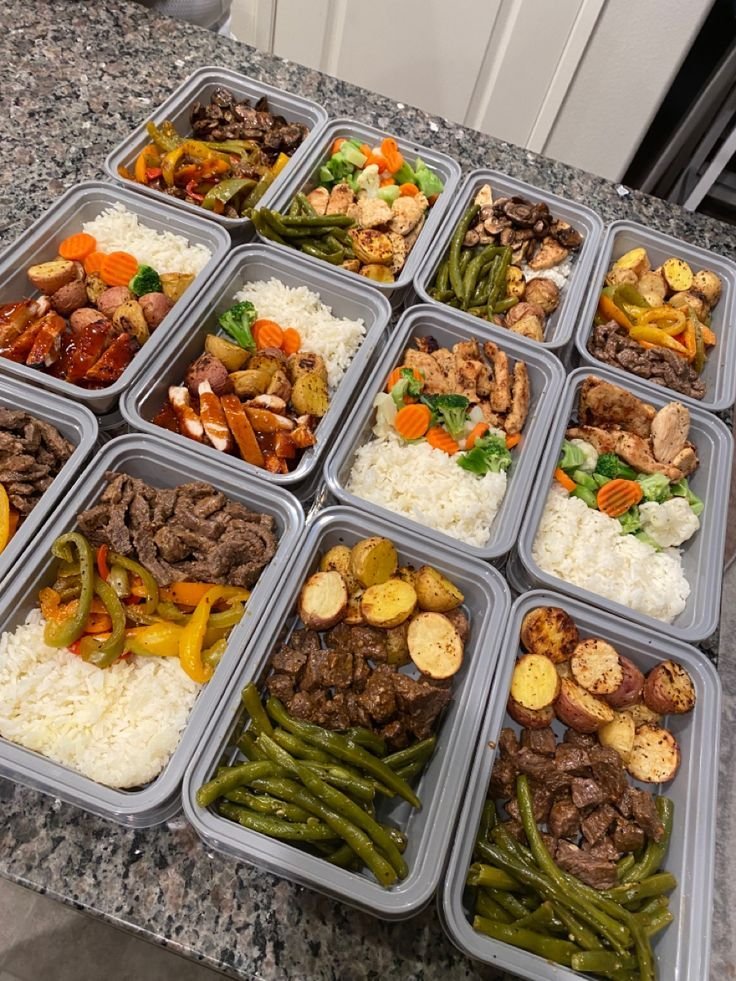
Portion control is another important aspect of batch cooking. Utilize appropriate containers to separate meals into single servings. Glass or BPA-free plastic containers work well, enabling you to see contents easily and avoid leaks. Additionally, label each container with the meal name and date to keep track of freshness. This organization aids in ensuring that you consume meals within the recommended time frame, preventing spoilage.
Make use of the freezer to preserve your meals effectively. Before freezing, allow dishes to cool to room temperature to reduce the formation of ice crystals, which can affect the texture upon reheating. When you are ready to eat, simply thaw the meal overnight in the refrigerator and reheat thoroughly before consumption.
Incorporating batch cooking into your routine not only facilitates healthy eating but also eliminates the temptation to rely on takeout, making it a valuable approach for beginners striving for a nutritious diet. By following these tips, you can establish a successful meal prep system that aligns with your lifestyle and dietary needs.
Storage and Reheating Tips
Effective storage and reheating are crucial components in maintaining the quality and safety of your prepped meals. To ensure that your meals remain fresh and safe to consume, it is important to follow specific storage guidelines. When storing prepped meals, opt for airtight containers to prevent exposure to air, which can lead to spoilage and loss of flavor. Glass or BPA-free plastic containers are excellent choices as they offer durability and do not leach harmful chemicals into food.
Identify meals that can be refrigerated or frozen, and label each container with the date it was prepared. This practice not only helps you keep track of your meals but also ensures you consume them within safe time frames. Generally, meals can be stored in the refrigerator for up to four days. If you wish to keep them for an extended period, consider freezing them. Most cooked meals can be frozen for up to three months. However, be mindful that certain foods do not freeze well, such as creamy sauces and fresh vegetables, which may lose their texture upon reheating.
When it comes to reheating, there are a few techniques to preserve the taste and texture of your meals. The microwave is a convenient option, but be sure to use a microwave-safe container and cover it with a microwave-safe lid or wrap to retain moisture. Stirring halfway through the heating process helps redistribute heat evenly. Alternatively, reheating meals on the stove can create a better texture; simply place the meal in a skillet over medium heat, and add a splash of water or broth to prevent drying out. For casseroles and baked goods, reheating in the oven is recommended, as it will restore crispness. Regardless of the method, ensure that meals reach an internal temperature of 165°F, which is key to safe consumption.
Staying Motivated with Meal Prep
Establishing a meal prep routine can significantly enhance your culinary experience, making it both enjoyable and sustainable. To initiate this practice, begin by selecting a specific day and time each week dedicated to meal preparation. This consistency not only streamlines your efforts but also sets a concrete commitment, allowing you to develop a habit. Furthermore, create a list of meals that intrigue you, as cooking with enthusiasm is vital. Experimenting with new recipes or incorporating favorite ingredients can keep your meal prep fresh and exciting.
Kitchen burnout is a common challenge faced by those committed to meal prepping. To combat this, ensure that your meal prep involves a diverse array of ingredients and recipes. Consider setting limits on preparation duration, allowing yourself adequate breaks and time to enjoy the fruits of your labor. Engaging friends or family members in meal prep sessions can also alleviate fatigue and foster a sense of camaraderie. By sharing the workload and exchanging tips, you can cultivate a motivating environment that invigorates the meal prep process.
Celebrating small successes can serve as a powerful motivator throughout your meal prep journey. Acknowledge your achievements, whether it be mastering a new technique, sticking to your prep schedule for several weeks, or even simply enjoying a well-prepared meal. Consider rewarding yourself with a small treat, such as a new kitchen gadget or a meal from a favorite restaurant, reinforcing the positive aspects of your commitment. Frequent reminders of the benefits of meal prepping—such as savings on time and expense—will also encourage continued dedication to this healthy lifestyle choice.
Conclusion and Next Steps
In this blog post, we have explored various healthy meal prep ideas tailored for beginners. Meal prepping is not only an effective way to save time during the week, but it also encourages better eating habits and helps manage portion control. We discussed the importance of planning meals ahead, selecting nutritious ingredients, and the benefit of organizing your kitchen for ease of use during cooking and storage.
Starting your meal prep journey can seem daunting at first, but it is essential to take small, manageable steps. Begin by dedicating one day a week to cook and prepare meals. Choose a few simple recipes that appeal to you, focusing on whole foods such as vegetables, lean proteins, and whole grains. Incorporate batch cooking with staples like quinoa or roasted vegetables, which can be used in a variety of dishes throughout the week.
Moreover, investing in quality containers for storage ensures that your meals remain fresh and are easily accessible. Remember to label your meals with dates to maintain their freshness and minimize food waste. Additionally, allow yourself the flexibility to experiment with new recipes or tweak ingredients to suit your taste preferences, making the process more enjoyable.
For those seeking further inspiration and guidance, numerous resources are available. Cookbooks dedicated to healthy meal preparation, food blogs, and social media platforms can provide creative ideas and motivation. Communities focused on meal prepping can also offer support and additional tips to elevate your experience.
As you embark on your meal prepping journey, keep in mind that consistency will lead to improvement and greater confidence in your cooking skills. Embrace the learning process, and soon you will find meal prepping both a rewarding and enriching experience.