

Introduction to Travel Photography
Travel photography stands as a captivating genre that intertwines the art of visual storytelling with the exploration of diverse landscapes, cultures, and experiences. For professional content creators, this field offers a remarkable opportunity to document the essence of their journeys while inspiring others to venture into the world around them. The appeal of travel photography lies not just in the beautiful images captured, but also in the stories these images tell, making it an essential component of modern content creation.
One of the hallmarks of travel photography is its ability to highlight the unique character of a location. Photographers venture into various environments, from bustling urban settings to tranquil natural vistas, each presenting distinct challenges and opportunities. Factors such as lighting conditions, weather variability, and local customs can impact the photographic process, requiring content creators to adapt swiftly to changing circumstances. This adaptability often enhances the creative aspect of travel photography, pushing photographers to explore innovative ways to capture their surroundings.
Moreover, the connections established with local communities and cultures can lead to profound insights, enriching the photographer’s creative portfolio. By engaging with people and immersing themselves in new experiences, professionals can produce images that resonate on a deeper emotional level. Therefore, the craft of travel photography is not solely about technical proficiency; it also involves an understanding of the broader narrative encompassed by each frame. This multidimensional approach can significantly elevate the content, making it relatable and thought-provoking for the audience.
In pursuing travel photography, professional content creators not only enhance their skills but also contribute to a collective memory of shared human experiences. In an increasingly interconnected world, the images captured can bridge cultural divides, fostering appreciation and understanding among diverse communities. Thus, travel photography emerges as a powerful medium that celebrates the beauty and complexity of our planet.
Essential Camera Gear for Travel Photography
When embarking on a journey as a travel photographer, selecting the right camera equipment is crucial for capturing stunning visuals that tell a story. Different types of cameras have varied advantages, allowing content creators to tailor their gear to specific travel scenarios. In this section, we will explore essential camera gear including DSLRs, mirrorless systems, compact cameras, and lenses.
DSLR cameras have long been favored by professional photographers due to their robust build and exceptional image quality. They typically offer a wide range of interchangeable lenses, thus providing versatility in different shooting conditions. For a travel photographer, a DSLR can be beneficial when shooting landscapes or portraits, especially when equipped with high-quality lenses.
On the other hand, mirrorless cameras have gained popularity in recent years for their lightweight design and advanced features. These compact systems often come with comparable image quality to DSLRs while being less cumbersome to carry. This attribute makes mirrorless cameras an attractive option for those who prefer a minimalist approach without sacrificing performance.
For those looking for a more lightweight and straightforward solution, compact cameras can serve as an excellent alternative. While they may not offer the same level of control as DSLRs or mirrorless options, modern compact cameras often come with impressive zoom capabilities and built-in stabilization, which can be advantageous during travel.
Equally important to the camera body is the selection of lenses. A wide-angle lens is essential for capturing expansive landscapes, while a telephoto lens can help you get close to wildlife or distant subjects without disturbing them. In addition, a prime lens with a large aperture can be useful for low-light situations, providing sharper images with beautiful background blur.
Ultimately, the choice of camera gear should align with the photographer’s style and intended travel experience. By considering the types of cameras and their features, as well as the variety of lenses available, professionals can equip themselves to create compelling travel narratives through their photography.
Choosing the Right Lenses
When embarking on a journey to capture the essence of your travels, the choice of lenses plays a crucial role in shaping the composition and narrative of your photographs. Various types of lenses cater to different aspects of travel photography, enabling you to tell compelling stories through your images.
Wide-angle lenses, typically ranging from 14mm to 35mm, are invaluable for capturing expansive landscapes and architecture. These lenses excel in fitting more of the scene into a single frame, making them ideal for documenting vast vistas and crowded city squares. The effect of a wide-angle lens can create a sense of depth and perspective that draws viewers into the image, resulting in dynamic compositions.
On the other hand, telephoto lenses, with focal lengths exceeding 70mm, allow photographers to focus on distant subjects, compressing backgrounds and emphasizing details that may be missed with an ordinary lens. This type of lens is particularly useful in wildlife photography or when aiming to capture candid moments from a distance in bustling environments. By isolating subjects and blurring backgrounds, telephoto lenses can lend a professional quality to your travel photography.
For those seeking versatility in their photography, prime lenses are a worthy consideration. With a fixed focal length, they often boast superior optical quality and lower light sensitivity compared to zoom lenses. While they require more intentional composition, prime lenses can encourage creativity and compel photographers to explore their environment more thoroughly.
Ultimately, when selecting lenses for travel photography, it’s essential to consider your focus—be it capturing expansive landscapes, intricate details, or vibrant street scenes. Choosing the right lens will significantly enhance your creative expression and the visual storytelling of your travels.
Tripods and Stabilization Tools
For professional travel photographers, the choice of stabilization equipment can significantly enhance the quality of their work. Tripods, monopods, and gimbals serve as essential tools that not only support the camera but also contribute to the effective capture of sharp images, particularly in challenging environments.
A tripod is perhaps the most critical piece of stabilization equipment in a photographer’s arsenal. It provides a stable base for the camera, allowing for longer exposure times without the risk of camera shake, which is particularly valuable in low-light situations or for landscape photography where detailed imagery is paramount. Many tripods also offer adjustable heights, enabling photographers to experiment with various angles and perspectives easily.
Monopods, while not as stable as tripods, provide flexibility and portability that can be advantageous for travel photography. They are lightweight and easy to carry, making them suitable for dynamic shooting scenarios where quick movement is essential. Monopods also help reduce fatigue during prolonged shooting sessions, allowing photographers to maintain stability while carrying their equipment over long distances.
Gimbals represent a modern solution for stabilization, particularly for video recording. They use motorized support to keep the camera level, compensating for any movement. This technology is especially beneficial for content creators who aim to produce high-quality videos and take great still images in motion. Gimbals can flexibly adapt to various shooting conditions, ensuring smooth footage and sharp images, even in active environments.
In conclusion, incorporating tripods, monopods, and gimbals into a travel photographer’s toolkit can dramatically improve image quality. By utilizing these stabilization tools, photographers can mitigate the effects of camera shake, ensuring that every shot, irrespective of the conditions, achieves the desired clarity and detail.
Lighting Equipment for Various Conditions
Lighting plays a pivotal role in travel photography, defining the mood, tone, and clarity of your images. For professional content creators, understanding how to manipulate light sources can significantly enhance the storytelling aspect of travel photography. This necessitates the use of portable lighting equipment, such as reflectors, diffusers, and portable flashes, which are essential for achieving optimal results in various situations.
When shooting in harsh sunlight, the high contrast and intense shadows can often detract from the subject. Using reflectors can help redirect natural light back onto your subject, minimizing shadows and creating a more balanced exposure. Portable reflectors are lightweight and easy to carry, making them an ideal choice for on-the-go photographers. Additionally, employing diffusers is beneficial for softening the light. A diffuser can help in creating a gentle illumination that minimizes the impact of direct sunlight on the subject, resulting in more flattering images.
In low-light conditions, such as during dusk or dawn, relying solely on natural light is often insufficient. In these scenarios, a portable flash can provide the necessary illumination to highlight your subject without overwhelming the scene. For indoor photography, consider using flash modifiers to soften the light and avoid harsh, unflattering results. Combining ambient light with artificial light can create a more natural look, adding depth and interest to your photos.
It is important to familiarize yourself with your lighting equipment and practice using it under different conditions. This preparation not only enhances your technical skills, but also ensures you are ready to capture those perfect moments, regardless of the lighting challenges you may encounter. The right lighting equipment, combined with careful technique, can elevate your travel photography to new heights, providing vibrant, dynamic visuals that resonate with viewers.
Accessories that Enhance the Travel Photography Experience
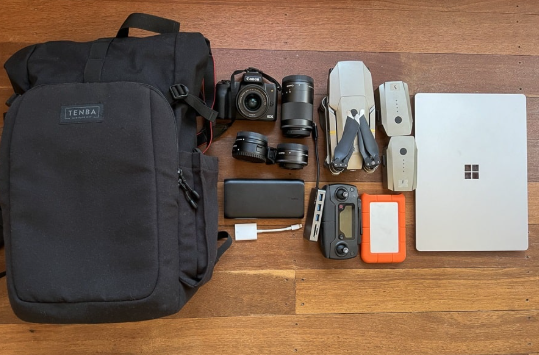
Travel photography often involves capturing fleeting moments, which means having the right accessories can significantly improve the shooting experience. A high-quality camera bag is essential for any travel photographer. It not only protects your equipment from bumps and weather conditions but also provides organized storage for quick access. Look for bags with padded compartments to safeguard your camera body and lenses, as well as pockets for smaller items like filters and batteries.
Another crucial item is a reliable cleaning kit. Dust, fingerprints, and moisture can compromise image quality, making it important to have proper cleaning tools. A lens cloth, blower, and brush will help you maintain your gear during your travels, ensuring that your lens is free of obstructions and your images remain crisp and clear. Additionally, purchasing cleaning supplies that are lightweight and compact can save space in your bag.
Extra batteries are a must-have for anyone engaged in travel photography. Depending on the environment and the duration of your shooting, it’s possible to deplete a camera battery within a few hours. Carrying multiple spare batteries will allow you to remain responsive and capture all those must-have shots without the stress of a low battery warning. Similarly, an ample supply of memory cards is vital. As RAW images and high-resolution videos demand significant storage, having a variety of memory cards ensures you won’t run out of space while on location.
Lastly, smartphone adapters can also prove indispensable. They help connect your camera to a smartphone or tablet, allowing for quick sharing of images on social media or between devices. These accessories can enhance your travel photography experience, ensuring you are fully equipped to document journeys seamlessly.
Post-Processing Gear and Software
In the realm of travel photography, capturing breathtaking images is only the beginning. The post-processing phase is essential for enhancing and refining photographs to achieve the desired aesthetic impact. Professional content creators should invest in reliable post-processing gear and software, as these tools can significantly elevate the quality of their work.
A high-performance laptop or tablet is crucial for editing travel photos effectively. When selecting a laptop, opt for models with powerful processors, dedicated graphics cards, and ample RAM. These specifications ensure smooth operation while running demanding photo-editing applications. Tablets equipped with stylus support, such as the iPad Pro or Wacom devices, can be advantageous for artists seeking precision during the editing process.
Editing software plays a pivotal role in transforming raw images into stunning visual stories. Among the industry’s most recognized applications are Adobe Lightroom and Adobe Photoshop. Lightroom excels in managing large photo libraries and performing batch edits, while Photoshop offers extensive editing capabilities, enabling nuanced adjustments to individual images. For those exploring alternative software, Capture One and Affinity Photo are noteworthy competitors, providing advanced features that cater to professional photographers’ needs.
Moreover, as a crucial aspect of the post-processing workflow, backing up photographs cannot be overlooked. Utilizing external hard drives or cloud storage solutions ensures that your images remain safe in the event of hardware failure or accidental deletion. Establishing a strategy for promptly backing up both edited and unedited images will protect your valuable work and safeguard against data loss.
In conclusion, investing in high-quality post-processing gear and software, along with robust backup solutions, is essential for professional content creators. These tools not only enhance the editing process but also ensure the longevity and safety of your travel photography portfolio.
Packing and Transporting Travel Photography Equipment
Packing travel photography equipment requires careful consideration to ensure the safety and functionality of your gear during transit. Whether you are taking a flight, hiking in rugged terrain, or exploring urban landscapes, efficient packing strategies can make a significant difference.
One fundamental aspect of packing is the selection of appropriate bags. Choose a solid camera bag with padded compartments to protect your equipment from shocks and impacts. A backpack style is ideal for hiking trips, as it distributes weight evenly and allows for hands-free movement. Many specialized photographic bags are designed with photographers in mind, featuring customizable compartments for cameras, lenses, and accessories.
For air travel, it is advisable to carry your camera gear as carry-on luggage. This not only reduces the risk of damage but also ensures compliance with airline regulations regarding the transport of valuable electronics. Be mindful of the size limitations for carry-on items and check the airline’s specific policies on battery transport, as certain batteries are subject to strict rules.
When hiking or navigating uneven terrain, consider utilizing protective gear such as lens caps and padded cases. Additionally, using a rain cover or waterproof bags can offer extra protection against the elements. Organizing your gear into smaller, manageable units can improve accessibility and prevent you from having to rummage through your entire pack.
Lastly, familiarize yourself with your gear’s needs and the environments you will encounter. Being prepared with the right containers and protective measures enables you to transport your travel photography equipment safely and efficiently, thereby allowing you to focus on capturing stunning images.
Conclusion and Final Thoughts
Choosing the right equipment for travel photography is a crucial step for professional content creators aiming to enhance their visual storytelling. The significance of having the appropriate tools cannot be understated, as they directly influence the quality and creativity of the captured images. Good gear can help you adapt to varying environments and conditions, ensuring that you can document your adventures effectively while maintaining high artistic standards.
As you reflect on the various options available, it is essential to consider not only technical specifications but also your personal style and travel habits. A photographer who enjoys hiking, for instance, might prioritize lightweight equipment that is easy to carry, while someone who focuses on architectural shots may lean towards a more robust setup that offers better quality optics. Understanding your unique preferences and the types of subjects you enjoy photographing will help in determining the best gear for your travel photography needs.
Ultimately, the goal is to find equipment that inspires you and complements your individual approach to photography. Whether you are an avid traveler or a content creator working in a specific niche, selecting the right photography equipment is a journey in itself. Take the time to explore different options, seek out reviews, and test gear to find what resonates with you. By investing in the right tools, you will empower your travel photography endeavors, creating stunning images that encapsulate the essence of your experiences.