

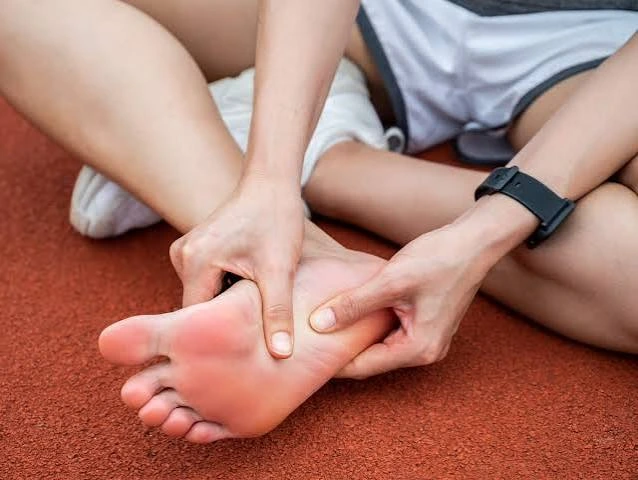
When someone visits a podiatrist with foot pain, one of the first things a good clinician will look at is not the foot itself but the shoes. The wear pattern on a sole, how much a heel counter has collapsed, and how cramped a toe box is can reveal a great deal about why a problem started and why it isn’t getting better.
Footwear is rarely the only cause of foot pain. Genetics, foot structure, body weight, activity levels, and calf flexibility all play a part. Shoes are, however, one of the few factors you can change today, and the wrong pair can turn a manageable issue into a persistent one.
Here’s how footwear relates to three of the most common foot complaints.
Heel Pain and Plantar Fasciitis
The plantar fascia is a thick band of tissue running from the heel bone to the base of the toes. It helps support the arch and absorb load with every step. When it becomes irritated, the classic symptom is sharp heel pain with the first steps out of bed in the morning, or after sitting for a while.
Footwear that can contribute:
- Very flat, unsupportive shoes such as worn-out trainers, ballet flats, and flip-flops, which offer little arch support or cushioning.
- Old shoes with compressed midsoles that no longer absorb shock.
- Walking barefoot on hard floors for long periods, especially when the condition is already flaring.
- A sudden change in footwear, such as switching to minimalist shoes without a gradual transition.
What tends to help: a shoe with a firm heel counter, moderate cushioning, some arch support, and a slight heel-to-toe drop. Many people find that wearing supportive footwear indoors, rather than going barefoot, reduces morning pain.
Footwear changes are usually just one part of effective plantar fasciitis treatment. They are often combined with calf and plantar fascia stretching, strengthening exercises, load management, and, where appropriate, orthotics or shockwave therapy.
Bunions and Toe Box Shape
A bunion (hallux valgus) is a bony prominence at the base of the big toe, where the toe gradually angles towards the second toe. Bunions often run in families, and foot structure plays a major role. Footwear doesn’t usually cause a bunion on its own, but it can strongly influence how painful it becomes.
Footwear that can make bunions worse:
- Narrow or pointed toe boxes that squeeze the toes together.
- High heels, which push body weight forward onto the front of the foot.
- Stiff materials or seams that press directly on the bony prominence.
- Shoes that are too short, often because foot size has changed over the years and was never re-measured.
What tends to help: a wide, deep, rounded toe box that lets the toes spread naturally, soft uppers, and a low heel. It’s worth getting both feet measured, since feet commonly widen with age, and buying for the larger foot.
Comfortable footwear can greatly reduce day-to-day symptoms, but it won’t reverse the joint deformity. If pain persists despite sensible shoes, or the bunion is progressing, it’s worth discussing treatment for bunions with a specialist, who can explain both conservative options and when surgical correction may be appropriate.
The Achilles Tendon and Heel Height
The Achilles tendon connects the calf muscles to the heel bone and handles enormous loads during walking, running, and jumping. Achilles tendinopathy causes pain, stiffness, and sometimes thickening of the tendon, often worst in the morning or at the start of activity.
Footwear that can contribute:
- A sudden drop in heel height. Moving from high heels or high-drop running shoes to flat or “zero-drop” shoes too quickly increases the load on the Achilles.
- Long-term high heel use, which can leave the calf and Achilles relatively tight and less tolerant of load.
- Rigid or high heel counters that rub against the back of the heel. This is particularly relevant for pain where the tendon attaches to the heel bone.
- Worn running shoes combined with a rapid increase in training volume.
What tends to help: gradual changes to footwear, a heel counter that doesn’t press on the painful area, and in some cases a temporary heel raise to reduce tendon load while it settles.
As with heel pain, footwear is a supporting measure. Effective achilles tendinopathy treatment is usually built around a progressive tendon-loading programme, tailored to whether the problem is in the mid-portion of the tendon or at its insertion.
A Quick Footwear Checklist
Before your next shoe purchase, check:
- Toe box: can you wiggle all your toes freely?
- Length: is there roughly a thumb’s width between your longest toe and the end of the shoe?
- Heel counter: does it hold your heel firmly without pressing on the Achilles?
- Midsole: does it still feel cushioned, or has it gone flat?
- Flex point: does the shoe bend at the ball of the foot, not in the middle of the arch?
- Fit: are you shopping later in the day, when feet are slightly larger?
Most running and walking shoes lose a lot of their cushioning after several hundred miles, even if the uppers still look fine.
When Shoes Aren’t Enough
If foot pain lasts more than a few weeks despite better footwear and sensible activity changes, or if it affects your sleep, work, or exercise, it’s time to see a podiatrist or foot specialist. Early assessment usually means simpler treatment and a faster recovery.