


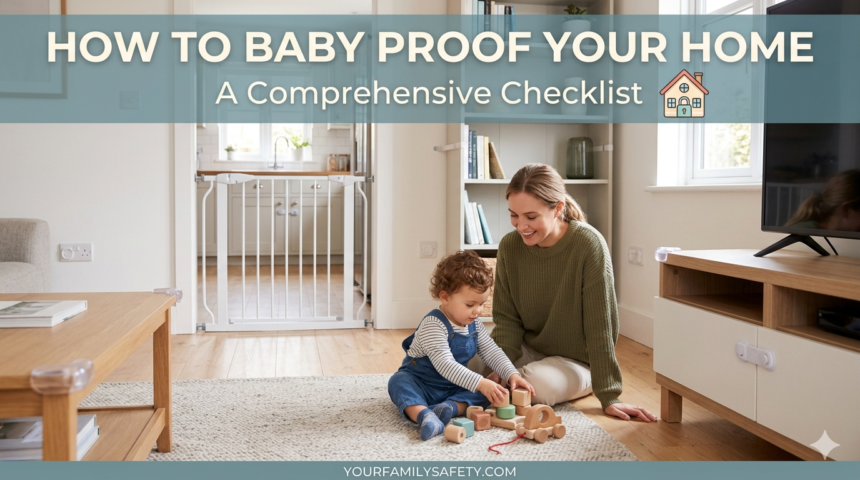
Introduction to Baby Proofing
Creating a safe environment for infants and toddlers is of paramount importance, especially as children grow more mobile. Baby proofing a home is an essential step for parents or caregivers to take before a child begins to crawl or walk. This practice involves identifying and mitigating potential hazards that can pose risks to a young child’s health and safety.
Households often contain numerous items that can be dangerous to small children. Common hazards such as sharp furniture edges, choking hazards, and toxic substances are prevalent in a typical home. For example, low furniture may encourage climbing, leading to falls, while electrical sockets can present shock hazards. Additionally, household chemicals stored under sinks or in cabinets can be harmful if ingested. Recognizing these potential dangers is the first step in establishing a secure environment for a child.
A proactive approach is crucial in baby proofing. The earlier parents or caregivers begin this process, the better prepared they will be to handle the exploration phase that comes when children start to crawl and walk. It is during these stages that children become curious about their surroundings and may reach for items that are not safe, such as cords, small objects, or sharp tools. Hence, having safety measures in place is necessary to prevent accidents.
Baby proofing is not a one-time task; it should be viewed as an ongoing endeavor that evolves as a child grows. Assessing the home regularly will ensure that new hazards are promptly addressed. By fostering a secure environment, parents can significantly reduce the risk of accidents and create a supportive space for their children to explore and thrive.
Assessing Risks in Every Room
Conducting a thorough assessment of your home is paramount when it comes to baby proofing. Each room presents unique challenges and potential hazards that require attention. Begin your process in the living room, where sharp corners on furniture, electrical outlets, and decorative items can pose significant risks. Cover sharp edges with protective padding and secure heavy furniture to the wall to prevent tipping.
Next, move to the kitchen, a hub of activity where many dangers lurk. Keep small objects, such as utensils and cleaning supplies, out of reach. Install child safety locks on cabinets to prevent access to harmful substances. Do not forget to store knives and scissors in designated areas that are inaccessible to small hands.
The bathroom is notorious for slip hazards and toxic substances. Ensure that the toilet lid is closed and consider using a childproof lock on it. Use non-slip mats to reduce the risk of falls, particularly near the bathtub and sink. Keep medications and hygiene products in locked cabinets to prevent accidental ingestion.
In the bedroom, identify hazards such as cords from blinds and toys left on the floor. Move furniture away from windows and secure cords to eliminate the risk of entanglement or falls. Ensure that crib safety standards are met by using a properly assembled crib with a fitted mattress to prevent gaps.
Finally, consider your outdoor areas. Fences should be secure to prevent young children from wandering off, and any potentially dangerous garden tools should be stored safely away. By taking a proactive approach to assessing risks in every room, you can create a safer environment for your child, allowing them to explore their surroundings with confidence.
Living Room Safety Measures
When preparing a living room for a baby, the first step is to assess the furniture arrangement. Ensure that furniture such as couches and chairs are placed securely, avoiding sharp edges that could cause injury. If possible, opt for rounded furniture or utilize safety corner guards to minimize risks. Additionally, heavy items, such as bookshelves or cabinets, should be anchored to the wall to prevent tipping, particularly if a baby starts to climb or pull themselves up.
Electrical outlets can pose a significant hazard if left exposed. Use outlet covers to protect curious little fingers from potential electric shocks. These can be easily installed and removed as your child grows, allowing for ongoing maintenance of safety standards. Similarly, ensure that all cords from lamps, electronics, and other devices are tucked away or secured with cord organizers so babies are not able to grab or entangle themselves in them.
In the quest for a safe environment, it is prudent to remove any decorative items that could pose a choking hazard or may shatter upon impact. This includes items like glass vases, picture frames, or any small trinkets that are within the baby’s reach. Instead, opt for safe and sturdy alternatives that can add charm to the space while ensuring the area remains child-friendly.
Ultimately, the living room can be a safe haven for both parents and babies with careful planning and adjustments. Regularly reviewing the space for new hazards is recommended, as children grow and explore. By prioritizing safety in the living room, parents can create a comfortable and loving environment for their little ones, allowing for joyful play and family bonding time.
Kitchen Precautions
Ensuring a safe environment for your baby in the kitchen is paramount, given that this area contains various appliances, utensils, and substances that can pose significant risks. One of the first steps in baby-proofing your kitchen is to install cabinet locks. These locks prevent curious little hands from accessing items that should remain out of reach, such as cleaning supplies, sharp utensils, and other potentially hazardous materials.
It is vital to keep knives, scissors, and other sharp utensils secured in high cabinets or drawers that are not accessible to children. Consider using drawer organizers to store these items and ensure that they are out of sight. Additionally, storing small appliances like blenders, food processors, and toasters on higher shelves will minimize the risk of a baby pulling them down and causing injury.
Another important precaution is to effectively manage your trash cans. Many households overlook this aspect of safety, but an open trash can can be a treasure trove of dangers, as it may contain sharp items, broken glass, or harmful chemicals. Opt for trash cans with secure lids or those that can be locked. Some families also choose to store their trash bins in a high cabinet, effectively removing the risk altogether.
Furthermore, it is paramount to keep all harmful substances, including cleaning agents, medications, and sharp objects, in secure locations. Utilize safe storage solutions like child-proof cabinets or high shelves to keep these hazardous items far from a child’s reach. Make it a practice to always return items to their designated storage spots immediately after use to maintain a consistently safe environment.
Bathroom Safety Tips
The bathroom is one of the most dangerous areas in a home for infants and toddlers. Due to the combination of water, slippery surfaces, and various potentially harmful items, it is essential to take comprehensive steps to ensure safety. First and foremost, all medications, personal care products, and cleaning supplies should be stored out of reach or locked away. Children are naturally curious and may mistake these items for toys or candy, leading to ingestion or poisoning. Lockable cabinets or childproof locks can be effective in preventing access to harmful substances.
Another important consideration is the water temperature. It is advisable to set the water heater to a maximum of 120 degrees Fahrenheit to prevent scalding. Always test the water temperature before bathing your child to minimize the risk of burns. Additionally, supervision should be continuous during bath times; never leave a child alone in a bathtub, even for a moment.
Installing non-slip mats in the bathroom is critical to help prevent falls, which are a common hazard as bathrooms can become slippery when wet. Placing these mats inside and outside the bathtub or shower area can greatly reduce the risk of accidents. Furthermore, consider the installation of toilet locks to prevent toddlers from climbing onto the bowl or reaching harmful items that may be present. Toilet locks not only serve as a safety measure but also help in teaching toddlers the importance of bathroom safety as they grow.
By taking proactive measures and implementing these bathroom safety tips, parents can significantly lower the risk of injury and create a safer environment for their children. Regularly reviewing safety protocols in this area will ensure ongoing protection as children learn to explore their surroundings.
Bedrooms and Sleeping Areas
Creating a safe sleeping environment for babies and toddlers is essential in ensuring their well-being. The choice of appropriate bedding is one of the fundamental aspects of safe sleep practices. It is crucial to select a firm mattress that fits snugly in the crib, preventing any gaps that could pose a risk of entrapment. Soft bedding, including pillows, quilts, and stuffed animals, should be avoided, as these may lead to a suffocation hazard.
Instead, utilize a fitted sheet made from breathable material to cover the mattress, ensuring it remains secure. When dressing your baby for sleep, it is advisable to use a sleep sack or wearable blanket rather than loose bedding. This not only keeps them warm but also reduces the risk of suffocation, a significant concern in infant safety.
Additionally, the arrangement of furniture in the sleeping area is vital for preventing falls. Cribs should be placed away from windows, blinds, and cords that may pose a strangulation risk. Keep all heavy furniture, including dressers and bookshelves, anchored to the wall to prevent tipping. Ensure that cribs or beds are positioned away from walls or any obstructive furniture that could lead to a child falling.
Furthermore, the sleep area should be free from clutter to enhance safety. This involves maintaining a tidy space with minimal furnishings that could potentially serve as a climbing hazard. Regularly inspect the room for any items that could be dangerous, such as batteries or small objects that might pose a choking risk.
In summary, establishing a secure sleeping environment not only involves choosing the right bedding and managing furniture placement but also entails maintaining a clutter-free area. These actions collectively contribute to reducing potential hazards and ensuring that your child’s bedroom remains a safe haven for restful sleep.
Outdoor Safety Considerations
Creating a safe outdoor environment for young children is an essential aspect of baby proofing your home. The outdoors can present various hazards that require systematic precautions to ensure children’s safety. First and foremost, ensuring that your yard or outdoor space is securely enclosed with a robust fence is crucial. This barrier not only helps in keeping children within a safe area but also prevents any potential escape into busy streets or hazardous zones. Make sure that the fence is tall enough to deter climbing and free of gaps through which a child could slip.
Next, it is imperative to closely monitor outdoor play equipment such as swings, slides, and climbing structures. Regular inspections should be conducted to check for any signs of wear or damage that could pose safety risks. Ensuring that the equipment adheres to safety standards and guidelines is necessary to minimize the likelihood of accidents resulting from structural failures or improper use. Furthermore, consider placing safety mats or soft surfaces beneath swings and slides to cushion falls, which can dramatically reduce injury risk.
Parents should also be vigilant regarding the types of plants and landscaping materials present in their outdoor spaces. Certain plants can be toxic if ingested, posing a serious health threat to curious toddlers exploring their surroundings. Researching local flora and removing or securely fencing off any harmful plants is a proactive measure in safeguarding children. Additionally, it is advisable to avoid using pesticides or chemicals on gardens or lawns that could inadvertently come into contact with children. By addressing these outdoor safety considerations, caregivers can foster a secure and fun environment for their little ones to explore.
Monitoring and Supervision
Supervision is fundamental in ensuring the safety of your children within your home. While baby-proofing is a critical step in minimizing risks, it is important to understand that vigilant monitoring and supervision play an equally pivotal role. Children are naturally curious, and their explorative behavior can quickly lead them into potentially hazardous situations. Therefore, maintaining an active presence while they are engaged in play or exploring their environment is essential.
One effective way to enhance supervision is by using baby monitors. These devices can provide peace of mind, allowing parents to keep an ear on their baby while they are in another room. Choosing a monitor with video capabilities can be especially beneficial, enabling parents to visually check on their child’s activities. When selecting a baby monitor, consider one that has features such as motion detection or alerts when your child leaves a designated safe space. By utilizing modern technology, parents can ensure they remain attentive to their child’s whereabouts.
In addition to technological aids, being aware of your child’s activities at all times is vital. Familiarize yourself with the common areas they frequent and the specific items within these areas that could pose a risk. For instance, when your child is playing, it is recommended to remain within sight and engage with them, as this not only enhances safety but also promotes bonding. Establishing boundaries and ensuring they understand what is off-limits can also strengthen their awareness of safety.
Overall, while creating a secure environment through baby-proofing is crucial, the importance of consistent supervision cannot be overstated. It is a parent’s responsibility to actively monitor their child’s activities and to employ tools such as baby monitors to facilitate this. This dual approach helps to foster a safer home and contributes significantly to your child’s overall safety and well-being.
Conclusion and Final Tips
In conclusion, baby-proofing your home is an essential step to ensure the safety and well-being of your child. Throughout the process, it is crucial to be methodical and thorough, addressing the various potential hazards present in your living space. From securing heavy furniture to making hazardous substances inaccessible, every precaution you take contributes to creating a safer environment for your little one.
Regular assessment of your home is necessary as children grow and develop new skills. What may have been safe for a crawling infant can quickly change as they begin to walk, climb, and explore their surroundings. Continuously evaluate your baby-proofing measures and adapt them accordingly. For instance, as adept climbers emerge, ensure that windows and high furniture are appropriately secured to prevent falls.
Moreover, educating family members and caretakers about your baby-proofing measures can also enhance safety. Make sure everyone who interacts with your child understands the importance of maintaining a safe environment and is knowledgeable about the precautions you have implemented. This collaborative approach strengthens the safety net you have built for your child.
Lastly, remember to embrace a proactive mindset. Regularly revisit your baby-proofing checklist and scrutinize areas that might have been overlooked. By staying vigilant and adaptable, you will create a nurturing environment that prioritizes the security of your child, allowing them to explore and learn while minimizing risk.