


Introduction
Many people spend most of the day moving between screens. Work happens on laptops, conversations happen on phones, entertainment happens through streaming, and even shopping or planning often takes place online. While technology is useful, constant screen time can make the mind feel crowded. Creative hobbies offer a simple way to slow down and reconnect with something physical.
A creative hobby does not need to become a serious skill or side business. It can be as simple as drawing, stitching, painting, gardening, journaling, cooking, or decorating a plain everyday item. The value often comes from the process itself: using your hands, making decisions slowly, and focusing on one small task without digital interruption.
Why Hands-On Activities Feel Different
Screens encourage fast switching. A message appears, a tab opens, a video starts, and attention moves constantly. Hands-on hobbies create the opposite feeling. They ask you to stay with one action long enough to see progress.
Working with materials such as fabric, paper, thread, paint, clay, or plants gives the brain a different kind of feedback. You can feel texture, notice color, adjust pressure, and see physical changes as you work. This makes the activity grounding in a way that scrolling rarely is.
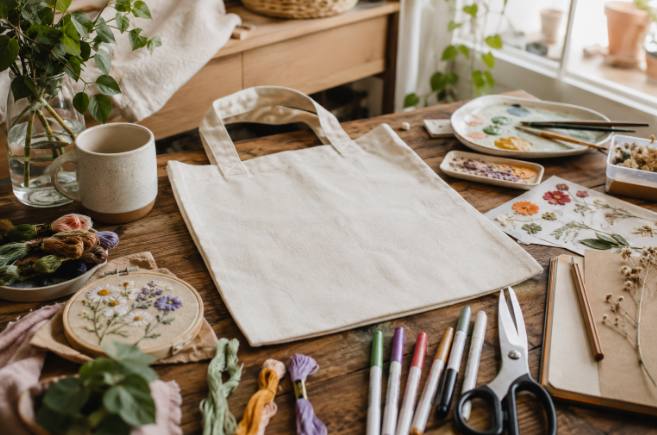
Simple projects using Custom Tote Bags can be a good example. A blank bag can become a small creative surface for drawing, painting, patching, or stitching, while the finished item remains useful afterward.
Start With Low-Pressure Projects
One reason people avoid creative hobbies is fear of not being good enough. But unplugging from screens should not become another performance task. The best starting projects are low-pressure and forgiving.
Decorating a fabric bag, making a collage, arranging pressed flowers, painting small wooden tags, or stitching simple shapes can all be done without advanced skill. These projects allow people to enjoy the process instead of chasing perfection.
If someone wants structured inspiration, A Complete Guide: How to Decorate a Blank Tote Bag can help compare beginner-friendly methods such as fabric markers, patches, painting, embroidery, or simple printing.
Build a Screen-Free Ritual
Creative hobbies are easier to maintain when they become part of a routine. This does not require hours of free time. Even twenty minutes after dinner or a quiet Sunday morning session can make a difference.
A screen-free creative ritual might include:
- putting the phone in another room
- setting out supplies before starting
- choosing music or silence
- working on one small project at a time
- stopping before the activity feels tiring
The purpose is not productivity. It is to create a small protected space away from digital noise.
Use Creative Hobbies for Reflection
Making something by hand often gives people time to think without forcing it. Repetitive actions such as stitching, coloring, cutting, folding, or arranging materials can feel calming. They allow thoughts to settle.
This is why creative hobbies can be especially helpful after stressful workdays. They give the mind something gentle to focus on, while still producing a visible result.
Share the Activity Without Turning It Into Content
Creative hobbies can be social without becoming another online performance. Friends can gather for a craft night, families can work on simple projects together, or community groups can host relaxed workshops.
Not every finished piece needs to be posted online. Sometimes the best part of a hobby is keeping it private, useful, and personal.
Conclusion
Creative hobbies help people unplug from screens by slowing attention, engaging the hands, and creating space for quiet focus. They do not need to be complicated or impressive to be valuable.
Whether decorating fabric, painting, journaling, or making small handmade items, the act of creating gives people a break from constant digital input. In a screen-heavy world, that simple kind of focus can feel surprisingly refreshing.