

Back pain during early pregnancy is a common concern for many expectant mothers. Understanding the underlying factors contributing to this discomfort is essential in distinguishing between typical pregnancy-related aches and those that may warrant medical evaluation. Hormonal fluctuations play a significant role in this process. The body produces relaxin, a hormone that helps prepare the pelvis for labor but can also lead to increased laxity in ligaments, resulting in strain on the back.
Additionally, weight gain is an inevitable aspect of pregnancy that can lead to back pain. As the uterus expands, it puts increased pressure on the spine and surrounding muscles, often altering posture. These changes in body mechanics can lead to discomfort in the lower back and other areas. Women may also find themselves adjusting their posture unconsciously, which can further exacerbate back pain as they adapt to their growing abdomen.
Another contributing factor is the changes in muscle tone and strength. During early pregnancy, abdominal muscles may weaken, which in turn affects the support they provide to the spine. This loss of support can lead to an uneven distribution of weight, increasing the likelihood of back pain.
It is important to note that while moderate back pain can be a normal part of pregnancy, certain symptoms should prompt a consultation with a healthcare provider. Severe, persistent pain that does not improve with rest, pain accompanied by cramping or bleeding, or pain that radiates to the legs could indicate a more serious issue. Pregnant women should always be vigilant about their bodies and seek medical advice if they have concerns regarding their back pain, ensuring both their well-being and that of their developing child.
Importance of Consulting with a Healthcare Provider
During early pregnancy, many women experience various physical changes, including back pain. While back pain can be a common symptom as the body adjusts to accommodate the growing fetus, it is crucial to consult with a healthcare provider to address these concerns adequately. Engaging with a medical professional allows individuals to better understand the nature of their discomfort and receive tailored advice based on their specific circumstances.
Consulting with a healthcare provider about back pain is vital for several reasons. First, it helps in identifying whether the back pain is a normal physiological response to pregnancy or if it may indicate an underlying issue that requires attention. Conditions such as sciatica, kidney stones, or other medical complications could present similar symptoms, and a qualified healthcare provider can conduct appropriate assessments to rule these out.
Moreover, a healthcare provider can offer valuable guidance on safe and effective pain management strategies tailored to the individual’s health profile. This may include recommendations for exercises, lifestyle adjustments, or physical therapy that will alleviate discomfort while ensuring the safety of both the mother and the developing baby.
Additionally, obtaining professional advice enables the formulation of a personalized care plan, which takes into account the individual’s health history, pregnancy stage, and potential risks involved. Personalization is particularly essential, as each pregnancy is unique, and generalized advice may not be applicable for everyone. Through a collaborative approach, women can be empowered with knowledge and resources that address their specific needs, ultimately promoting a healthier pregnancy experience.
Gentle Exercises for Relief
Experiencing back pain during early pregnancy is a common issue that many expectant mothers face. As the body undergoes various changes, it is essential to engage in gentle exercises that can help alleviate discomfort while promoting the overall well-being of both mother and baby. Incorporating regular movement into your routine can have significant benefits, including improved flexibility, reduced muscle tension, and enhanced mood.
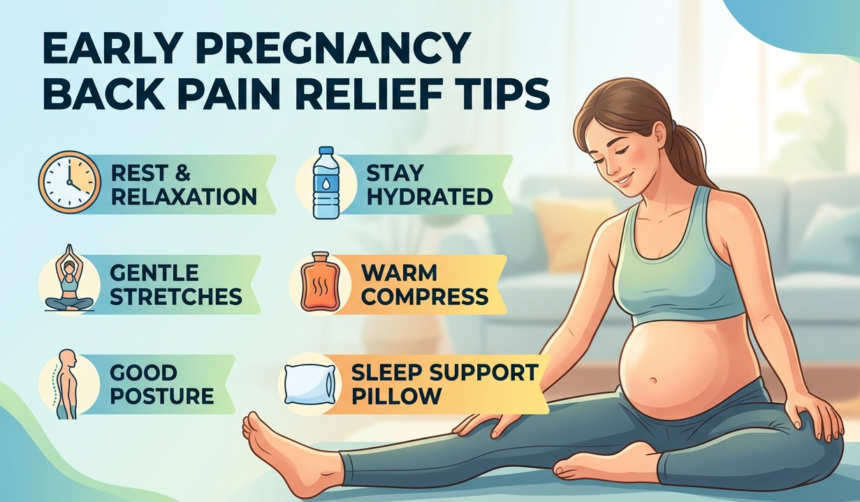
Stretching is one of the simplest and most effective ways to relieve back pain. Gentle stretches can target the areas of discomfort, promoting circulation and relieving tension. For instance, the cat-cow stretch is highly beneficial. To perform this, begin on your hands and knees, ensuring that your wrists are aligned under your shoulders and your knees under your hips. Inhale deeply as you arch your back, dropping your belly towards the floor (cat position), then exhale and round your back, bringing your chin toward your chest (cow position). Repeat this sequence several times, focusing on your breath.
Additionally, prenatal yoga offers a safe way to enhance flexibility and strengthen core muscles, which can help support a growing belly. Many online resources and local classes provide tailored sessions for pregnant women. As you follow the guided movements, be sure to listen to your body and avoid any positions that cause discomfort. Postures like the child’s pose and downward-facing dog can provide significant relief without straining the body.
Low-impact activities, such as walking or swimming, are also excellent for maintaining fitness during pregnancy. They allow for a gentle range of motion, minimize stress on the joints, and can greatly reduce overall back pain. Regularly engaging in these physical activities can facilitate better posture, improving back support as pregnancy progresses.
Proper Posture Techniques
Proper posture plays a vital role in alleviating early pregnancy back pain. As the body undergoes numerous changes during this period, maintaining an appropriate alignment while sitting, standing, and sleeping becomes increasingly important. Discomfort in the back area can often be exacerbated by poor posture, making it imperative for expectant mothers to focus on enhancing their postural habits.
When sitting, it is crucial to use ergonomic furniture that supports the natural curvature of the spine. Opt for a chair with lumbar support, or consider using a cushion designed specifically for back support. Feet should be flat on the ground or propped on a footrest, while knees remain level with or slightly lower than hips. Additionally, engaging the core muscles and keeping shoulders relaxed can further stabilize the back.
For standing posture, it is advisable to evenly distribute weight between both feet, keeping the shoulders back and relaxed while engaging the abdominal muscles. This practice not only helps in reducing strain on the lower back but also enhances overall balance. Using supportive footwear that offers appropriate arch support can also significantly contribute to improved stance.
Sleep position is another critical factor influencing back pain during pregnancy. It is recommended to sleep on the side, preferably the left side, which not only enhances circulation but also alleviates pressure on the spine. Placing a pillow between the knees can aid in maintaining hip alignment, thereby reducing any additional strain on the back. Additionally, a supportive pregnancy pillow can provide extra comfort and encourage a more restful sleep.
Incorporating these proper posture techniques into daily routines can significantly assist in managing early pregnancy back pain. By paying careful attention to posture while engaging in various activities and ensuring the use of ergonomic items, expectant mothers can foster a more comfortable and pain-free experience during this important stage of life.
Heat and Ice Therapy
Back pain is a common discomfort experienced during early pregnancy, and both heat and ice therapy can provide effective relief. Understanding how to correctly use these therapies is essential for ensuring safety and achieving optimal results.
Heat therapy can help to relax tight muscles and ease stiffness in the back. Common methods of heat application include heating pads, hot water bottles, and warm baths. It is important to apply heat for 15 to 20 minutes at a time. This duration allows the muscles to absorb the warmth without the risk of overheating the skin or causing further discomfort. When using heating pads or hot water bottles, ensure that they are not excessively hot and always place a cloth or towel between the heat source and your skin to prevent burns.
On the other hand, ice therapy is beneficial for reducing inflammation and numbing the affected area, especially after physical activity. Ice packs or a bag of frozen vegetables can be effective tools for this purpose. When applying ice, it is advisable to wrap the ice pack in a thin towel and use it for 10 to 15 minutes, followed by a brief break to avoid ice burn. This repeated application can help alleviate pain and swelling.
Both heat and ice therapy can complement other soothing strategies, such as gentle stretching and relaxation techniques. However, it is crucial for pregnant individuals to consult with their healthcare provider before beginning any new pain relief regimen, especially if pre-existing conditions exist. By utilizing heat and ice therapy safely and effectively, one can significantly enhance comfort during early pregnancy.
Investing in Supportive Gear
As the body undergoes significant changes during early pregnancy, investing in supportive gear can be a crucial step in alleviating back pain and promoting overall comfort. Maternity belts, for instance, are specially designed to offer support to the growing belly, helping to redistribute the weight more evenly across the abdomen and back. By reducing strain on the lower back muscles, a maternity belt can contribute to improved posture and decreased discomfort as the pregnancy progresses.
In addition to maternity belts, appropriate footwear plays a vital role in providing the necessary support for pregnant individuals. During this period, hormonal changes can lead to an increase in the elasticity of ligaments, resulting in a less stable foot arch. Thus, choosing shoes with adequate arch support and cushion is essential. Footwear that prioritizes stability can help mitigate the risk of falls and further strain on the back, creating a safer environment as the body adjusts to its new shape.
Utilizing supportive gear not only aids in physical comfort but can also contribute positively to emotional well-being during early pregnancy. The right combination of maternity belts and supportive shoes can enhance mobility and confidence, allowing pregnant individuals to engage more freely in daily activities. Additionally, adopting a proactive approach to managing physical discomfort through these products can help set the tone for a healthier pregnancy journey.
Overall, prioritizing the purchase of supportive gear is an effective strategy in combating early pregnancy back pain. By providing stability, support, and comfort, these items can significantly improve the quality of life during the transformative months of pregnancy.
Relaxation Techniques for Pain Relief
Managing back pain during early pregnancy can be challenging, but various relaxation techniques can prove beneficial in alleviating discomfort. One effective method is deep breathing exercises. Practicing deep breathing invokes a state of relaxation, helping to reduce stress and tension that often exacerbate pain. To perform this exercise, find a comfortable position, either sitting or lying down. Close your eyes and inhale deeply through your nose, allowing your abdomen to rise. Hold this breath for a moment before exhaling slowly through your mouth. Repeat this process several times, focusing on the flow of your breath and releasing any tension in your back.
Meditation serves as another powerful tool for pain relief during pregnancy. This practice encourages mindfulness, promoting a sense of calm that can mitigate the perception of pain. To begin, choose a quiet space where you won’t be disturbed. Sit comfortably and focus your attention on your breathing or a specific mantra. Allow any thoughts to drift away without judgment, returning your focus to the present moment. Regular meditation can help cultivate a more positive mindset, which in turn can enhance your ability to cope with discomfort.
Guided imagery is a complementary technique that can also assist in managing back pain. It involves visualizing a peaceful and relaxing scene, which can distract the mind from pain signals. Find a comfortable position and close your eyes. Then, immerse yourself in a calming mental image, such as a tranquil beach or a serene forest. Imagine the sounds, smells, and sensations associated with that place, allowing it to envelop you completely. This visualization can not only promote relaxation but may also lessen the intensity of pain experienced.
Nutrition and Hydration Tips
Proper nutrition and hydration play crucial roles in maintaining overall body wellness, particularly during early pregnancy when back pain may arise. A balanced diet filled with essential nutrients not only supports fetal development but also strengthens muscles and joints, potentially alleviating discomfort in the back region.
Incorporating foods rich in calcium, magnesium, and vitamin D is essential for bone and muscle health. Dairy products such as milk, yogurt, and cheese provide an excellent source of calcium, which is fundamental for maintaining strong bones. Additionally, green leafy vegetables, almonds, and fortified plant-based milks are alternatives that can help meet calcium requirements.
Further, foods like bananas and avocados are rich in magnesium and potassium, both of which are vital for muscle function and overall relaxation. The inclusion of fatty fish, such as salmon and sardines, delivers omega-3 fatty acids and vitamin D, both of which support joint health and may help in reducing inflammation.
Hydration also significantly impacts back health during pregnancy. Adequate fluid intake can help prevent muscle cramps and preserve joint lubricity. Experts recommend that pregnant individuals drink at least eight to ten glasses of water daily; however, this requirement may vary based on individual needs and physical activity levels. To further enhance hydration, consider incorporating hydrating foods such as cucumbers, melons, and oranges into your diet.
In summary, focusing on nutrient-dense foods and ensuring proper hydration can foster an environment that promotes body comfort and wellness in early pregnancy. Incorporate these dietary tips for effective back pain relief, allowing you to feel your best as you navigate this significant journey.
When to Seek Further Medical Help
During early pregnancy, it is common to experience various physical changes, including back pain. While mild discomfort is usually manageable and often expected, certain symptoms warrant immediate medical attention. Understanding when to consult a healthcare professional is essential for the well-being of both the expectant mother and her developing baby.
One of the primary signs that indicate a need for further evaluation is the presence of severe or worsening back pain. If the discomfort is accompanied by other alarming symptoms, such as bleeding, cramping, or unusual fluid discharge, this may signal an underlying issue that requires prompt medical assessment.
If you experience debilitating pain that impacts your daily activities, it is prudent to seek guidance from your healthcare provider. Pain that radiates down your legs or is associated with numbness could also suggest a more serious problem, such as sciatica or other nerve-related issues that can arise during pregnancy.
Another critical warning sign is the onset of abdominal pain, especially if it is localized or severe. Additionally, if you notice persistent headaches, vision changes, or swelling in the hands and face, these could be potential indicators of gestational hypertension or preeclampsia. Further evaluation in these cases is crucial, as they can pose risks to both mother and baby.
Lastly, it is vital to trust your instincts concerning your health. Any significant changes in your body or acute discomfort should prompt a conversation with a healthcare professional. Early intervention can provide reassurance and ensure the appropriate care is given, thereby fostering a safer pregnancy experience.