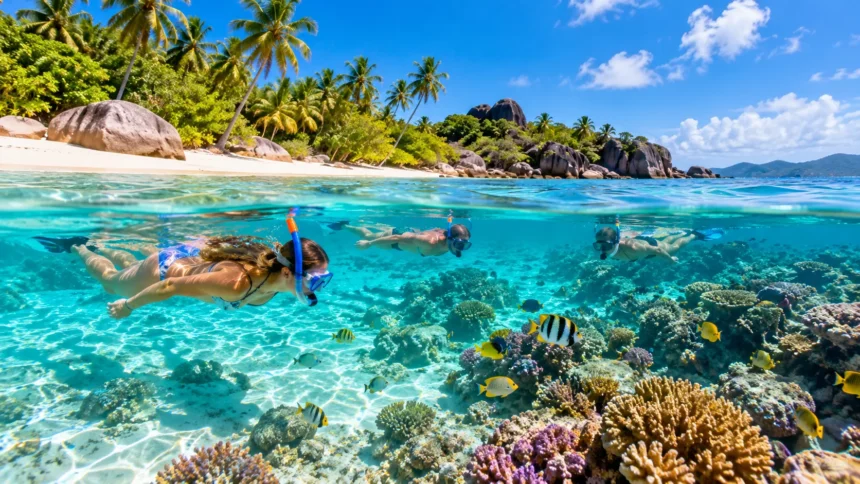
The best beaches for snorkeling offer an incredible opportunity to explore colorful marine life, beautiful coral reefs, and crystal-clear underwater landscapes. From tropical islands in the Caribbean to peaceful beaches in the Indian Ocean, many destinations are famous for their exceptional water visibility and diverse marine ecosystems. Whether you enjoy discovering tropical fish or admiring underwater scenery, snorkeling destinations provide memorable coastal experiences.
Some beaches feature coral reefs close to shore, while others are known for sheltered lagoons and striking natural surroundings. Popular destinations such as Hanauma Bay in Hawaii, Klein Bonaire in the Caribbean, and Blue Bay in Mauritius attract visitors interested in observing marine environments. Each location offers a different combination of water conditions, wildlife, scenery, and visitor facilities.
Choosing the best snorkeling beach depends on water visibility, seasonal conditions, accessibility, and individual swimming ability. Clear water does not always mean the sea is safe, so understanding local conditions is an important part of planning. This guide explores beautiful snorkeling beaches around the world, their distinctive attractions, and practical considerations for enjoying responsible coastal tourism.
What Makes a Beach Good for Snorkeling?
A beautiful snorkeling beach usually features relatively clear water, interesting underwater habitats, and suitable access to the coast. Good visibility allows visitors to observe fish, coral formations, and other marine life more easily. However, visibility varies depending on weather, sediment, currents, and seasonal conditions.
Coral reefs and seagrass habitats are particularly attractive because they support diverse marine ecosystems. Tropical fish, sea turtles, and other species may be found in these environments. Wildlife encounters are never guaranteed, and visitors should observe animals from a respectful distance without touching or feeding them.
Water safety is just as important as underwater beauty. Some visually stunning beaches experience strong currents, sharp rocks, or dangerous surf. Travelers should check local advisories, choose appropriate supervised activities, and avoid entering the water when conditions are unsuitable for their abilities.
1. Hanauma Bay, Hawaii – Best for Colorful Marine Life
Hanauma Bay is one of the most famous snorkeling destinations in Hawaii. Located on the southeastern coast of Oahu, this protected bay features beautiful turquoise water and a distinctive volcanic landscape. Its marine environment supports colorful reef fish and other fascinating underwater species.
The bay’s sheltered setting creates attractive coastal scenery and opportunities for marine observation when conditions are favorable. Visitors can appreciate the surrounding cliffs and sandy shoreline while learning about Hawaii’s underwater ecosystems. The area’s conservation status reflects the importance of protecting its sensitive marine habitats.
Hanauma Bay operates under visitor management rules designed to protect the environment. Nonresident visitors generally need advance reservations, and access is limited on certain days. Travelers should confirm current opening arrangements and follow all conservation and water safety instructions before visiting.
2. Klein Bonaire, Caribbean – Best for Clear Water and Coral Reefs
Klein Bonaire is a small uninhabited island located just offshore from Bonaire in the Caribbean Netherlands. It is famous for its exceptionally clear water, white sandy shoreline, and surrounding coral reefs. The island forms part of Bonaire National Marine Park, which protects important marine ecosystems.
No Name Beach is a popular arrival point for visitors exploring the island. Its beautiful coastal setting provides views of turquoise water and nearby reef habitats. The surrounding marine environment supports tropical fish, sea turtles, and a variety of coral species.
Visitors typically reach Klein Bonaire by authorized boat transportation from Bonaire. Facilities are limited, so advance planning is important. Marine park rules and applicable nature fees should be checked before visiting, and wildlife should always be observed without physical contact.
3. Blue Bay, Mauritius – Best for a Tropical Marine Park
Blue Bay is one of Mauritius’s most recognized coastal destinations for snorkeling and marine sightseeing. Located in the southeastern part of the island, it is known for its beautiful lagoon and protected marine environment. The surrounding tropical landscape creates a picturesque setting for visitors.
Blue Bay Marine Park contains coral formations and a variety of reef fish. Its marine habitats make the area particularly interesting for travelers who appreciate underwater biodiversity. Water clarity can be attractive during suitable conditions, although visibility changes with weather and local activity.
Visitors should follow marine park regulations and choose responsible operators for guided experiences. Certain activities may be restricted to protect the reef. Blue Bay is also enjoyable for travelers who prefer relaxing on the beach and appreciating the lagoon scenery from shore.
4. Abu Dabbab Beach, Egypt – Best for Red Sea Wildlife
Abu Dabbab Beach is a popular destination along Egypt’s Red Sea coast near Marsa Alam. Its broad sandy bay and marine habitats attract visitors interested in underwater scenery. The surrounding coastline offers beautiful desert landscapes that contrast with the blue waters of the Red Sea.
The bay is particularly known for its seagrass areas, where green sea turtles may sometimes be observed. Nearby reef habitats also support different tropical fish species. Wildlife sightings depend on conditions and natural animal behavior, so visitors should avoid expecting guaranteed encounters.
Abu Dabbab is part of a sensitive coastal environment, making responsible tourism important. Visitors should follow local access rules and avoid disturbing seagrass, coral, or marine animals. Choosing a reputable operator can help ensure that sightseeing activities respect environmental protection and visitor safety requirements.
5. Akumal Beach, Mexico – Best for Sea Turtle Habitats
Akumal is a beautiful coastal destination on Mexico’s Riviera Maya, located between Playa del Carmen and Tulum. Its name is commonly associated with the place of turtles, reflecting the region’s connection with marine life. The beach is famous for its turquoise water and sheltered coastal scenery.
The surrounding bay contains seagrass habitats that can attract green sea turtles. Visitors may have opportunities to learn about these animals through authorized marine observation activities. The beach also provides an attractive setting for appreciating the natural coastline of the Yucatán Peninsula.
Sea turtle observation is regulated to protect wildlife and prevent excessive disturbance. Access to designated areas may require authorized guides or specific arrangements. Visitors should respect these requirements, avoid touching animals, and follow instructions established for the conservation of the bay.
6. Anse Chastanet Beach, Saint Lucia – Best for Reef Scenery
Anse Chastanet is one of Saint Lucia’s well-known snorkeling destinations, located along the island’s southwestern coastline. The beach features dark volcanic sand, tropical vegetation, and dramatic surrounding hills. Its scenic setting creates a distinctive Caribbean coastal experience.
The nearby marine environment includes reef habitats that support colorful fish and other underwater life. The surrounding landscape makes Anse Chastanet attractive for both beach relaxation and nature-focused travel. Visitors can also admire the island’s mountainous scenery and beautiful coastal views.
Access arrangements and beach facilities should be checked before visiting, particularly when using services associated with nearby resorts. Water conditions can change, and some reef areas may be unsuitable during rough weather. Responsible visitors should avoid standing on coral or disturbing underwater habitats.
7. Jemeluk Bay, Bali – Best for Underwater Views
Jemeluk Bay is a beautiful coastal destination near Amed in northeastern Bali, Indonesia. The area is famous for its peaceful atmosphere, volcanic shoreline, and views of Mount Agung. Its coastal waters contain underwater habitats that attract visitors interested in marine life.
The bay is associated with coral formations, tropical fish, and underwater scenery. Unlike Bali’s busiest resort areas, Amed offers a quieter coastal environment with traditional villages and scenic surroundings. This makes the destination appealing for travelers who enjoy combining natural attractions with local culture.
Beaches around Amed commonly feature stones or darker volcanic material rather than soft white sand. Access conditions can vary along the shore. Visitors should consider suitable footwear for walking near the beach and follow local guidance before participating in water-based activities.
8. Panagsama Beach, Philippines – Best for Sardine Sightings
Panagsama Beach is located in Moalboal on the island of Cebu in the Philippines. The area is famous for its remarkable marine biodiversity and coastal sightseeing opportunities. Its underwater environment attracts travelers interested in observing schools of fish and other tropical marine species.
Moalboal is particularly recognized for large schools of sardines that can sometimes be observed near the coastline. The surrounding waters also support coral habitats and other marine life. These natural attractions make the region a popular destination for underwater photography and marine observation.
Panagsama’s shoreline is not a typical wide sandy beach, and underwater terrain varies across different sections. Travelers should check current sea conditions and choose suitable guided services. Marine wildlife should be observed respectfully without chasing, touching, or interfering with natural behavior.
9. No Name Beach, Bonaire – Best for a Peaceful Island Experience
No Name Beach is located on Klein Bonaire and is one of the Caribbean’s most picturesque white-sand coastal spots. Its peaceful appearance, clear water, and surrounding protected marine environment create an attractive setting. Visitors often choose the beach for its natural beauty and relative simplicity.
The nearby reef system supports colorful tropical fish, coral formations, and other marine organisms. The island’s protected status helps preserve important underwater habitats. Its scenic shoreline also makes it a beautiful destination for visitors who prefer photography and relaxed coastal sightseeing.
Because the island has limited infrastructure, visitors should plan transportation and essential supplies in advance. Environmental protection rules are important throughout the area. Avoid leaving waste behind or disturbing wildlife, and confirm marine park requirements before traveling.
10. Ao Sane Beach, Thailand – Best for Rocky Coastal Habitats
Ao Sane Beach is a small coastal destination near Nai Harn in southern Phuket, Thailand. It is known for its rocky shoreline, clear-looking water during favorable conditions, and surrounding tropical scenery. The location provides a different atmosphere from Phuket’s larger resort beaches.
Rocky underwater areas can support fish and other marine organisms, making the beach interesting to visitors who enjoy observing coastal ecosystems. The surrounding trees and rock formations create an attractive natural setting. Its smaller size can make it feel more intimate than heavily developed beaches.
Rocky surfaces and seasonal waves may create challenges, especially during unfavorable weather. Conditions along Phuket’s western coastline can become rough during the southwest monsoon. Travelers should check local warnings and avoid entering the water when currents or surf make conditions unsafe.
11. Lady Elliot Island, Australia – Best for Great Barrier Reef Scenery
Lady Elliot Island is a coral cay located at the southern end of Australia’s Great Barrier Reef. It is internationally recognized for its beautiful marine environment and conservation-focused tourism. The island’s surrounding waters contain coral habitats and a variety of fascinating marine species.
The area is associated with reef fish, sea turtles, and manta rays, although sightings vary naturally. Its protected setting makes it appealing for travelers interested in marine ecology and underwater landscapes. Visitors can also appreciate the island’s beaches and birdlife.
Access to Lady Elliot Island is managed through established tourism arrangements, and the location has limited accommodation capacity. Coral reefs are fragile, so conservation rules are especially important. Visitors should choose authorized experiences and follow current weather and marine safety guidance.
12. Anse Lazio, Seychelles – Best for Clear-Water Beach Beauty
Anse Lazio is one of the most famous beaches in the Seychelles, located on Praslin Island. Its white sand, granite boulders, and turquoise water create one of the Indian Ocean’s most recognizable coastal landscapes. The beach is especially popular with travelers who enjoy tropical scenery and photography.
The surrounding rocky areas and coastal habitats can provide opportunities to observe marine life when conditions are suitable. However, Anse Lazio is an open beach, and currents or waves can sometimes make water activities hazardous. It should not automatically be considered a sheltered snorkeling location.
Visitors can enjoy its beautiful shoreline, surrounding greenery, and dramatic rock formations without entering the sea. Local safety advice is essential when considering water activities. Travelers seeking more sheltered conditions may prefer other managed or protected coastal areas within the Seychelles.
Best Time of Year to Visit Snorkeling Beaches
The best time for snorkeling depends on each destination’s seasonal weather, ocean conditions, and rainfall patterns. Tropical beaches can experience significant changes in visibility throughout the year. Calm conditions may provide clearer water, while heavy rain and rough seas can reduce underwater visibility.
The Caribbean often provides attractive conditions during parts of its drier season, although regional differences are important. Thailand’s Andaman coast is generally more favorable during its relatively dry months. Tropical islands in the Indian Ocean may have different wind and rainfall patterns depending on their location.
Travelers should research the specific beach rather than assuming an entire country has identical conditions. Marine forecasts, local advisories, and seasonal restrictions help determine whether an activity is appropriate. Flexibility can be useful because even popular snorkeling beaches occasionally experience unsuitable weather.
How to Choose the Best Beach for Snorkeling
Choosing a snorkeling destination begins with considering the type of environment you want to experience. Some travelers prefer coral reefs and tropical fish, while others enjoy clear lagoons and scenic coastlines. A beautiful beach does not necessarily provide suitable snorkeling conditions every day.
Accessibility, available supervision, and local infrastructure are also important. Certain beaches have established visitor facilities, while remote islands may offer limited services. Families and inexperienced swimmers should prioritize professionally supervised environments appropriate for their individual abilities.
Environmental protection should influence destination choices as well. Marine parks often establish rules designed to protect coral, seagrass, and wildlife. Following these guidelines and choosing responsible tourism services helps preserve fragile underwater ecosystems while supporting safer visitor experiences.
Essential Safety and Conservation Tips
Clear tropical water can still contain strong currents, sudden depth changes, and other hazards. Travelers should pay attention to lifeguard warnings, marine forecasts, and posted restrictions. Snorkeling should only be considered when conditions are suitable and appropriate supervision is available, particularly for inexperienced swimmers.
Coral reefs and marine animals should always be treated with care. Touching coral can damage living organisms, while feeding or chasing wildlife can disrupt natural behavior. Visitors should observe marine life from a respectful distance and follow protected-area regulations.
Sun protection and environmental awareness are also important during coastal visits. Travelers can use suitable protective clothing and follow local guidance about permitted sunscreen products. Responsible tourism helps protect the underwater habitats that make these destinations attractive in the first place.
Conclusion
The best beaches for snorkeling combine beautiful coastal scenery with fascinating underwater habitats and opportunities to appreciate marine life. Destinations such as Hanauma Bay, Klein Bonaire, Blue Bay, and Abu Dabbab are well known for their clear-water environments and diverse ecosystems. Each location offers its own combination of landscapes, wildlife, and visitor experiences.
Choosing the right destination depends on seasonal conditions, accessibility, and personal preferences. Some locations are famous for coral reefs, while others feature sea turtle habitats, tropical fish, or striking island scenery. Checking local regulations and weather conditions is essential before planning marine activities.
Whether you dream of discovering Caribbean reefs, exploring tropical Asian coastlines, or admiring Australia’s Great Barrier Reef, these destinations offer memorable natural beauty. Responsible visitor behavior and careful preparation help protect fragile marine environments. With thoughtful planning, a clear-water beach vacation can become an unforgettable travel experience.
Frequently Asked Questions
1. What Are the Best Beaches for Snorkeling in the World?
Hanauma Bay in Hawaii, Blue Bay in Mauritius, Klein Bonaire in the Caribbean, Abu Dabbab in Egypt, and Anse Chastanet in Saint Lucia are famous snorkeling destinations with beautiful marine environments.
2. Which Beaches Have the Clearest Water for Snorkeling?
Klein Bonaire, selected Maldives lagoons, Blue Bay in Mauritius, and protected Caribbean beaches are known for clear water. Actual visibility depends on weather, currents, rainfall, and local conditions.
3. Where Can You See Sea Turtles While Snorkeling?
Akumal in Mexico, Abu Dabbab in Egypt, and parts of Bonaire are known for sea turtle habitats. Sightings are not guaranteed, and visitors must follow wildlife protection rules.
4. What Is the Best Time of Year for Snorkeling?
The best season varies by destination. Periods with calmer seas and lower rainfall often provide better visibility, but travelers should check local marine forecasts and seasonal recommendations before visiting.
5. Are All Clear-Water Beaches Safe for Snorkeling?
No. Clear water does not guarantee safe conditions. Strong currents, waves, rocks, and changing weather can create hazards, so visitors should follow local warnings and choose appropriately supervised activities.