


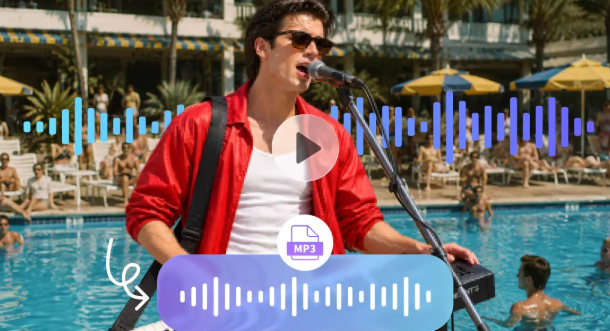
An attractive GUI isn’t the only consideration for a strong and immersive digital project. Voice, music, moods, and attention to small sounds can make or break a project’s video or storytelling experience. Seedaudio 2.0 is an AI-based tool designed to make audio development more accessible to a wide range of users. With Seedaudio 2.0, users build an audio experience around their ideas, as opposed to using the traditional methods of development, which include recording and drawing from existing audio libraries.
From Conception to Creative Execution
Traditional methods of audio development require a lot of work. First, an idea is written, and it is then recorded. Afterwards, it is edited, audio is chosen, it is mixed, and then it is finalized, among other steps. Each of these steps requires a different skill. Seedaudio 2.0 tries to be an assistant in the creative process by allowing the user to provide creative instructions and then making guesses at what the user may want to develop.
Growing Ideas with AI Tools
Sometimes, the best work is preceded by a rough idea. Some users may have a hypothetical character, a setting, a mood, etc., which helps bring an abstract thought to life. AI Audio can be beneficial at the idea-development phase.
Conversation Flow and Dialogue
Good dialogue is communication. Dialogue should not simply be a string of ideas. Emotion and flow should dominate the dialog. Likewise, the tools available should not dominate the narrative. Creators should use AI audio to their advantage to develop and evolve the emotional context of a conversation.
Unique Voices for Various Roles
A project may include a narrator, character, supporting cast, teacher, customer, interviewer, and other speaking roles. Over the years, character individuality has fueled a thriving market. Different voices elicit different interpretations, and creators should look to differentiate a cast with different vocal personalities.
Audio Can Tell a Story Without Words
Seedaudio 2.0: As important as it is in some cases to convey information through narration, it’s not always the case. Footsteps can show movement; wind can show an outdoor environment; a distant siren can create dramatic effect; and birds can show a tranquil environment.
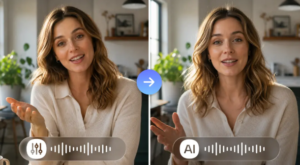
The Positive Effects of Multiple Possibilities in AI Creation
The ability to generate texts and images multiple times can be a blessing for creators. This is especially true when dealing with undefined and abstract concepts like “voice” or “music style”. Many variations can be created in the UI in a relatively short amount of time, and the final selection can be made once the direction is made clear. This helps developers explore new and unforeseen paths, and is definitely a positive aspect of this new technology.
How AI Can Help Small Creative Teams
Large studios have people dedicated to dialogue, music, sound effects, and several stages of the mixing process. Most small creative teams have to handle everything on their own. In the early stages of production, AI can provide support and help small teams test their ideas.
Tool for Independent Filmmakers
Most independent filmmakers have limited budgets. Some independent projects may not even be able to afford an audio team. These tools can help develop a script, test a scene, and create temporary voice-overs and placeholder sounds for acts of early planning. Even with professional editing, the early stages can be made much easier.
Animators Get Easy Assistance with AI Tools
The majority of the sounds that an animator creates interact with the visuals in some way, and almost all movement in an animation relies on some kind of sound. AI audio can create placeholder soundtracks for animators to help them visualize how a sequence will feel, and it can be very helpful for experimental soundtracks.
Support for Online Education
Videos should have easily digestible audio to communicate effectively. This means clear and easy-to-follow narration paired with background audio that does not overpower or distract. AI can aid in this process by helping experiment with various narrations and supporting audio.
Complex Audio Projects Organization
A single finalized project will contain several layers within. Dialogue could be on one track, music on another, and even more tracks for sound effects and background audio. Breaking these up enables creators to have more control over a project. This also means that one element can be changed without affecting the rest, therefore improving overall project workflow.
Long Form Audio Projects
One thing to keep in mind with long audio projects is to have a plan early on, before starting to produce long audio files. For a short project, it may not seem important, but for a complete audio story or even a podcast, this will guarantee a cohesive sound throughout the finished product. Tools similar to AI allow users to try out long audio files to simulate the production of a long-form project.
Creativity Does Not Always Require Complexity
Detailing a creative idea in overly complicated natural language is unnecessary for creators. A peaceful evening environment with slight and gentle background activity and oratory may simply be described with “easy and soft narration.” Clear communication will help the AI to best imagine the idea.
Final Thoughts
The ways we go about creating audio have always been in flux, and now with SeedAudio 2.0, creators can essentially come up with an idea and then build upon that idea with voices, music, effects, and atmosphere. Novices can use this, for example, to create and test potential ideas, concepts, or even foundations for an early version of their work. At the end of the day, SeedAudio 2.0 not so much eliminates the need for human creativity, but rather has the potential to accelerate the creative process by removing some of the tedious steps involved with early audio production.
Frequently Asked Questions
What does Seedaudio 2.0 do?
Seedaudio 2.0 is a tool to help creatives develop projects with Artificial Intelligence (AI) for audio elements of dialogue, voices, music, background atmospheres, audio effects, and more.
Can Seedaudio 2.0 create character voices?
Yes, Seedaudio 2.0 can help a creator develop different directions for a character’s voice by controlling the personality, emotion, and speaking style.
Is Seedaudio 2.0 applicable to podcasts?
Seedaudio 2.0 can help you create some parts of your podcast, e.g., the narration, the intro, the transitions, ambient audio, and supporting audio elements.
Does AI eliminate the need for sound production?
AI helps with ideas and options, but projects will still require sound designers, sound editors, mixers, and sound creatives.