


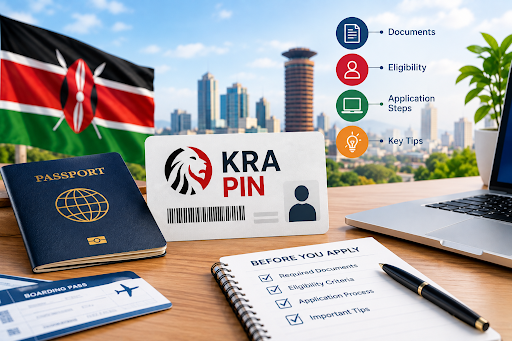
A KRA PIN is an important part of dealing with tax and various official transactions in Kenya. For many people, obtaining one is a straightforward administrative task, but the process can become confusing when they are not sure which information to provide, what type of registration applies to them, or what responsibilities come after registration.
For anyone who needs help applying for a KRA PIN in Kenya, knowing the basic requirements before starting the application can save time and reduce mistakes. Whether you are an employee, business owner, professional, landlord, or individual handling an official transaction, understanding how the registration process works gives you a better starting point.
What Is a KRA PIN?
A KRA PIN is a Personal Identification Number issued by the Kenya Revenue Authority. It is used to identify individuals and entities when they interact with the tax administration system and during certain official or financial transactions.
The number is connected to the taxpayer’s records and can be required for a variety of activities. Having a KRA PIN does not automatically mean that an individual has tax to pay. Tax liability depends on a person’s income, activities, and the tax rules that apply to their circumstances.
The PIN mainly provides an identification mechanism that allows KRA and other relevant institutions to associate transactions and tax records with the correct person or entity.
Why Do You Need a KRA PIN?
A KRA PIN may be required for several activities in Kenya. Employees may need one for employment related tax administration, while people running businesses can require it for business and tax matters.
It may also be requested during selected property transactions, financial processes, applications involving government institutions, and other official procedures.
The specific reason you need a PIN can affect the type of information you provide during registration. Someone registering as an individual may have different requirements from a company or another legal entity.
For this reason, identifying why you need the PIN before beginning the application is a useful first step.
How to Apply for a KRA PIN in Kenya
The KRA PIN application process is generally handled through KRA’s online tax services. Applicants provide personal or entity information and select the details that correspond with their circumstances.
Individual applicants should have their identification information available before starting. The information entered during registration should match the person’s official records.
A typical individual application can involve personal details, contact information, residential information, and information about employment, business, or other income related activities where applicable.
After entering the information, review the application carefully before submission. Incorrect identification details or inaccurate contact information can create difficulties when the PIN is later used for verification.
KRA PIN Registration Kenya for Individuals
For an individual, the registration process focuses largely on personal identification and taxpayer information. Kenyan citizens will generally need relevant identification details, while requirements can differ for other categories of applicants.
Applicants should enter their names exactly as they appear on their official identification documents. The same applies to identification numbers and other personal details.
Contact information should also be accurate. An active email address and telephone number can be useful for receiving communications and accessing relevant services.
If your circumstances involve employment, self employment, rental income, business activity, or another source of income, additional information may be relevant to your tax registration.
Documents Needed for KRA PIN Registration
The documents needed for KRA PIN registration depend on the applicant and the purpose of registration. Individual applicants should have their identification information readily available before beginning the process.
Some applications may require additional details relating to employment, business activities, residence, or other taxpayer information.
It is important to check the current requirements that apply to your specific category because KRA procedures and information requirements can change over time.
Preparing the relevant information before opening the application can make the process faster and reduce interruptions.
KRA PIN Application Requirements for Different Applicants
KRA PIN application requirements are not identical for every applicant. The information required can vary according to whether you are registering as an individual, business, company, partnership, or another type of entity.
Individual Applicants
An individual generally provides personal identification details, contact information, and other information relevant to their tax circumstances. The application may also ask about employment or economic activities.
Business Owners
A person operating a business may need information relating to the business and its activities. Depending on the legal structure, there can be a distinction between the owner’s personal tax registration and the registration of the business itself.
Business owners should therefore identify the correct taxpayer category before completing the application.
Companies and Other Entities
Companies and other registered entities can have separate tax registration requirements. Their applications may involve entity registration information, representative details, and information about the nature of their activities.
If you are applying on behalf of an organisation rather than yourself, checking the applicable requirements beforehand can prevent incorrect registration.
Information You Should Have Ready
Before starting the application, gather the information that is likely to be requested. Having everything available can make the process more convenient.
For an individual, this can include:
- Full legal name
- Identification details
- Date of birth
- Telephone number
- Active email address
- Residential information
- Employment details where applicable
- Business or income information where applicable
The exact requirements depend on the applicant’s circumstances. Avoid relying on information from another person’s application because the relevant tax obligations may be different.
Checking Your Information Before Submission
One of the most useful steps in the KRA PIN application process is reviewing your information before submitting it.
Check your name carefully against your official identification document. Review your identification number digit by digit and confirm that your contact details are correct.
You should also review the taxpayer information and tax obligations you have selected. Choosing information that does not reflect your actual circumstances can cause complications later.
Taking a few extra minutes to review the application can prevent errors that may take considerably longer to resolve.
What Happens After KRA PIN Registration?
After an application is submitted, it is processed through the relevant KRA system. Once registration is completed, the taxpayer can use the PIN for applicable transactions and tax related activities.
However, obtaining the PIN does not necessarily complete all of a taxpayer’s responsibilities.
Depending on your circumstances, you may have obligations relating to tax returns, payments, records, or other forms of compliance. These obligations can differ between employees, business owners, professionals, landlords, and other taxpayers.
Understanding what applies to you after receiving the PIN is therefore just as important as completing the initial registration.
Does a KRA PIN Mean You Have to Pay Tax?
Having a KRA PIN does not automatically mean that you have tax payable.
A PIN is primarily a taxpayer identification number. Whether you owe tax depends on factors such as income, taxable activities, applicable exemptions, and the relevant tax rules.
However, taxpayers should not assume that having no tax payable means there are no filing or reporting responsibilities. Certain obligations can apply even when there is no payment due.
If you are uncertain about your specific position, obtaining professional tax advice can help clarify what applies to you.
Common Problems With KRA PIN Applications
Applicants can encounter problems for several reasons. Incorrect personal information is one common source of difficulty.
For example, entering an identification number incorrectly can prevent information from matching existing records. Using an email address that you cannot access can also make communication more difficult.
Another potential issue is selecting an inappropriate taxpayer category or tax obligation. Applicants should consider their actual activities rather than selecting an option without checking what it means.
Submitting incomplete information can also delay the process. Reviewing the entire application before submission is a simple way to reduce these problems.
What If Your Details Change?
Your circumstances may change after you obtain a KRA PIN. You might change jobs, move to another residence, start a business, change your contact information, or begin another income generating activity.
When relevant, taxpayer records should be updated so that the information associated with your PIN remains accurate.
Keeping your information current can make future interactions with KRA and other institutions easier.
KRA PINs for Employees
Employees may need a KRA PIN as part of their employment and tax administration. New employees should provide accurate PIN information when requested by their employer.
Employment status can also affect a person’s tax obligations. Someone with only employment income may have a different tax situation from someone who receives income from employment and a separate business.
If your income sources change, review whether your tax registration information and obligations also need attention.
KRA PINs for Business Owners
For entrepreneurs, a KRA PIN can be an important part of managing business related tax affairs. However, business owners should distinguish between personal registration and the registration of a separate business entity.
The correct requirements can depend on how the business is structured and the activities it carries out.
A business owner who is unsure about the appropriate registration category should obtain clarification before submitting information that may later need correction.
Getting Professional Assistance
Although many people can complete their registration themselves, some situations can be more complicated. This can happen when a person has several income sources, operates a business, manages property, or has questions about existing tax records.
Professional assistance can be useful when you are uncertain about registration requirements or subsequent tax responsibilities. Gichuri & Partners can assist individuals and businesses with relevant tax matters and provide professional advice based on their circumstances.
Protecting Your KRA Information
Your KRA PIN is an important piece of tax identification information, so it should be handled responsibly.
Use official channels when submitting your tax information and be cautious when sharing personal details with third parties. Keep copies of relevant records and documents associated with your tax affairs.
If someone is helping you with a tax related process, make sure you understand what information they are requesting and why it is needed.
Final Thoughts
Knowing what to expect before starting the registration process can make obtaining a KRA PIN much easier. For anyone who needs help applying for a KRA PIN in Kenya, the first step is to identify the correct taxpayer category and prepare the information relevant to that category.
The KRA PIN application process requires accurate personal or entity information, and applicants should carefully review their details before submission. The documents needed for KRA PIN registration can vary depending on the applicant, so checking the current requirements is important.
A KRA PIN is more than just a number used on a form. It connects a taxpayer with their records within Kenya’s tax administration system and can be relevant to employment, business, financial, property, and other official activities.
Once you receive your PIN, pay attention to any tax filing or reporting responsibilities that apply to your circumstances. Keeping your records accurate and staying aware of your obligations can make future tax related processes considerably easier.