


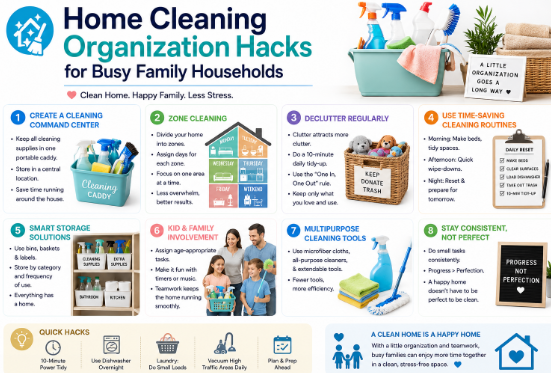
Introduction: The Importance of Cleaning Organization for Families
In today’s fast-paced world, busy family households often face the challenge of maintaining cleanliness and organization within their homes. Home cleaning organization is not merely a matter of aesthetics; it plays a vital role in the overall well-being of family members. Maintaining a clean and orderly environment leads to reduced stress levels, enhanced productivity, and promotes a healthier living space.
One of the primary benefits of a well-organized home is the positive impact it has on mental health. When spaces are clutter-free and clean, family members often experience a sense of calm and control amidst their hectic schedules. Clutter can evoke feelings of anxiety and overwhelm, making it difficult for individuals to focus on their responsibilities and enjoy quality time with loved ones. An organized household fosters a sense of accomplishment and peace, encouraging individuals to engage more fully in their daily activities.
Moreover, an organized home can significantly improve productivity. With busy schedules filled with work, school, and extracurricular activities, families may struggle to find time to tackle cleaning tasks. By implementing effective cleaning organization hacks, families can streamline their efforts, ensuring that cleaning routines are efficient and time-conserving. This not only allows more time for family bonding but also promotes a collaborative approach to household responsibilities, instilling a sense of teamwork among family members.
Additionally, a clean and organized home is essential for a healthy living environment. Dust, allergens, and clutter can contribute to respiratory problems and other health issues, particularly for young children and individuals with allergies. Prioritizing organization and cleanliness can minimize these risks, promoting the overall health of the family. Despite the challenges that busy families face in achieving this, effective cleaning organization strategies can lead to manageable routines that enhance the quality of life at home.
Assessing Your Home Cleaning Needs
Evaluating your home cleaning requirements is a vital step in creating an efficient cleaning routine that accommodates the dynamics of a busy family household. Every family is unique, and understanding the specific needs of your home can streamline your cleaning efforts significantly.
Begin by identifying the high-traffic areas within your home. Typically, spaces such as the living room, kitchen, and bathrooms experience the most footfall and require more frequent cleaning. Pay attention to corners, entryways, and commonly used surfaces as these are often the dirtiest. Make a note of these areas and prioritize them in your cleaning schedule.
Next, it’s essential to develop a list of cleaning tasks tailored to your family’s lifestyle. Consider the time you have available for cleaning—this includes daily, weekly, and monthly tasks. For instance, while vacuuming and wiping down countertops may be necessary on a daily basis, deep cleaning carpets or washing windows could be scheduled bi-weekly or monthly. This prioritization allows you to focus on what needs immediate attention while ensuring that less frequent duties are also taken care of.
Additionally, determine the frequency of cleaning tasks based on actual usage and mess levels. Families with young children or pets may find that their homes require more regular maintenance due to spills and pet hair. In contrast, a household with fewer members may not need the same level of attention. With this analysis, create a personalized cleaning checklist that reflects your household’s unique routines and habits.
By conducting a thorough assessment of your home cleaning needs, you can establish a systematic approach that maximizes efficiency while accommodating your family’s busy lifestyle. This foundational step is crucial in ensuring a clean and organized living environment.
Creating a Family Cleaning Schedule
Creating an effective family cleaning schedule is a crucial strategy for maintaining a tidy home, especially in busy households where time often flies by. Begin by assessing the specific cleaning tasks needed in your home. Common duties may include dusting, vacuuming, dishwashing, and bathroom cleaning. Knowing what needs to be done will help you assign responsibilities appropriately.
One effective way to structure your cleaning schedule is by designating specific tasks to each family member. This not only fosters a sense of accountability but also teaches children the importance of teamwork. You might assign age-appropriate tasks; for instance, younger children can handle simple jobs like organizing their toys while older kids can take on more complex chores, such as vacuuming or taking out the trash. This shared responsibility nurtures independence and helps ease the workload on busy parents.
Incorporating a rotating cleaning chart can also be beneficial. Such a chart can help ensure that responsibilities are distributed evenly and that no one person feels overwhelmed. By rotating tasks on a weekly or monthly basis, family members can gain experience in various duties and discover which chores they prefer. This approach can help maintain motivation across the board.
Lastly, consider scheduling quick clean-up sessions throughout the day. Dedicating just 10 to 15 minutes for targeted cleaning, such as decluttering the living room or tidying up the kitchen after meals, can make a significant difference. This practice not only keeps your home more organized but also reduces the pressure of having to do extensive cleaning all at once. By planning and incorporating these strategies into your daily routine, you can develop a cleaning schedule that accommodates your family’s busy lifestyle while ensuring that every member contributes to the overall cleanliness of your home.
Smart Storage Solutions for Clutter-Free Spaces
In today’s busy family households, maintaining a clutter-free environment can be challenging. However, innovative storage solutions can significantly streamline this process. One effective method is utilizing under-bed storage. This often-overlooked space can be transformed into a practical storage area for items such as seasonal clothing, shoes, or even toys. By incorporating storage bins or drawers that fit under your beds, families can maximize their living areas while keeping essential items conveniently accessible.
Another smart strategy involves repurposing existing furniture for dual use. For instance, coffee tables or ottomans that offer hidden compartments can serve as stylish yet functional storage options. Such furniture not only enhances the aesthetic of a room but also provides families with extra space to store books, blankets, or games, minimizing the risk of clutter accumulating in family rooms.
Employing clear bins is another practical solution. These bins allow for easy visibility and organization of items, making it simple for family members to find what they are looking for quickly. Whether it is in closets, playrooms, or garages, labeling these bins can further enhance efficiency, ensuring that everyone knows where to locate and return items. This method works particularly well for managing toys, craft supplies, or sports equipment, as it not only promotes tidiness but also encourages children to participate in the clean-up process.
By integrating these smart storage solutions into your home, it becomes easier to maintain a tidy environment, reducing stress and contributing to a more harmonious living space for busy families. Maximizing available space while ensuring essential items are easily accessible can transform the home into a more functional and enjoyable place to live.
Incorporating Kids into Cleaning Routines
Involving children in cleaning routines can be an effective way to instill a sense of responsibility while making the task more enjoyable for the entire family. By assigning age-appropriate chores, parents can foster a sense of accomplishment in their children. For instance, younger children may help with simpler tasks such as picking up toys, dusting low surfaces, or sorting laundry by colors. As children grow older, the complexity of their responsibilities can increase, encouraging them to contribute to more challenging tasks like vacuuming or washing dishes.
To make cleaning more engaging, consider incorporating games into the process. For example, setting a timer for a quick clean-up session can turn chores into a friendly competition, prompting children to race against the clock. Additionally, creating a reward system can motivate kids to take part in household responsibilities. Small prizes for completing a series of tasks can transform mundane cleaning into an action-packed adventure.
Education is another powerful tool when involving children in cleaning routines. Explaining the significance of cleanliness helps children understand the connection between a tidy home and their well-being. Using real-life examples, such as the benefits of maintaining a clean environment for health and safety, allows kids to appreciate their role in the household. Parents can further facilitate learning by integrating discussions on organization and cleanliness into daily routines—transforming the home into a living classroom.
Ultimately, incorporating kids into cleaning routines not only reduces the burden on parents but also strengthens family bonds. When children actively participate, they develop life skills that will benefit them in future endeavors. By applying these techniques for engaging children in household cleaning activities, families can create a harmonious environment that promotes cleanliness and accountability among all members.
Time-Saving Cleaning Hacks and Techniques
For busy families, finding effective cleaning solutions that save time is paramount. One of the most powerful time-saving techniques is the use of multifunctional cleaning tools. Tools such as vacuum cleaners with both vacuum and mop functions can significantly reduce the time spent on multiple chores. Additionally, investing in a robotic vacuum can allow for daily floor cleaning without manual effort, helping busy parents maintain cleanliness with minimal intervention.
Creating a cleaning schedule is another essential strategy. By breaking down household cleaning into manageable daily tasks, families can avoid overwhelming cleaning sessions that consume entire weekends. For instance, dedicating 15 minutes each day to a specific room or task can keep the home tidy and organized without extensive time commitments. Utilizing a timer can enhance productivity, as families can challenge themselves to complete tasks more efficiently.
Multitasking while cleaning can also yield considerable time savings. For example, while cooking, one can wipe down surfaces, put away dishes, or load the dishwasher. This approach allows tasks to overlap, maximizing the use of time during regular family activities. Moreover, involving children in daily cleaning tasks can transform chores into fun family activities, teaching them responsibility while reducing the parents’ workload.
Another effective hack is to declutter before cleaning. By removing items that do not belong in a space, the cleaning process becomes much quicker and more efficient. Additionally, implementing a ‘one in, one out’ policy for toys and household items can help manage clutter and ensure that cleaning remains manageable. Finally, using caddies or baskets to organize cleaning supplies in each room can facilitate easy access and streamline cleaning efforts.
Using Technology to Stay Organized
In today’s fast-paced world, families often struggle to keep their homes clean and organized amidst busy schedules. Fortunately, technology can play a significant role in facilitating home cleaning organization. By leveraging various digital tools, families can create efficient cleaning routines and stay up to date with their chores.
One of the most effective ways to manage cleaning tasks is through cleaning apps. Numerous applications are specifically designed to help users schedule, track, and complete cleaning tasks. These apps often feature customizable checklists and reminders, allowing families to assign tasks to different members, ensuring that everyone participates in maintaining the household’s cleanliness. Popular options include OurHome and Clean My House, which offer user-friendly interfaces to streamline chores effectively.
Additionally, utilizing digital calendars, such as Google Calendar or Apple Calendar, can help families stay organized. By inputting regular cleaning tasks and setting reminders, families are less likely to forget important chores. For instance, scheduling deep cleaning tasks, such as vacuuming or dusting, on specific days can prevent them from being overlooked. This also allows family members to allocate specific time slots for cleaning activities, keeping household responsibilities clear and manageable.
Moreover, online resources provide a wealth of information on cleaning hacks and strategies. Websites and blogs often share tips on how to maximize efficiency using technology. Tutorials detailing time-saving cleaning techniques or innovative products can also be accessed online, giving families fresh ideas to incorporate into their routines. Utilizing these resources can elevate cleaning practices, transforming them from mundane tasks into achievable goals.
By integrating technology into cleaning routines, busy families can enhance their organizational skills, ensuring their homes remain tidy and inviting. Overall, the use of digital tools simplifies the cleaning process, enabling families to manage their time effectively while maintaining a clean environment.
Maintaining a Cleaning Routine
Establishing a consistent cleaning routine is essential for busy families striving to maintain an organized and tidy home. Routine cleanliness not only contributes to a more pleasant living environment but also reduces stress levels associated with clutter and mess. A well-planned schedule enables family members to share responsibilities, ensuring that no one person is overwhelmed by household chores.
One effective strategy to stick to a cleaning schedule is to involve every family member. Assigning specific tasks tailored to each person’s capability and availability fosters a sense of ownership and accountability towards household cleanliness. For example, children can handle lighter duties, such as tidying their toys or assisting with dishes, while adults can manage heavier tasks like vacuuming or deep-cleaning bathrooms. By integrating everyone’s effort, maintaining a clean environment becomes a shared family goal.
As family needs evolve, the cleaning routine may require modification to accommodate changes in schedules, new obligations, or different age-related capabilities. For instance, during school vacations, there may be time for deeper cleaning projects, while during the academic year, faster daily tasks might be more practical. Flexible routines allow families to prioritize their time effectively, ensuring that cleaning does not obstruct family bonding or essential activities.
Common setbacks, such as unexpected events or increased workloads, can derail even the best-laid plans. To combat this, it is crucial to establish a fallback routine—simpler tasks that can be executed in a short timeframe. For example, a 10-minute tidy-up session each day can significantly alleviate the clutter without requiring extensive time commitments. Creating an adaptable cleaning strategy minimizes disruption while maintaining a commitment to a consistently clean home.
Conclusion: Embracing a Clean and Organized Home
In our fast-paced lives, particularly for busy families, maintaining a clean and organized home can often feel like a daunting task. However, as discussed in this blog post, implementing effective home cleaning and organizational hacks can significantly alleviate this burden. The strategies outlined not only streamline daily chores but also foster a more harmonious living environment.
By adopting simple yet effective cleaning routines, such as setting aside specific times for tidying up or utilizing multipurpose cleaning products, families can ensure that their homes remain welcoming and clutter-free. Furthermore, establishing dedicated areas for items often misplaced can save valuable time and reduce the stress that accompanies trying to locate missing belongings. Emphasizing teamwork among family members in these tasks not only divides the workload but also encourages cooperative responsibility for the household.
Moreover, the long-term benefits of maintaining a clean and organized space extend beyond mere aesthetics. A tidy home can lead to improved mental clarity, reduced anxiety, and an overall sense of well-being for every family member. As families transition to these new habits, they create a more pleasant atmosphere conducive to relaxation and bonding, which is essential for a thriving family life.
Ultimately, the journey toward a clean and organized home is ongoing. By committing to these practices and building lasting habits, families can cultivate an environment that not only supports their present needs but also enhances their future quality of life. Consistency and dedication to these cleaning hacks will lead to a well-maintained home, thus contributing positively to overall family well-being.