


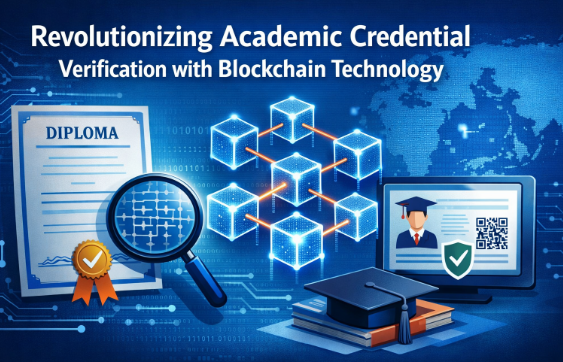
Introduction to Blockchain Technology
Blockchain technology is an innovative system that enables the secure and transparent storing of data across a distributed network. Originally developed as the backbone for cryptocurrencies, its applications have expanded into various sectors, including education, finance, and supply chain management. This increase in utilization highlights the key features that make blockchain a transformative force in data handling and verification.
One of the fundamental characteristics of blockchain is decentralization. Unlike traditional databases that rely on a central authority to manage the data, a blockchain operates through a network of nodes. Each node maintains a copy of the entire blockchain, ensuring that no single entity has control over the information. This decentralization enhances security, as it eliminates the risk of data manipulation by a central party. Additionally, it promotes trust among users by making the verification process more transparent.
Another critical feature of blockchain technology is its immutability. Once data is recorded on a blockchain, it is exceedingly difficult to alter or delete. This characteristic is essential for maintaining accurate records, particularly in sectors like education, where the integrity of academic transcripts and credentials is paramount. The immutability of blockchain ensures that any changes to the data are easily traceable, further enhancing the reliability of the information stored.
Transparency is also a pivotal element of blockchain technology. In a typical blockchain application, all participants in the network can view the same set of data, which is updated in real-time when transactions occur. This transparency fosters accountability, as every transaction is publicly recorded, reducing the chances of fraud or discrepancies. As a result, educational institutions and employers can confidently verify the qualifications of individuals, making the credential verification process more efficient and trustworthy.
The Challenge of Credential Verification in Education
Academic credential verification has long been an essential process within the educational landscape. Traditional methods primarily involve manual assessments of documents such as diplomas, degrees, and certifications. Educational institutions, employers, and students often require verification to maintain integrity and ensure that qualifications are authentic. However, these traditional methods face significant challenges.
One of the primary limitations of historical verification processes is their susceptibility to fraud. As instances of forged diplomas and counterfeit qualifications increase, it becomes more challenging for institutions and employers to trust the authenticity of academic credentials. This issue is further compounded by the widespread usage of online degree programs, which can make it even easier for individuals to misrepresent their qualifications.
Additionally, the conventional methods of credential verification are often time-consuming and labor-intensive. Manual checks require substantial resources, leading to delays in hiring processes or admissions. Those seeking employment or admission frequently face hurdles due to extended verification times, which can discourage them from pursuing opportunities.
Moreover, the lack of standardized verification techniques among institutions raises further concerns. Different universities and colleges may have varying procedures for issuing and verifying credentials, resulting in inconsistencies in how qualifications are perceived. This discrepancy can create confusion for employers who may not be familiar with the issuing institution or its standards.
In a rapidly evolving educational environment, the demand for more efficient solutions is critical. The challenges associated with traditional credential verification methods underscore the need for modern innovations that can provide more secure, reliable, and timely verification processes. In light of these issues, blockchain technology emerges as a promising alternative to address the limitations inherent in existing systems.
How Blockchain is Applied in Academic Credential Verification
Blockchain technology presents significant advancements in the sphere of academic credential verification. Primarily, it enables the creation of digital diplomas that are secure, transparent, and easily accessible. Unlike traditional paper diplomas that can be easily lost or forged, digital diplomas stored on a blockchain serve as immutable records of a graduate’s achievements. Each diploma is linked to the student’s unique blockchain ID, ensuring that credentials can be verified with minimal risk of tampering.
Furthermore, the implementation of smart contracts is integral to the verification process. Smart contracts are self-executing contracts with the terms directly written into code, which can automate and streamline the verification of academic credentials. For instance, once an educational institution issues a diploma, the smart contract automatically creates a record on the blockchain, ensuring that the credential is recorded without the possibility of manual interference. This process not only speeds up verification but also reduces administrative costs and complexities typically associated with traditional verification methods.
Additionally, blockchain allows for the issuance of tamper-proof credentials. By utilizing cryptographic techniques, information stored on the blockchain is secured against unauthorized changes. Institutions can add layers of verification to each credential, including digital signatures and timestamps, enhancing trust in the authenticity of the information. Employers and other stakeholders can access a graduate’s credentials directly from the blockchain, allowing for instant verification without navigating through bureaucratic channels.
In essence, the application of blockchain technology in academic credential verification not only simplifies the process but also ensures the integrity and authenticity of academic records. As educational institutions increasingly adopt this avant-garde technology, the landscape of credential verification is poised for a revolutionary transformation.
Case Studies: Successful Implementations of Blockchain in Education
As the educational landscape evolves, a growing number of institutions are beginning to embrace blockchain technology for the verification of academic credentials. Notable implementations demonstrate the efficacy and transformative potential of this approach.
One prominent example is the Massachusetts Institute of Technology (MIT), which in 2017 began issuing digital diplomas on the blockchain. Through the MIT Media Lab’s initiative, graduates can securely store their diplomas on a blockchain network, allowing for easy verification by employers and other institutions. This system not only reduces the risk of diploma fraud but also empowers graduates to take ownership of their credentials, fostering a more transparent and trustworthy verification process.
Another significant case is the University of Nicosia in Cyprus, which implemented blockchain for storing academic credentials as early as 2014. The university offers courses in blockchain technology and issues certificates that reside permanently on the blockchain. This initiative has attracted international attention and positioned the university as a leader in the academic blockchain domain. The effectiveness of their approach has led to enhanced institutional reputation and increased student trust.
Furthermore, in Australia, Charles Sturt University has collaborated with OpenLedger to develop a blockchain-based solution for credential verification. Their platform assures students and employers of the legitimacy of qualifications while streamlining the verification process. By integrating blockchain technology, Charles Sturt University has improved the security and accessibility of academic records, making it easier for graduates to share their achievements.
Through these case studies, it becomes evident that the integration of blockchain technology in academic credential verification not only enhances security and efficiency but also builds confidence among stakeholders involved in the education sector. As more institutions recognize the advantages of blockchain, it is likely that this trend will gain further momentum.
Benefits of Using Blockchain for Credential Verification
The implementation of blockchain technology for academic credential verification offers numerous advantages that can significantly improve the current processes. One of the primary benefits is enhanced security. Blockchain’s decentralized nature ensures that data is not stored in a single location, making it considerably more difficult for unauthorized parties to alter or manipulate credential information. Each transaction is recorded in a manner that is immutable, providing a robust safeguard against fraudulent activities.
Another significant advantage is the reduction in fraud. Traditional methods of verifying academic credentials often involve time-consuming processes that are vulnerable to forgery and misrepresentation. With blockchain, each credential is recorded in a way that creates a trustworthy and verifiable digital record, making it easier to identify fraudulent documents. This enhanced transparency creates a safer environment for both educational institutions and employers.
Increased efficiency is also a notable benefit of adopting blockchain for credential verification. The traditional approach requires multiple intermediaries, which can lead to delays in processing time and additional costs. Blockchain enables real-time verification, allowing stakeholders to access verified credentials instantly without extensive administrative burdens. This streamlined process not only saves time but also minimizes resource allocation, allowing institutions to focus on other critical areas.
Ultimately, improved trust emerges as a key advantage of blockchain-based credential verification. As stakeholders—such as educational institutions and employers—gain access to transparent, verifiable information, the level of trust in the integrity of academic credentials increases. This fosters more meaningful relationships between institutions and employers, facilitating better employment outcomes for graduates. By utilizing blockchain, the educational and employment sectors can instill confidence in the authenticity of credentials.
Potential Challenges and Limitations of Blockchain in Education
While the incorporation of blockchain technology in academic credential verification holds significant promise, it is essential to recognize the potential challenges and limitations that may hinder its widespread adoption. One of the foremost challenges is the technological barrier associated with implementing blockchain solutions. Educational institutions may require substantial investments in infrastructure and training to effectively utilize blockchain systems. This can be particularly daunting for smaller institutions or those with limited resources, potentially leading to disparities in access.
Moreover, there are legal concerns relating to privacy and data protection. Blockchain operates on the principle of decentralization, where information is stored across multiple nodes. This raises questions about how personal data of students will be safeguarded, especially in jurisdictions with strict data protection regulations, such as the General Data Protection Regulation (GDPR) in Europe. Institutions must navigate the complex intersection of emerging technology and existing laws to ensure compliance while utilizing blockchain effectively.
Additionally, there is a pressing need for widespread acceptance and collaboration among various stakeholders within the education sector. For blockchain credential verification to succeed, universities, employers, and regulatory bodies must collaborate and recognize blockchain-based credentials. This widespread acceptance is challenging given the traditional systems in place, which often prioritize established methods of verification. Without a unified approach, the benefits of blockchain in enhancing transparency and trust in academic credentials may not be fully realized.
Finally, the dynamic nature of blockchain technology means that institutions need to remain agile and forward-thinking to adapt to rapid advancements. This requires ongoing investment in knowledge and infrastructure, posing another hurdle for educational entities. Therefore, while the advantages of blockchain in educational credential verification are compelling, it is crucial to address these challenges thoughtfully.
Future Trends in Blockchain and Education
The integration of blockchain technology within the education sector stands poised to transform how academic credentials are verified and managed. As institutions increasingly recognize the benefits of decentralized record-keeping, several future trends are anticipated to emerge, potentially influencing educational practices significantly.
One promising trend is the enhancement of transparency and security in credential verification processes. With the incorporation of blockchain, academic records can be stored securely, reducing vulnerabilities linked to traditional methods. This technology offers a tamper-proof solution that assures employers and educational institutions of the authenticity of degrees and certifications. As blockchain networks mature, we may witness a widespread standardization of credential verification that transcends geographical and institutional boundaries, creating a more globalized education landscape.
Moreover, the rise of micro-credentialing and personalized learning paths may flourish alongside blockchain implementations. Future innovations might allow institutions to issue blockchain-based certificates for micro-credentials, thereby recognizing smaller units of learning and skill acquisition. This shift could cater to the evolving needs of the workforce, enabling learners to demonstrate competencies beyond traditional degrees. As educational institutions adapt, we can expect the development of more flexible and personalized educational offerings that leverage blockchain technology for record-keeping.
Another prospective development involves the collaboration between educational institutions and tech companies. As partnerships are forged, we may see the development of platforms that streamline enrollment and assessment processes using blockchain. Such integrations could facilitate seamless transitions for learners pursuing different qualifications and help institutions manage student information more efficiently.
In conclusion, the future of blockchain in education is bright, driven by advancements that promise to enhance transparency, security, and personalization in academic credentialing. By harnessing blockchain technology, the education sector can move towards a more authentic and collaborative environment for learners and institutions alike.
Conclusion: The Future of Credential Verification
As discussed throughout this blog post, the emergence of blockchain technology offers a transformative approach to academic credential verification. The potential of blockchain lies in its capacity to provide a secure, transparent, and immutable platform for storing educational achievements, which benefits all stakeholders involved—including students, educational institutions, and employers.
The conventional methods of verifying academic credentials often entail cumbersome processes, prone to inaccuracies, fraud, and time delays. In contrast, utilizing blockchain for credential verification streamlines this process, enabling instant access to verified information. This shift enhances trust, reduces the risk of fraudulent claims, and simplifies the verification process, making it more efficient for potential employers assessing candidates.
Moreover, the implementation of blockchain technology in credential verification fosters a global standard, allowing institutions and employers worldwide to engage with a single, reliable source of truth. By adopting this innovative solution, we can reduce operational overheads and improve the overall quality of recruiting practices across various sectors.
In light of these advancements, it is essential for educational institutions, employers, and regulatory bodies to explore and adopt blockchain technology. Embracing this paradigm shift could lead to a more reliable and efficient ecosystem for academic credential verification. The advent of blockchain not only represents a technical innovation but also signifies a future where educational achievements are universally recognized and easily verified. As we progress, the adaptability of stakeholders will be crucial to ensuring a successful transition to this new system, paving the way for secure and efficient academic credential verification.
Embracing Innovation in Academia
The advent of blockchain technology presents an unprecedented opportunity for academic institutions, employers, and students to enhance the verification of credentials. As the landscape of education continues to evolve, it is imperative for all stakeholders to recognize the significance of this transformative technology. Embracing blockchain for academic credential verification not only streamlines processes but also fosters trust and security in the representation of educational achievements.
For educational institutions, integrating blockchain into their credentialing systems can facilitate a more robust and efficient verification process. Institutions should begin by evaluating current systems and exploring partnerships with blockchain solution providers. Training staff and administrators on the strengths and functionalities of blockchain will be essential in ensuring the successful implementation of this technology. By actively participating in pilot programs, these institutions can lead the charge and become pioneers in the adoption of a more transparent and secure credentialing framework.
Employers, too, should take proactive steps in adopting systems that leverage blockchain’s capabilities. By prioritizing these verifiable credentials, they can eliminate the time-consuming processes associated with traditional verification methods. Collaborating with educational institutions that have already embraced blockchain can accelerate this shift, allowing employers to streamline hiring practices while ensuring they are selecting candidates based on verified accomplishments.
Students, as the primary beneficiaries of these advancements, should educate themselves about how blockchain technology can impact their academic and professional journey. They can advocate for the adoption of blockchain in their institutions and explore opportunities to gain credentials that are secured on the blockchain. This proactive approach empowers them to take control of their educational narratives, ensuring their achievements are permanently and securely recorded.
In conclusion, the integration of blockchain technology into academic credential verification is an essential step forward. By embracing this innovation, educational institutions, employers, and students alike can pave the way for a more efficient, secure, and trustworthy future in academia.