


Understanding Cholesterol: The Basics
Cholesterol is a waxy, fat-like substance that is essential for the formation of cell membranes, certain hormones, and vitamin D. It is produced by the liver and is also obtained from dietary sources. Cholesterol travels through the bloodstream, attached to proteins, forming what is known as lipoproteins. There are two primary types of these lipoproteins: low-density lipoprotein (LDL) and high-density lipoprotein (HDL).
LDL cholesterol is often referred to as “bad” cholesterol because high levels can lead to the buildup of plaque in arteries, which can increase the risk of heart disease and stroke. On the other hand, HDL cholesterol is known as “good” cholesterol; it helps remove LDL cholesterol from the bloodstream and transports it back to the liver for excretion. A higher level of HDL cholesterol is linked to a lower risk of heart disease.
Managing cholesterol levels is crucial for maintaining heart health. Elevated LDL levels can contribute to cardiovascular issues, thereby highlighting the importance of monitoring and regulating cholesterol through lifestyle choices. Diet plays a significant role in influencing cholesterol levels. Foods high in saturated fats and trans fats can increase LDL cholesterol, while fruits, vegetables, whole grains, and healthy fats can enhance HDL cholesterol and lower LDL levels.
Understanding the balance between LDL and HDL cholesterol is vital in creating a diet conducive to heart health. By making informed dietary choices, individuals can effectively work towards reducing cholesterol levels, thereby promoting overall well-being while minimizing the risks associated with cardiovascular ailments.
The Role of a Balanced Diet in Managing Cholesterol
A balanced diet plays a crucial role in managing cholesterol levels and promoting heart health. It involves the intake of appropriate proportions of proteins, carbohydrates, fats, vitamins, and minerals necessary for optimal body function. Specifically, an emphasis on whole foods can significantly impact one’s cholesterol levels. Foods rich in dietary fiber, such as fruits, vegetables, legumes, and whole grains, are particularly beneficial. These foods help lower low-density lipoprotein (LDL) cholesterol, often referred to as “bad” cholesterol, by binding to cholesterol in the digestive system and facilitating its excretion.
Moreover, incorporating healthy fats into one’s diet is essential for maintaining a balanced lipid profile. Unsaturated fats, found in fish, avocados, nuts, and olive oil, can help increase high-density lipoprotein (HDL) cholesterol, known as “good” cholesterol. These fats reduce the risk of heart disease by preventing cholesterol buildup in arteries. On the contrary, processed foods high in trans fats—as found in many fried and baked goods—should be avoided as they can raise LDL levels while lowering HDL cholesterol.
In addition to choosing healthier fat sources, reducing sugar intake is vital for maintaining balanced cholesterol levels. Excessive sugar consumption can lead to weight gain and a higher risk of metabolic syndrome, which is often accompanied by elevated cholesterol and triglyceride levels. Furthermore, the inclusion of plant sterols and stanols, which can be found in fortified foods and dietary supplements, may also contribute to lower cholesterol levels by competing with cholesterol for absorption in the intestines.
In summary, a balanced diet focused on whole, nutrient-rich foods is fundamental in managing cholesterol levels effectively. By prioritizing fiber-rich foods, healthy fats, and minimizing sugar and processed food intake, individuals can take proactive steps toward achieving and maintaining healthy cholesterol levels and overall well-being.
Foods to Embrace: Cholesterol-Lowering Superfoods
Incorporating certain foods into one’s diet can significantly aid in lowering cholesterol levels. A range of cholesterol-lowering superfoods is available, each offering unique benefits. Notably, fruits and vegetables are rich in vitamins, minerals, and fiber, playing an essential role in heart health. Berries, for example, are packed with antioxidants, which can help reduce LDL cholesterol levels. Moreover, apples, with their rich pectin content, may effectively lower cholesterol by binding to dietary cholesterol in the intestine and helping to remove it from the body.
Whole grains also deserve special mention as they are excellent sources of soluble fiber. Oats, barley, and quinoa can contribute to lower cholesterol levels by reducing the absorption of fat in the bloodstream. Regular consumption of these grains not only supports heart health but also promotes overall digestive health.
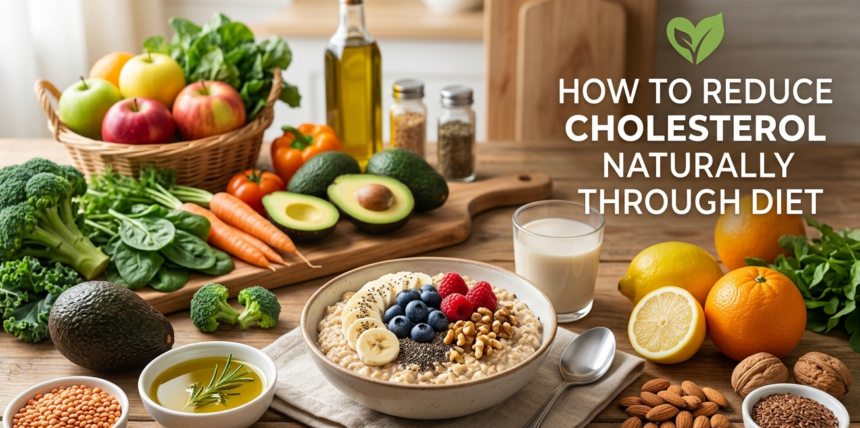
Additionally, incorporating healthy fats is crucial in a cholesterol-lowering diet. Foods like avocados and nuts are rich in monounsaturated fats, which can improve cholesterol levels by reducing bad LDL cholesterol while promoting good HDL cholesterol. Olive oil, another healthy fat, is known to provide anti-inflammatory properties and improve overall cardiovascular health. This type of fat is an excellent substitute for saturated fats commonly found in butter and processed foods.
Furthermore, legumes, such as beans and lentils, are fantastic sources of protein and fiber. They help decrease LDL cholesterol when included in meals regularly. Lastly, fatty fish like salmon, mackerel, and sardines, are rich in omega-3 fatty acids, contributing to heart health by lowering triglycerides and increasing HDL cholesterol.
Foods to Avoid: Making Informed Dietary Choices
When striving to reduce cholesterol levels naturally through diet, it is crucial to be aware of certain foods that can contribute to elevated cholesterol. The first group to consider is trans fats, which are often found in partially hydrogenated oils used in many processed foods. These fats not only increase low-density lipoprotein (LDL) cholesterol, commonly referred to as “bad” cholesterol, but they also lower high-density lipoprotein (HDL) cholesterol, the “good” kind. Foods such as baked goods, margarine, and fried items should be scrutinized for their trans fat content.
Next, saturated fats also warrant attention, as they can significantly affect cholesterol levels. Saturated fats are predominantly present in animal products, including fatty cuts of meat, full-fat dairy products, and certain oils like coconut and palm oil. Limitations on these foods can lead to a healthier cholesterol profile. Carefully reading food labels is vital to understand the type and amount of fat contained in packaged items, which can vary greatly.
In addition to trans and saturated fats, processed foods, which often contain additives, preservatives, and high levels of sugar and salt, should be avoided. Such foods not only pose risks for cholesterol levels but also contribute to overall health issues. Choosing whole and unprocessed foods can provide more nutritional benefits. Moreover, replacing unhealthy options with healthier alternatives, such as opting for olive oil instead of butter or selecting lean proteins like chicken or fish over fatty meats, can facilitate positive dietary changes.
In conclusion, making informed dietary choices by avoiding trans fats, saturated fats, and processed foods plays a crucial role in managing cholesterol levels. By focusing on healthful substitutions and being vigilant in label reading, individuals can significantly enhance their overall heart health.
Incorporating Fiber into Your Diet
Dietary fiber plays a crucial role in maintaining heart health and managing cholesterol levels. It can be categorized into two primary types: soluble and insoluble fiber. Soluble fiber dissolves in water and forms a gel-like substance in the digestive tract, which can help lower blood cholesterol levels by binding cholesterol and bile acids in the gut, facilitating their excretion. Excellent sources of soluble fiber include oats, beans, lentils, apples, and citrus fruits.
In contrast, insoluble fiber does not dissolve in water and aids in promoting regular bowel movements by adding bulk to the stool. This type of fiber is found in whole grains, nuts, and vegetables such as cauliflower, green beans, and potatoes. Though both types of fiber are essential for gastrointestinal health, increasing soluble fiber intake is particularly effective in reducing cholesterol levels.
To incorporate more fiber into your daily diet, consider these practical tips: start your day with a bowl of oatmeal topped with fruit; choose whole-grain bread or pasta instead of refined varieties; and snack on raw vegetables, fruits, or nuts instead of processed snacks. Additionally, aim to include legumes such as beans or lentils in soups and salads, as they are fiber powerhouses.
Gradually increasing your fiber intake while ensuring adequate hydration is also vital, as sudden increases can lead to digestive discomfort. Aim for a daily fiber intake of at least 25 grams for women and 38 grams for men, adjusting these targets based on individual dietary needs. By consciously including fiber-rich foods in your meals, you can effectively support your body’s efforts in lowering cholesterol naturally.
The Beneficial Impact of Omega-3 Fatty Acids
Omega-3 fatty acids play a crucial role in promoting heart health and managing cholesterol levels. These essential fats, which cannot be synthesized by the body, are known for their anti-inflammatory properties and their ability to positively influence lipid profiles. Studies have shown that regular consumption of omega-3 fatty acids can reduce levels of triglycerides, a type of fat in the blood that is linked to heart disease, while increasing levels of high-density lipoprotein (HDL), commonly referred to as “good” cholesterol.
Sources of omega-3 fatty acids include fatty fish such as salmon, mackerel, and sardines. These fish are particularly rich in two types of omega-3s: eicosapentaenoic acid (EPA) and docosahexaenoic acid (DHA), which are the most beneficial for heart health. For those who prefer plant-based options, flaxseeds, chia seeds, and walnuts are excellent sources of alpha-linolenic acid (ALA), another type of omega-3 fatty acid. Incorporating these foods into your diet can be both simple and enjoyable.
To increase your intake of omega-3 fatty acids, consider adding fatty fish to your meals at least twice a week. Grilling or baking fish preserves its healthy properties while providing a delicious main course. Flaxseeds can be sprinkled on cereals or blended into smoothies, while walnuts can serve as a nutritious snack or salad topping. If you’re not fond of seafood, omega-3 supplements are also available, but consulting a healthcare professional before starting any supplement regimen is advisable.
Incorporating omega-3 fatty acids into your diet serves not only as a means to support cholesterol management but also enhances overall cardiovascular health, making it a beneficial addition to a heart-healthy dietary approach.
Lifestyle Changes and Their Effect on Cholesterol
Managing cholesterol levels effectively extends beyond dietary changes; it also encompasses various lifestyle modifications that can promote overall heart health. One of the most significant lifestyle changes is incorporating regular exercise into daily routines. Engaging in physical activities such as walking, jogging, cycling, or swimming can help reduce low-density lipoprotein (LDL) cholesterol, commonly referred to as “bad” cholesterol, while elevating high-density lipoprotein (HDL) cholesterol, known as “good” cholesterol. Aim for at least 150 minutes of moderate-intensity aerobic activity each week to achieve optimal results.
Weight management is another crucial factor in naturally lowering cholesterol levels. Maintaining a healthy weight can significantly impact overall cholesterol levels, as excess body weight is correlated with higher LDL cholesterol. Implementing a balanced diet, rich in fruits, vegetables, whole grains, and lean proteins, can assist in weight loss and subsequently improve cholesterol metrics. Even a modest reduction in weight—5 to 10%—can yield substantial benefits in cholesterol levels and heart health.
The importance of avoiding smoking cannot be overstated, as smoking contributes to the oxidation of LDL cholesterol, making it more harmful. Quitting smoking can improve HDL cholesterol levels and enhance overall cardiovascular health, positively affecting cholesterol levels. Additionally, managing stress levels through techniques such as mindfulness, yoga, or meditation can also play a role in cholesterol regulation and overall heart health.
Making consistent lifestyle changes, including regular exercise, weight management, and smoking cessation, can lead to a significant reduction in cholesterol levels. These modifications not only contribute to better cholesterol profiles but also support overall health and well-being.
Monitoring Your Progress: Keeping Track of Cholesterol Levels
Monitoring your cholesterol levels is an essential component of managing your heart health and reducing cholesterol naturally through diet. Regular testing allows individuals to gauge the effectiveness of dietary changes aimed at lowering cholesterol. It is generally recommended to check cholesterol levels every 4 to 6 years for adults, but those with a family history of high cholesterol or heart disease may need to test more frequently.
Cholesterol is measured through a blood test known as a lipid panel, which evaluates the levels of total cholesterol, low-density lipoprotein (LDL), high-density lipoprotein (HDL), and triglycerides. Understanding these numbers is crucial. A total cholesterol level below 200 mg/dL is considered healthy, while levels between 200 and 239 mg/dL are borderline high. LDL, often referred to as ‘bad’ cholesterol, should be kept under 100 mg/dL, while HDL is deemed ‘good’ cholesterol and should ideally be over 60 mg/dL.
Interpreting these results may be daunting for some. It’s important to consult with a healthcare professional who can provide insights based on individual health circumstances. If cholesterol levels are higher than recommended, a healthcare provider can help devise a tailored plan that may include dietary adjustments, increased physical activity, or medications if necessary.
Besides regular testing, it is beneficial to maintain a log of cholesterol levels over time. This tracking process can reveal trends, helping to identify the effectiveness of dietary changes, and lifestyle modifications aimed at lowering cholesterol levels naturally. Ultimately, maintaining open communication with healthcare providers and consistently monitoring your lipid levels will significantly impact your journey towards better heart health.
Conclusion: A Holistic Approach to Cholesterol Management
In the pursuit of better heart health, it is essential to acknowledge that managing cholesterol levels transcends simple dietary adjustments. A holistic approach encompasses not only what we eat but also our overall lifestyle. By integrating heart-healthy foods into our diets, such as fruits, vegetables, whole grains, and healthy fats, we can significantly lower bad cholesterol levels and promote overall cardiovascular well-being.
Regular physical activity plays a crucial role as well. Engaging in consistent exercise not only aids in weight management but also helps raise the levels of high-density lipoprotein (HDL), commonly known as “good” cholesterol. Adequate hydration, stress management, and maintaining a healthy weight are other pivotal elements in a comprehensive cholesterol management strategy.
Furthermore, education about the sources of cholesterol, including understanding the difference between saturated and unsaturated fats, empowers individuals to make informed dietary choices. The role of dietary fiber, especially soluble fiber found in oats, legumes, and certain fruits, is significant in reducing cholesterol absorption in our bodies.
People are encouraged to monitor their cholesterol levels regularly and consult healthcare professionals when necessary, as periodic check-ups can provide critical insight into one’s heart health. Overall, the journey toward effective cholesterol management is multifaceted and requires commitment to sustainable lifestyle changes rather than temporary diets. By embracing a well-rounded approach, individuals can lower their cholesterol naturally while enhancing their overall quality of life.