


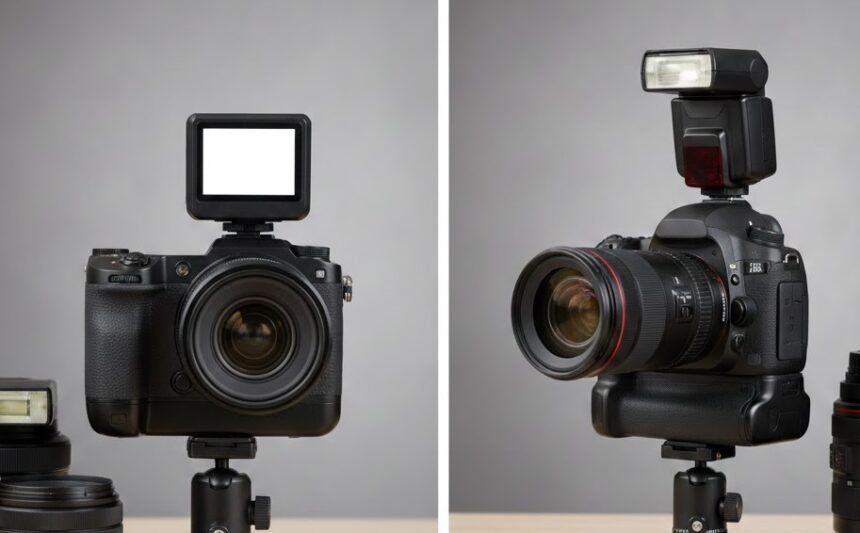
Welcome to the exciting realm of interchangeable lens cameras, where creativity meets cutting-edge technology! As photography enthusiasts, we are constantly on the lookout for gear that elevates our craft. Among the most popular choices today are mirrorless interchangeable lens cameras vs DSLRs. Both offer unique features and capabilities, but which one can help you capture those stunning shots?
In this guide, we’ll dissect these two types of cameras, exploring their key differences and advantages. Whether you’re a seasoned pro or just starting your photographic journey, understanding these tools will empower you to make informed decisions. So grab your favorite coffee and let’s dive into this captivating showdown between mirrorless cameras and DSLRs!
The key differences between mirrorless and DSLR cameras
When comparing mirrorless interchangeable lens cameras vs DSLRs, the most notable difference lies in their internal mechanics. DSLRs use a mirror mechanism to reflect light into an optical viewfinder. This makes them bulkier but offers that classic photography feel.
On the other hand, mirrorless cameras ditch the mirror entirely. They rely on electronic displays for composing images, which allows for a more compact design. This shift opens up new possibilities but changes how you interact with your camera.
Another key distinction is autofocus performance during video capture. Mirrorless systems often excel here due to their advanced phase-detection technology. Meanwhile, traditional DSLRs can struggle with live-view autofocus when recording videos.
Battery life varies significantly between the two types of cameras. While DSLRs tend to outlast their mirrorless counterparts thanks to less power consumption during shooting sessions, this gap is narrowing as technology evolves rapidly in both arenas.
Advantages of mirrorless cameras
Mirrorless cameras bring a fresh perspective to photography. Their compact size makes them incredibly portable, allowing you to carry your gear with ease. This design is perfect for travelers or street photographers who need versatility without the bulk.
Autofocus capabilities in mirrorless systems have significantly improved. Many models offer fast and accurate focusing, even in low light. This feature can be crucial when capturing fleeting moments that require quick reflexes.
The electronic viewfinder (EVF) offers another advantage. It provides a real-time preview of exposure settings, allowing you to see how adjustments affect your shot instantly. This immediate feedback can enhance your shooting experience and creativity, making it easier to visualize the final image before pressing the shutter button.
These features combine technology and convenience, pushing creative boundaries for both beginners and seasoned professionals alike.
A. Size and weight
One of the most striking features of mirrorless interchangeable lens cameras is their compact size and lightweight design. Without a bulky mirror mechanism, these cameras can be significantly slimmer. This makes them ideal for travel photographers seeking to minimize gear weight.
Carrying a heavy DSLR can quickly become tiring during long shoots or hikes. Mirrorless options often fit comfortably in your bag or even your hand, making spontaneous photography more accessible.
Additionally, many enthusiasts appreciate the convenience of being able to swap lenses without lugging around excess weight. This portability encourages creative exploration where you might otherwise feel limited by bulkier equipment.
For those who prioritize mobility, choosing a mirrorless camera may open up new possibilities in capturing fleeting moments with ease. It’s about creating experiences without the burden of cumbersome gear weighing you down.
B. Autofocus capabilities
Autofocus capabilities play a crucial role in capturing sharp and focused images. Mirrorless cameras often have the upper hand with their advanced autofocus systems. They utilize on-sensor phase detection, which means they can focus quickly and accurately across nearly the entire frame.
This technology offers impressive tracking for moving subjects, making it ideal for sports or wildlife photography. Users can expect seamless transitions as they follow fast action shots.
In contrast, DSLRs rely primarily on phase-detection autofocus through a separate mirror system. While this method is effective, it may not always match the speed of its mirrorless counterparts during live view shooting or video recording.
Both options come packed with features like face detection and eye-tracking technology. However, if rapid focusing is your priority, exploring mirrorless interchangeable lens cameras might be worthwhile to enhance your photographic experience.
C. Electronic viewfinder
The electronic viewfinder (EVF) is one of the standout features of mirrorless interchangeable lens cameras. Unlike traditional optical viewfinders found in DSLRs, EVFs display a digital feed from the camera sensor. This means you’re seeing exactly what your sensor captures, including exposure levels and depth of field.
Adjustments made to settings are reflected instantly in real-time through the EVF. This immediate feedback can be invaluable for photographers who require precision with each shot.
Moreover, many modern EVFs offer high resolution and refresh rates that rival or even surpass their DSLR counterparts. You’ll find yourself immersed in an enhanced shooting experience where colors pop and details sharpen dynamically as you compose your image.
Additionally, some models incorporate helpful overlays like histograms or focus peaking directly into the viewfinder. These tools make it easier to achieve perfect exposure and sharpness without taking your eye off the scene before you.
Advantages of DSLR cameras
DSLR cameras have long been a favorite among photographers for several reasons. One of the standout features is their impressive battery life. Unlike mirrorless models, which often drain power quickly due to electronic viewfinders, DSLRs can last days without needing a charge.
Durability is another strength. Many DSLRs are built with robust materials designed to withstand harsh conditions, making them ideal for outdoor photography or challenging environments.
Lens selection also plays a crucial role in their appeal. With decades of development behind them, DSLR users benefit from an extensive range of lenses that cater to various styles and needs—from wide-angle shots to telephoto zooms.
The optical viewfinder provides a real-time glimpse through the lens without any lag. This natural experience allows photographers to compose images more intuitively and reliably than relying solely on digital displays.
A. Battery life and durability
When it comes to battery life, DSLRs often take the lead. These cameras are designed with larger batteries that provide extended shooting time. Photographers can go on long sessions without worrying about running out of juice.
The durability factor is another strength of DSLRs. Many models boast rugged construction and weather sealing, making them ideal for outdoor shoots in challenging conditions. A DSLR can withstand a bit of rough handling.
This makes them a favorite among professionals who need reliability during critical moments. Whether you’re capturing fast-paced sports or serene landscapes, having a sturdy device matters.
Additionally, swapping lenses is seamless with most DSLRs due to their robust builds. This allows photographers to adapt quickly without fearing damage to their gear while switching between different environments or scenarios.
B. Lens selection
When it comes to lens selection, DSLRs hold a significant advantage due to their extensive range of available lenses. Established brands have been crafting DSLR lenses for decades. This means you’ll find everything from budget-friendly options to professional-grade glass.
Compatibility is another key factor. A wide variety of mounts make it easy for photographers to switch between different types of lenses without hassle. Whether you’re into macro photography or sports shooting, there’s likely a lens tailored just for your needs.
Though mirrorless systems are rapidly catching up in terms of available options, they still lag behind the vast array offered by DSLRs. Many new and exciting designs are emerging in the mirrorless market, but seasoned photographers often lean towards the tried-and-true choices that come with DSLR systems.
Having a diverse selection can significantly influence your creative process and help you achieve your vision more effectively.
C. Optical viewfinder
The optical viewfinder is a hallmark feature of DSLR cameras. It offers a direct, real-time glimpse through the lens using a series of mirrors and prisms. This mechanism allows photographers to see exactly what their camera captures without any delay.
Many enthusiasts appreciate this clarity. An optical viewfinder provides an unfiltered perspective, showing true colors and lighting conditions as they are in reality. There’s no lag or electronic artifacting, which can happen with digital displays.
Additionally, the experience feels more organic. The tactile sensation when looking through the eyepiece enhances focus and engagement with your subject. For some photographers, it fosters a stronger connection during shooting.
This traditional method has stood the test of time for good reasons—it’s reliable and intuitive for many users who prefer that hands-on approach to composing images.
Which camera is right for you?
Choosing the right camera often comes down to your specific needs and preferences. If you prioritize portability and fast autofocus, a mirrorless camera might be ideal for you. They’re perfect for street photography or travel, where every ounce matters.
On the other hand, if you’re invested in a range of lenses or need robust battery life for long shoots, DSLRs may serve you better. Their proven durability can handle various shooting conditions with ease.
Consider your style as well. Are you capturing fast-moving subjects? The advanced autofocus in many mirrorless systems could give you an edge. However, if traditional optical viewfinders appeal to you and offer comfort during long sessions of landscape photography, then a DSLR could be your best bet.
Assess what features align most closely with how you’ll use the camera day-to-day before making that decision.
Tips for transitioning from a DSLR
Transitioning from a DSLR to a mirrorless interchangeable lens camera can feel overwhelming. However, with the right approach, you can make this shift smoothly and enjoy all the benefits these modern cameras offer.
Start by familiarizing yourself with your new gear. Spend time reading the manual and exploring various settings. Each system has its unique features that may take some getting used to.
Practice is essential. Take your mirrorless camera out for short sessions, just like you would with your DSLR. Experiment with autofocus modes or different exposure settings until they become second nature.
Consider investing in an adapter if you have existing lenses for your DSLR. This way, you won’t have to sell off all of your equipment immediately while still enjoying the capabilities of a mirrorless setup.
Join online forums or local photography groups focused on mirrorless systems. Engaging with fellow photographers will provide insight into best practices and tips specific to your new camera model.
Be patient during this transition period—embrace any learning curves as part of enhancing your photography skills. With time and practice, you’ll find that switching from DSLRs to mirrorless interchangeable lens cameras opens up exciting creative possibilities in ways you’ve never imagined before!