


Introduction to Cryptocurrency Market Analysis
The cryptocurrency market is known for its volatility and rapid changes, making market analysis an essential component for traders aiming to make informed decisions. Market analysis involves evaluating various factors that can influence cryptocurrency prices, allowing traders to identify potential trends and opportunities. In the complex landscape of digital currencies, employing effective analysis techniques is crucial for improved trading outcomes.
There are primarily two approaches to market analysis: fundamental analysis and technical analysis. Fundamental analysis focuses on evaluating the underlying factors that may affect the value of a cryptocurrency, such as technology developments, regulatory changes, and market demand. In contrast, technical analysis relies on historical price patterns and trading volumes to forecast future price movements. Both methods provide valuable insights, and many professional traders opt to combine these techniques to gain a fuller understanding of the market dynamics.
The importance of market analysis in cryptocurrency trading cannot be overstated. In a world where prices can fluctuate wildly within a matter of minutes, understanding the motivations behind market movements allows for more strategic trading. By leveraging analytical tools and methodologies, traders can better anticipate price shifts and react accordingly, ultimately enhancing their profitability. Furthermore, gaining insights from market analysis can help traders manage risks effectively, minimizing potential losses in this high-stakes environment.
As we delve deeper into subsequent sections of this blog post, we will explore various market analysis techniques in more detail, providing readers with the knowledge necessary to navigate the challenges of cryptocurrency trading confidently.
Fundamental Analysis in Cryptocurrency
Fundamental analysis is a crucial methodology employed by professional traders to evaluate the intrinsic value of cryptocurrencies and gauge their potential for growth. Unlike technical analysis, which relies heavily on historical price movements and trading volume, fundamental analysis looks at qualitative and quantitative factors to understand the underlying dynamics of a cryptocurrency. This approach can help traders make informed decisions regarding entries and exits based on the anticipated changes in price driven by specific events or conditions in the market.
One of the key components of fundamental analysis is the technology behind the cryptocurrency. The underlying technology, such as blockchain efficiency, scalability, and security features, are vital in determining long-term viability. For example, cryptocurrencies like Ethereum are appreciated for their smart contract capabilities, which influence market demand. In addition, the project’s team plays a significant role; their experience and expertise can reassure investors of a project’s credibility and prospects.
Market demand also significantly impacts the price of cryptocurrencies. Analyzing trends, such as user adoption rates or industries integrating blockchain technology, provides insight into the potential future value of a cryptocurrency. Furthermore, external factors like the regulatory environment must be taken into account, as regulatory actions can lead to substantial price fluctuations. A favorable regulatory environment can foster innovation and adoption, while strict regulations might inhibit growth.
Traders often utilize fundamental analysis to predict price movements. For example, a team of developers announcing an upcoming upgrade could signal a bullish trend, prompting traders to buy before the price rises. Conversely, negative news regarding a regulatory crackdown might lead traders to sell to avoid potential losses. In the cryptocurrency landscape, being adept in fundamental analysis can significantly enhance a trader’s success rate by providing insights into which cryptocurrencies might flourish or falter in response to broader market events.
Technical Analysis Basics
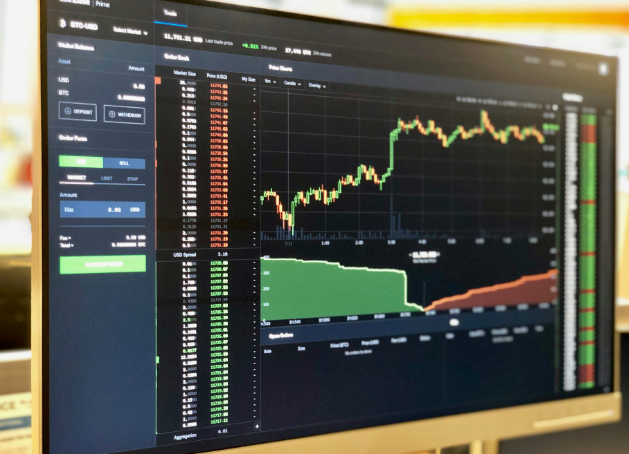
Technical analysis is a crucial method employed by professional traders to evaluate cryptocurrency markets and make informed decisions. At its core, technical analysis involves the examination of price charts to identify historical price movements, which can be indicative of future trends. By analyzing these charts, traders can derive insights into the market’s behavior over time.
One of the foundational concepts in technical analysis is the identification of trends. A trend refers to the general direction in which a cryptocurrency’s price is moving. Trends can be classified into three main types: upward (bullish), downward (bearish), and sideways (neutral). Recognizing these trends enables traders to devise strategies that align with the prevailing market conditions, thereby increasing the likelihood of profitable trades.
Another key element is the identification of support and resistance levels. Support levels represent price points where buying pressure tends to overcome selling pressure, resulting in a halt or reversal of a downward trend. Conversely, resistance levels are points where selling pressure prevails, leading to a potential halt in an upward trend. These levels serve as critical indicators for traders, allowing them to set targets for buying and selling, as well as to manage risk through stop-loss orders.
Traders also utilize various chart patterns, such as head and shoulders, double tops, and flags, to predict future price movements. Each pattern has its own implications for market dynamics and can signal potential reversals or continuations of trends. By mastering the ability to read these charts and understanding the significance of historical price data, traders can improve their market predictions and refine their trading strategies.
Charting Tools and Indicators
In the ever-evolving landscape of cryptocurrency trading, charting tools and technical indicators play a pivotal role in informing trading strategies and decisions. By analyzing price movements and market trends, traders can harness these tools to formulate data-driven approaches to maximize profitability while minimizing risks.
Among the most popular indicators used in the cryptocurrency market are Moving Averages (MA). This tool smooths out price data by creating a constantly updated average price. Traders often utilize two types of moving averages: the Simple Moving Average (SMA) and the Exponential Moving Average (EMA). The SMA gives equal weight to all prices, whereas the EMA places greater weight on recent prices, making it more reactive to new information. By comparing different EMAs, traders can identify potential buy and sell signals, facilitating well-informed market entries and exits.
Another essential technical indicator is the Relative Strength Index (RSI), which measures the speed and change of price movements. The RSI oscillates between 0 and 100 and is typically used to identify overbought or oversold conditions in the market. A reading above 70 may indicate that a cryptocurrency is overbought, while a reading below 30 suggests it may be oversold. By employing the RSI alongside other tools, traders can gain insights into potential price reversals, enhancing their trading decisions.
Lastly, Fibonacci retracement levels serve as a powerful tool for predicting potential price reversals. This tool utilizes horizontal lines to indicate areas of support or resistance at the key Fibonacci levels, which are derived from the Fibonacci sequence. Traders often rely on these levels to identify entry and exit points, particularly after significant price movement, thereby optimizing their trading strategy and response in a dynamic market environment. Together, these indicators offer invaluable insights, enabling cryptocurrency traders to approach the market with confidence and precision.
Sentiment Analysis in Cryptocurrency Trading
Sentiment analysis plays a critical role in cryptocurrency trading, as it helps traders gauge the market’s overall emotion and attitude towards specific assets. In an environment that is often driven by news cycles and social media trends, being able to interpret sentiment can significantly influence trading decisions. Various forms of market sentiment—whether bullish or bearish—can directly affect cryptocurrency prices, making it essential for traders to stay informed.
Social media platforms have emerged as vital players in shaping market sentiment. Traders often utilize platforms like Twitter and Reddit, where discussions and trends can rapidly escalate or diminish interest in a particular cryptocurrency. For instance, positive comments from influential figures or general community enthusiasm can lead to price increases, while negative perceptions can result in declines. By monitoring these platforms, traders can develop a nuanced understanding of public sentiment and its potential impact on market movements.
News outlets and media reports also contribute to sentiment analysis in cryptocurrency trading. Breaking news events, regulatory announcements, or technological advancements can sway trader perception dramatically, often causing immediate price fluctuations. Traders can utilize news aggregators that compile relevant articles and analyses, allowing them to stay updated on market-moving information.
To effectively gauge market sentiment, traders can employ a variety of tools designed for sentiment analysis. Applications that analyze social media sentiments, such as Natural Language Processing (NLP) tools, can quantitatively assess public sentiment. Additionally, traders may utilize sentiment index scores that compile and measure mood across financial platforms.
In summary, understanding sentiment analysis is vital for traders in the cryptocurrency markets. By utilizing various tools and staying abreast of social media and news developments, they can better navigate market fluctuations and make more informed trading decisions.
The Role of Volume in Market Analysis
In the realm of cryptocurrency trading, volume serves as a vital indicator, reflecting the total amount of an asset that is traded over a specified timeframe. It provides valuable insights into market dynamics and plays a pivotal role in technical analysis. A higher trading volume generally indicates increased interest in the asset, which can correlate with price movements and trends. Analyzing volume allows traders to assess the strength of price fluctuations, enabling them to make informed decisions.
The relationship between trading volume and price movements is particularly significant when establishing trends or identifying potential market reversals. For instance, when prices rise alongside increasing volume, it signals strong buying interest, suggesting that the upward trend may continue. Conversely, if a price surge occurs with low volume, this may indicate a lack of conviction among buyers, raising the likelihood of a reversal. The traditional adage “volume precedes price” underscores the importance of volume in validating price trends and market sentiment.
To effectively incorporate volume analysis into trading strategies, traders can employ several practical tips. First and foremost, it is essential to observe volume spikes, which can signal significant changes in market behavior. Utilizing volume indicators, such as the On-Balance Volume (OBV) or the Volume Weighted Average Price (VWAP), can further enhance the decision-making process. Additionally, combining volume analysis with other technical indicators can provide a broader context, leading to more robust trading signals. Traders should strive to develop a comprehensive approach that considers both volume dynamics and price action, ultimately augmenting their trading strategies and increasing their success in the cryptocurrency market.
In the ever-evolving cryptocurrency landscape, relying on a single analysis technique can be insufficient. A comprehensive approach that integrates fundamental, technical, and sentiment analysis is essential for professional traders seeking to make informed decisions. Each of these analysis types offers unique insights into market behavior and price movements, which, when combined, can enhance the accuracy of predictions.
Fundamental analysis allows traders to assess the intrinsic value of a cryptocurrency by evaluating various factors such as technology, regulatory developments, and market demand. For instance, analyzing the development roadmap of a digital asset can help predict potential price movements based on project milestones. Additionally, understanding the economic principles that underpin the crypto market, such as supply and demand dynamics, can provide crucial context for price fluctuations.
On the other hand, technical analysis involves the examination of price charts and market trends, focusing on identifying patterns and signals that suggest future movements. By employing different indicators and tools like moving averages and candlestick patterns, traders can identify entries and exits points effectively. For example, a successful trader may see a bullish reversal pattern coupled with increasing volume, which serves as a strong signal to enter a position.
Sentiment analysis, which gauges market sentiment through factors such as social media trends and news coverage, adds another layer to a trader’s understanding of market dynamics. By monitoring sentiment indicators, traders can anticipate sudden changes in price driven by market emotions, helping them to react swiftly. An example includes recognizing a surge in negative sentiment driven by regulatory news, prompting traders to mitigate their risks.
With the interplay of these analysis techniques, professional traders can create a robust decision-making framework. Utilizing case studies that exemplify successful integration can further illustrate the efficacy of this multifaceted approach. By harmonizing insights from fundamental, technical, and sentiment analysis, traders can enhance their market strategies and improve their overall performance.
Risk Management Strategies for Traders
In the volatile landscape of cryptocurrency trading, effective risk management is essential for sustaining success and minimizing losses. A core strategy that professional traders employ is the use of stop-loss orders. These orders enable traders to set predetermined exit points for their investments, ensuring that they can limit their losses without having to monitor the market continuously. Setting stop-loss levels at appropriate prices can significantly reduce emotional decision-making during high market volatility.
Another crucial aspect of risk management is position sizing. This technique involves determining the appropriate amount of capital to allocate to a specific trade based on account size and risk tolerance. By calculating the percentage of total equity that a trader is willing to risk on a single trade, they can better manage their exposure to potential losses. Professional traders often use a fixed percentage rule, typically ranging from 1% to 3%, which helps in safeguarding their capital while still allowing for significant growth opportunities.
Moreover, understanding the risk-reward ratio is vital for effective risk management. This ratio compares the potential profit of a trade to the potential loss, guiding traders in their decision-making process. A favorable risk-reward ratio, often considered to be 1:2 or higher, indicates that the expected reward from a trade is greater than the potential risk taken. By calculating this ratio before entering a trade, traders can ensure that they are only engaging in opportunities that align with their risk tolerance and overall trading strategy.
Incorporating these risk management strategies not only helps in minimizing losses but also contributes to overall trading effectiveness. As traders adopt disciplined approaches to manage risk, they can enhance their ability to navigate the inherently uncertain cryptocurrency markets, ultimately achieving greater long-term success.
Conclusion and Future Trends in Cryptocurrency Market Analysis
As we have explored throughout this discussion, the cryptocurrency market is characterized by its volatility and complexity, necessitating effective analysis techniques for professional traders. The insights gained from both fundamental and technical analysis empower traders to make informed decisions and navigate the market’s ebbs and flows with greater confidence.
Looking ahead, several emerging trends could significantly impact the methodologies used in cryptocurrency market analysis. One notable trend is the continued integration of artificial intelligence and machine learning into trading strategies. These technologies have the potential to enhance predictive analytics, allowing traders to analyze vast datasets quickly and identify profitable patterns that may be imperceptible through traditional methods.
Additionally, the development of decentralized finance (DeFi) platforms presents new opportunities and challenges for traders. With the rise of DeFi, comprehensive analysis will require a more nuanced understanding of smart contracts, liquidity pools, and yield farming. It emphasizes the importance of staying updated with both technological advancements and market dynamics.
Furthermore, regulatory changes across different jurisdictions are likely to have substantial implications for market analysis. Traders must stay vigilant regarding the evolving legal landscape surrounding cryptocurrencies, as regulations can affect market sentiment and trading volumes. Continuous education on these regulatory trends will be critical for traders seeking a competitive edge.
In summary, the future of cryptocurrency market analysis will be shaped by rapid advancements in technology, evolving market structures, and regulatory developments. To remain successful in this dynamic environment, traders must cultivate a mindset of lifelong learning and adaptability, ensuring that they are well-equipped to harness the tools and insights necessary for navigating the complexities of the cryptocurrency landscape.