


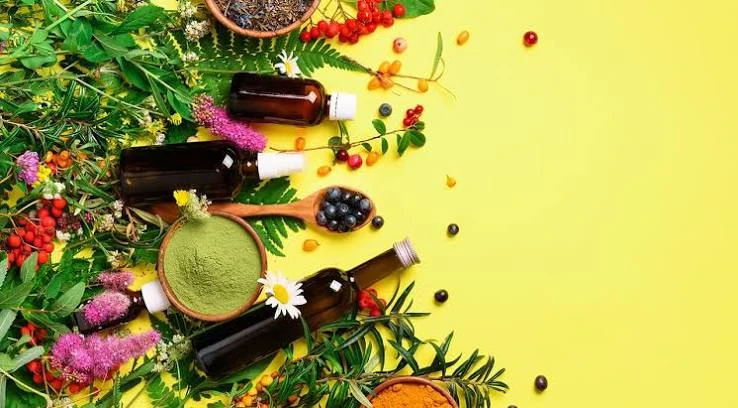
Long before modern food production and supplement manufacturing became established industries, plants played an important role in everyday life. Across different regions of the world, people developed ways to use leaves, roots, seeds, flowers and other botanical materials in cooking, traditional practices and cultural ceremonies.
Today, botanical ingredients continue to attract attention. They appear in food products, herbal preparations, cosmetics and modern supplement formulations. Some have been used for centuries, while others have become more widely recognised through international trade and changing consumer interests.
Exploring their history provides an interesting perspective on how traditional plant knowledge has influenced modern ingredient development.
What Are Botanical Ingredients?
Botanical ingredients are materials obtained from plants. They can come from different parts of a plant, including roots, stems, leaves, flowers, seeds, fruits and bark.
The term covers a wide range of natural materials, from familiar culinary herbs to less common plants with long histories of traditional use.
Examples include rosemary, turmeric, ginger, cinnamon, peppermint, chamomile and ginseng. These ingredients have different origins, flavours, appearances and traditional applications.
Some are mainly associated with cooking, while others have historically been used in herbal preparations and cultural traditions.
The way a botanical ingredient is used often depends on the region, available resources and local customs.
The Early History of Plant-Based Ingredients
The relationship between people and plants goes back thousands of years. Early communities relied heavily on their surroundings for food, materials and other everyday resources.
Plants were collected, cultivated and prepared using methods that developed through observation and experience. Over time, certain species became important parts of local food cultures and traditional practices.
Ancient civilisations developed their own approaches to identifying and preparing botanical materials. Written records from different parts of the world describe the use of plants, herbs and spices in everyday life.
These records provide valuable insight into how plant knowledge was passed between generations.
However, historical references should be understood in their original cultural context. Traditional use does not automatically establish modern scientific evidence for a particular ingredient.
Botanical Traditions Across Different Regions
Different regions developed distinctive relationships with botanical ingredients.
In South Asia, plants and spices such as turmeric, ginger, cardamom and ashwagandha became familiar parts of traditional food and herbal practices. Some ingredients were also incorporated into cultural ceremonies and household preparations.
In East Asia, botanical materials such as ginseng, green tea and ginger became associated with long-standing culinary and traditional practices.
Mediterranean cultures developed extensive uses for herbs including rosemary, oregano, thyme and sage. These ingredients became particularly important in regional cooking, where they were used to add flavour and preserve culinary traditions.
In parts of Africa, local plants and botanical preparations were incorporated into food cultures and traditional knowledge systems. The specific ingredients varied according to regional climate, agriculture and biodiversity.
These examples show that botanical traditions are not limited to one culture or geographical area. They developed independently in many communities, often using plants that were readily available in the surrounding environment.
The Importance of Trade Routes
Trade played a significant role in spreading botanical ingredients beyond their original regions.
Spices and aromatic plants were valuable commodities in historical trade networks. Merchants transported ingredients across long distances, connecting markets in Asia, Africa, Europe and the Middle East.
Cinnamon, pepper, cloves, nutmeg and cardamom became important products in international commerce.
Their movement introduced new flavours and ingredients to communities that had previously been unfamiliar with them.
Trade also encouraged the exchange of agricultural knowledge and food preparation techniques. As different ingredients became available in new markets, local cuisines gradually incorporated them into traditional dishes.
The historical spice trade demonstrates how botanical ingredients influenced not only food culture but also economics, travel and international relationships.
From Traditional Preparations to Modern Extraction
Historically, botanical ingredients were commonly prepared using simple methods.
Leaves and flowers might be dried, roots could be sliced or ground, and seeds were sometimes crushed before being incorporated into food or traditional preparations.
These methods relied largely on locally available tools and practical knowledge.
Modern processing has introduced more specialised techniques. Manufacturers can now produce botanical extracts using different solvents and extraction methods to obtain selected plant compounds from British Supplement.
Depending on the ingredient, these processes may involve water extraction, alcohol extraction, drying, concentration or other manufacturing techniques.
The resulting extracts can differ considerably from the original plant material. Their composition depends on factors such as the plant species, the part used, the processing method and the quality of the starting material.
Understanding this distinction is particularly useful when comparing traditional botanical ingredients with modern commercial formulations.
The Growing Interest in Herbal Ingredients
Botanical ingredients have experienced renewed attention in recent years. Consumers are increasingly interested in traditional plants, natural flavourings and ingredients with distinctive cultural histories.
This interest is reflected across several industries.
Food manufacturers use herbs and spices to create new flavours and product combinations. Cosmetic brands include plant-derived extracts in skincare and personal-care formulations. Supplement manufacturers also use botanical ingredients in capsules, powders, liquids and other formats.
Social media, international food trends and easier access to global products have helped introduce unfamiliar ingredients to wider audiences.
As a result, plants that were once mainly associated with particular regions are now recognised in international markets.
Traditional Knowledge and Modern Research
Traditional botanical knowledge provides an important historical record of how communities have interacted with plants.
However, it is important to distinguish between historical use, cultural significance and modern scientific evidence.
An ingredient may have a long history in traditional practices without having the same level of modern research as another botanical material.
Scientific investigation can examine plant composition, identify individual compounds and explore how different extraction techniques affect the final ingredient.
This research also helps explain why products made from the same plant may have different compositions.
For example, whole plant powders and concentrated extracts are not necessarily equivalent. They may contain different proportions of naturally occurring compounds depending on how they were produced.
A balanced understanding recognises the value of traditional knowledge while treating modern scientific findings separately.
Botanical Ingredients in the Modern Supplement Market
Traditional plants are now used in a wide variety of modern supplement formulations. Some familiar examples include turmeric, ginger, ashwagandha, ginseng and shilajit, although shilajit itself is a naturally occurring mineral-rich substance rather than a botanical ingredient.
These products can be presented in several formats, including capsules, tablets, powders and gummies.
Formulations may contain individual botanical ingredients or combinations of plant extracts, vitamins and minerals.
Why Ingredient Transparency Matters
As the botanical supplement market expands, clear product information becomes increasingly important.
The same plant can be processed in different ways, producing ingredients with different characteristics. A product label that simply names a botanical ingredient may not provide enough detail to understand the complete formulation.
Useful information can include:
- The botanical name of the ingredient.
- The part of the plant used.
- Whether the product contains whole plant material or an extract.
- The extraction method, where relevant.
- The quantity included per serving.
- Additional ingredients and processing information.
- Manufacturer and quality-control details.
These details make it easier to compare products and understand the differences between formulations.
Preserving Botanical Heritage
Traditional botanical knowledge represents an important part of cultural history. Many ingredients used in modern food and supplement products have travelled across generations and geographical boundaries.
Preserving this heritage involves recognising the communities that developed traditional uses, understanding the origins of different plants and appreciating the agricultural practices connected with them.
Sustainable sourcing is another important consideration. Growing demand for certain botanical materials can place pressure on natural resources, particularly when ingredients are harvested from limited environments.
Responsible cultivation, traceable supply chains and careful sourcing practices can help support the long-term availability of these materials.
Conclusion
Traditional botanical ingredients have a long and varied history. From ancient food traditions and regional herbal practices to international spice trade and modern manufacturing, plants have influenced cultures and industries across the world.
Today, these ingredients continue to attract interest because of their diversity, history and versatility. Understanding their origins, traditional uses and modern processing methods provides a more complete picture of how they appear in contemporary products.
By looking beyond familiar ingredient names and exploring their cultural and manufacturing backgrounds, consumers can develop a greater appreciation of the botanical materials found in everyday products.