


Introduction to Urban Housing Trends
Urban housing markets have increasingly gained prominence in the context of modern real estate development. These markets reflect the complexities and dynamics of contemporary living, driven by a confluence of economic factors, demographic changes, and technological advancements. Understanding these trends is crucial for stakeholders, including developers, investors, and policymakers, as they navigate the intricate landscape of urban housing.
One of the primary drivers of urban housing trends is economic factors. The rise in housing demand, often correlating with population growth and urbanization, creates a pressing need for innovative housing solutions. As cities expand and attract individuals seeking employment opportunities, developers are compelled to respond with diversified housing options. The interplay between supply and demand in urban housing markets can significantly influence pricing, availability, and the overall viability of real estate ventures.
Demographic shifts also play a vital role in shaping urban housing trends. A growing urban population includes diverse age groups—such as millennials entering the housing market and aging populations downsizing their living spaces. These demographic transitions require adaptable housing models that cater to varying lifestyles and preferences. For instance, the demand for compact living solutions and shared spaces is on the rise, as many individuals prioritize affordability and convenience over traditional housing formats.
Furthermore, technological advancements are transforming the urban housing landscape. Innovations such as smart home technologies, agile construction methods, and sustainable building materials are reshaping the development process. These technologies not only enhance energy efficiency but also improve the overall quality of life for residents. With the incorporation of data analytics and predictive modeling, real estate developers can better anticipate market trends and consumer needs, thereby driving informed decision-making in urban housing projects.
Sustainable Development Practices
The trend of sustainable real estate development has gained significant momentum in contemporary urban housing markets. Developers worldwide are increasingly adopting eco-friendly building materials that minimize environmental impact whilst maintaining structural integrity. These materials often include recycled steel, sustainably sourced wood, and non-toxic insulation products, which collectively contribute to reducing a building’s carbon footprint.
In addition to the utilization of sustainable materials, energy-efficient technologies play a pivotal role in modern developments. This includes the implementation of energy-efficient appliances, smart home systems, and LED lighting, all of which not only lower operational costs for residents but also curtail energy consumption. Such technologies have become standard in new projects, reflecting the broader industry shift towards sustainability.
Furthermore, innovative practices such as green roofs and urban farming are being integrated into urban housing designs. Green roofs, which involve the installation of vegetation atop building structures, serve multiple purposes. They help in reducing urban heat, improving air quality, and providing insulation to the buildings. Similarly, urban farming initiatives are gaining traction, promoting local food production within city environments, contributing to food security, and fostering community engagement.
The rise of sustainable real estate development practices symbolizes a progressive shift towards environmentally responsible living. Developers are increasingly recognizing not only the environmental necessity but also the social and economic benefits these practices offer. This convergence of sustainable practices within urban housing markets heralds a promising future where ecological awareness is at the forefront of real estate development.
Smart Housing Technology
In recent years, the integration of smart technology within urban housing markets has emerged as a pivotal trend, reshaping the living experience for residents and enhancing property values. Smart housing technology encompasses a range of advanced systems and appliances designed to optimize daily living, increase convenience, and improve energy efficiency.
Home automation systems are at the forefront of this evolution, allowing residents to manage various aspects of their living environment remotely. These systems can control lighting, heating, air conditioning, and security components through smartphones or other connected devices, enhancing both comfort and safety. For instance, smart thermostats enable users to adjust their home’s temperature efficiently, reducing energy consumption while maintaining a pleasant atmosphere.
In addition to home automation, the adoption of smart appliances is a significant contributor to modern housing innovations. Equipped with IoT (Internet of Things) capabilities, these appliances can communicate with each other and the homeowner, streamlining tasks such as grocery management or scheduling maintenance. This connectivity facilitates more efficient household management and offers residents the ability to monitor their resource consumption, thereby promoting sustainable living.
Furthermore, innovations in energy management solutions are transforming how urban dwellers utilize energy. Smart grids, for example, allow homeowners to have real-time insights into their energy usage patterns, helping them make informed decisions on energy conservation. Many new developments are incorporating renewable energy sources and advanced energy storage systems, ensuring that urban housing can meet the increasing demand for sustainable solutions.
Collectively, these technologies contribute to the modernization of urban housing, improving the quality of life for residents while increasing the overall value of properties. As smart technology continues to develop, its role in urban housing markets will likely grow, paving the way for smarter, more responsive living environments.
Affordability and Inclusive Housing
In recent years, urban housing markets have faced significant challenges related to affordability. The rising cost of living in cities has placed substantial pressure on households, particularly those with low to moderate incomes. This upward trend in housing prices has sparked the need for inclusive housing solutions that accommodate diverse populations, ensuring that all residents have access to safe and affordable living conditions. The interplay between affordability and inclusivity is critical in fostering sustainable communities.
To address these challenges, effective policy frameworks are essential. Governments can play a pivotal role in shaping policies that promote inclusive housing by implementing zoning reforms that encourage mixed-use developments and affordable housing projects. Regulatory measures such as inclusionary zoning can compel developers to allocate a percentage of their units as affordable, driving the creation of more equitable living options within urban areas.
Moreover, the establishment of public-private partnerships (PPPs) can facilitate the efficient allocation of resources towards affordable housing initiatives. By collaborating with private developers, local governments can leverage additional funding and expertise to construct inclusive housing projects. These partnerships help mitigate financial risks and enhance the capacity to develop innovative solutions tailored to community needs.
Innovative financing models, such as community land trusts and tax increment financing, have emerged as valuable tools in the promotion of affordable housing. These approaches allow for the long-term sustainability of housing projects by providing mechanisms to acquire land and funding that can be reinvested into further development. Additionally, embracing alternative funding sources like social impact bonds can align financial interests with social good, ensuring the creation and preservation of affordable housing.
Ultimately, addressing affordability in urban housing markets requires a multifaceted approach that combines policy reform, collaborative partnerships, and innovative finance solutions. By prioritizing inclusive housing strategies, cities can cultivate vibrant and diverse communities that thrive economically and socially.
Mixed-Use Developments
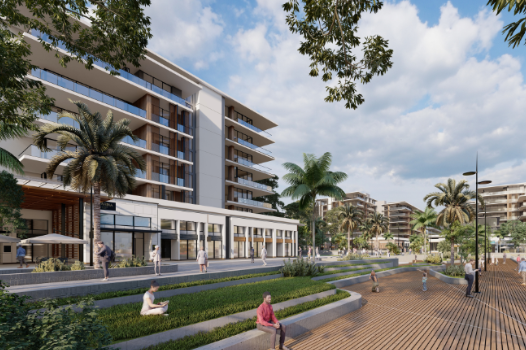
In recent years, mixed-use developments have emerged as a significant trend in urban housing markets. These projects incorporate various functional spaces, including residential units, commercial establishments, and recreational areas, all within a closely integrated setting. The growing popularity of mixed-use developments can be attributed to their potential to create vibrant and livable communities that cater directly to the needs of residents.
One of the primary benefits of mixed-use developments is their ability to foster community interaction. When residential, commercial, and recreational facilities are located in close proximity, residents are more likely to engage with one another, participate in local events, and support neighborhood businesses. This creates a lively atmosphere, contributing to a higher quality of life for residents and a stronger sense of belonging.
Moreover, mixed-use developments promote sustainable urban living by reducing reliance on personal vehicles. With essential amenities such as grocery stores, cafes, and parks located within walking distance, residents are encouraged to walk or bike for their daily needs. This shift not only alleviates traffic congestion but also contributes to lower greenhouse gas emissions and a healthier urban environment.
Additionally, mixed-use developments are adaptable to changing market demands. As cities evolve and grow, the flexibility inherent in these designs allows for easy reconfiguration of spaces to meet emerging trends or community needs, making them a sustainable option for long-term urban planning.
Overall, the blend of residential, commercial, and recreational spaces in mixed-use developments caters to the diverse needs of urban dwellers, resulting in fortified community ties and enhanced urban livability. As cities continue to grapple with challenges related to housing, transportation, and sustainability, mixed-use developments represent a promising solution that addresses multiple urban complexities simultaneously.
Urban Regeneration and Adaptive Reuse
Urban regeneration has emerged as a pivotal strategy in modern real estate development, particularly in urban housing markets facing challenges such as vacancy and deterioration. This approach focuses on revitalizing neglected urban areas through comprehensive planning and investment, ultimately enhancing their social and economic value. Integral to this initiative is the trend of adaptive reuse, which involves repurposing historic buildings and underutilized spaces for contemporary needs.
The transformation of former industrial buildings, warehouses, and other historic structures into modern residential or commercial spaces exemplifies adaptive reuse. This practice not only preserves the architectural heritage of urban environments but also fosters a sustainable model of development by reducing the need for new construction. By revitalizing existing infrastructure, cities can minimize waste, lower carbon footprints, and maintain the unique character of neighborhoods, which plays a crucial role in attracting businesses and residents alike.
Moreover, adaptive reuse supports community revitalization efforts by creating vibrant spaces that encourage social interactions and cultural activities. When historic buildings are reimagined as community centers, art galleries, or mixed-use developments, they breathe new life into neighborhoods. This enhances quality of life while promoting local economies and fostering a sense of belonging among residents.
In recent years, many urban planners and developers have recognized the benefits of merging historical preservation with innovative design. Initiatives such as incentives for restoration, zoning changes favoring mixed-use developments, and government grants have facilitated the implementation of regenerative projects. These efforts not only showcase the potential of adaptive reuse but also underscore the commitment to creating sustainable urban landscapes that meet the evolving needs of diverse populations.
Impact of Remote Work on Urban Housing
The rise of remote work has significantly influenced urban housing trends, prompting a re-evaluation of where professionals choose to live. As more individuals adopt flexible work arrangements, there has been a notable shift in location preferences. Traditionally, urban dwellers gravitated towards city centers for their proximity to workplaces and amenities. However, the increase in remote work opportunities has led many to seek homes in suburban or even rural locales, where housing often provides more space at a lower cost.
Professionals no longer view their homes as just a place to sleep; rather, they seek environments conducive to productivity and comfort. This change in perception has spurred the demand for larger living spaces that can accommodate home offices, leisure activities, and family life. Consequently, urban housing markets are witnessing a transition, with buyers and renters desiring properties that offer versatile layouts, such as multi-functional rooms that can serve as workspaces or recreational areas.
Moreover, the emergence of new neighborhoods is becoming increasingly evident as individuals prioritize work-life balance. Areas once considered less desirable are now becoming attractive due to their affordability and the availability of larger residences. As these neighborhoods gain popularity, they may experience rapid development, enhancing local infrastructure and amenities to support the new influx of residents. Consequently, urban housing dynamics are shifting, with a focus on community features that foster social interaction and well-being.
In summary, the impact of remote work on urban housing is profound, resulting in changing preferences regarding location and space. As professionals continue to embrace remote work, these trends will likely persist, shaping the future landscape of urban real estate development.
Regulatory Changes and Their Implications
In recent years, significant regulatory changes have emerged within urban housing markets, largely influenced by the evolving socio-economic landscape. These adjustments to zoning laws, building codes, and related policies are aimed at addressing the pressing issues of housing affordability and urban density. Consequently, their implications on real estate development are profound and multifaceted.
Adjustments to zoning laws, for example, have been a focal point in the regulatory landscape. Cities are increasingly adopting inclusive zoning practices, which mandate a portion of new developments to be affordable housing units. This approach is intended to create mixed-income communities and counteract the adverse effects of economic segregation. As a result, developers are now required to navigate a complex web of regulations that may compel them to alter their traditional project planning methods.
Moreover, building codes have also seen significant revisions, often emphasizing sustainability and energy efficiency in construction practices. This shift not only reflects a growing concern for environmental impacts but also aligns with broader government objectives of reducing carbon footprints within urban settings. Such changes can lead to increased costs for developers; however, they may ultimately enhance the value of new properties, making them more attractive to environmentally-conscious buyers.
Lastly, various policies designed to facilitate or restrict specific developments have been introduced to better manage urban growth and mitigate associated risks. These policies aim to ensure that real estate development aligns with the larger community objectives, such as access to public transportation, green spaces, and essential services. Consequently, any deviation from these guidelines can result in delays and additional costs, impacting overall project feasibility.
Overall, the implications of these regulatory changes on urban real estate development are significant. Developers must adapt to this dynamic landscape to successfully navigate the challenges and opportunities it presents, which will ultimately shape the future of housing markets within urban areas.
The Future of Urban Housing Markets
As urban housing markets continue to evolve, multiple factors will influence their trajectory, shaping the future of urban living. Experts predict a significant shift towards sustainable and smart city initiatives as urban planners increasingly prioritize environmental considerations. The integration of green technology, renewable energy sources, and eco-friendly building materials will not only foster sustainability but also attract socially-conscious consumers who value environmentally responsible living spaces.
Furthermore, the rise of smart technology will dramatically influence urban housing. Innovations such as smart thermostats, automated lighting, and advanced security systems are poised to enhance the living experience. These technologies promise increased energy efficiency and convenience, attracting a tech-savvy demographic amidst an expanding urban population. Experts assert that as the Internet of Things (IoT) evolves, housing markets will likely see augmented security features, improved energy management, and seamless connectivity becoming standard offerings.
Additionally, shifts in consumer behavior, accelerated by the COVID-19 pandemic, are transforming urban housing preferences. A growing number of potential homeowners are seeking larger, adaptable spaces that can serve multiple functions, such as home offices and recreational areas. This trend may encourage developers to rethink traditional designs, opting for multifunctional layouts that cater to diverse lifestyles.
Lastly, demographic shifts, particularly the rise of millennials and Generation Z in home-buying roles, will further reshape urban housing markets. These generations tend to prioritize community, walkability, and accessibility over ownership trends that marked previous eras. Consequently, developers may focus on creating mixed-use developments that promote integrated living environments, blending residential, commercial, and recreational spaces.