


Introduction to Artificial Intelligence in Manufacturing
Artificial Intelligence (AI) is a transformative technology that simulates human intelligence processes through machines, particularly computer systems. This innovation encompasses learning, reasoning, problem-solving, perception, and language understanding. In the context of manufacturing, AI has become increasingly relevant as industries strive for enhanced operational efficiency, improved productivity, and continued innovation. Over recent years, advancements in AI technologies such as machine learning, computer vision, and robotics have reshaped the landscape of manufacturing.
The evolution of AI technology can be traced through its application in various manufacturing processes. From predictive maintenance and quality control to supply chain optimization and smart manufacturing, AI’s integration into the factory floor has proven invaluable. For instance, machine learning algorithms analyze production data to forecast equipment failures, thus allowing for proactive maintenance schedules. This proactive approach minimizes downtime and maximizes asset utilization, which is critical in today’s competitive environment.
Key Applications of AI in Manufacturing
Artificial Intelligence (AI) is making significant inroads into various aspects of manufacturing, driving innovation and efficiency across the industry. One key application is predictive maintenance, where AI algorithms analyze data from machinery to predict potential failures before they occur. This proactive approach minimizes downtime and extends the lifespan of equipment. For instance, companies using AI for predictive maintenance can often reduce operational disruptions significantly by scheduling maintenance only when necessary, rather than relying on a predetermined schedule.
Another critical area is quality control, where AI systems enhance inspection processes through computer vision and machine learning. By utilizing cameras and sensors, AI can detect defects in products that may be imperceptible to the human eye. This ensures that only high-quality items reach consumers, which not only preserves brand reputation but also reduces waste and rework costs. For example, in automotive manufacturing, AI-driven inspection systems identify imperfections on assembly lines in real time, leading to more reliable vehicles.
Supply chain optimization is also transforming under the influence of AI. By leveraging vast amounts of data, AI can forecast demand patterns, streamline inventory management, and reduce costs. For instance, machine learning models can predict stock shortages or surpluses based on historical data and market trends, allowing manufacturers to make informed decisions about procurement and distribution. Such applications improve responsiveness and efficiency in a highly dynamic market environment.
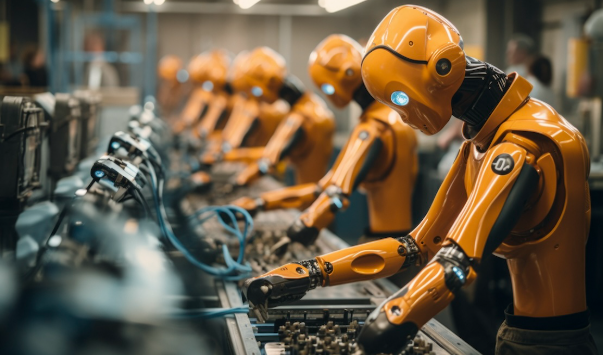
Lastly, AI facilitates process automation, where robots equipped with AI capabilities can perform repetitive tasks efficiently alongside human workers. This collaborative approach enhances productivity and allows human resources to focus on more complex activities requiring creativity and critical thinking. By integrating AI into production lines, manufacturers achieve greater flexibility and adaptability in their operations.
Benefits of Integrating AI in Manufacturing Processes
The integration of Artificial Intelligence (AI) into manufacturing processes has ushered in a new era of operational efficiency and productivity. One of the primary benefits of AI is the significant reduction in downtime. Predictive maintenance powered by AI analytics identifies potential equipment failures before they occur, enabling manufacturers to schedule maintenance activities effectively. According to a study by McKinsey, companies that implemented AI-driven predictive maintenance saw a 20-30% reduction in downtime, which translates directly to increased productivity.
In addition to minimizing downtime, AI contributes to improved product quality. Through machine learning algorithms, AI systems are capable of analyzing data from production lines in real-time, identifying defects, and adjusting processes instantaneously to mitigate quality issues. This adaptive quality control has been shown to reduce return rates and enhance customer satisfaction. For instance, Rockwell Automation reported that manufacturers using AI for quality control achieved a 50% reduction in defects.
Furthermore, the enhanced decision-making capabilities provided by AI facilitate more informed choices at all levels of an organization. AI systems can analyze vast datasets and present actionable insights, enabling managers to make data-driven decisions swiftly. This capability is crucial in a fast-paced manufacturing environment, where agility can serve as a competitive advantage. A survey conducted by Deloitte revealed that organizations implementing AI in their decision-making processes improved their operational efficiency by up to 40%.
Lastly, integrating AI results in overall cost savings across various operational components. By optimizing processes, reducing waste, and improving resource utilization, manufacturers can achieve significant financial benefits. A report by PwC estimated that AI could contribute up to $3.7 trillion in value to global manufacturing by 2030, underscoring its transformative potential.
Challenges and Considerations in AI Adoption
As manufacturing industries embark on the journey to integrate artificial intelligence technologies, several significant challenges must be addressed to ensure successful implementation. One of the foremost concerns relates to data security. Given that AI systems rely heavily on vast amounts of sensitive data, organizations must prioritize robust data protection measures to prevent breaches and unauthorized access. Implementing secure data governance frameworks is vital to mitigate risks and foster trust among stakeholders.
Another critical consideration is workforce training. The transition to AI-driven processes can create a skills gap, where existing employees may lack the necessary competencies to effectively utilize new technologies. To counteract this challenge, manufacturers should invest in comprehensive training programs. These initiatives should not only focus on technical skills but also emphasize adaptability and continuous learning to prepare staff for the evolving landscape of manufacturing.
Furthermore, integration costs pose a substantial hurdle for many organizations. The financial implications of adopting AI systems can be daunting, encompassing the costs of infrastructure modifications, software acquisition, and implementation. It is essential for manufacturers to conduct thorough cost-benefit analyses to justify the investment. Exploring partnerships with technology providers and investigating government grants can be beneficial strategies for offsetting these costs.
Lastly, establishing a solid technological infrastructure is crucial for supporting AI adoption. Many manufacturing facilities may require upgrades to their existing operational systems to accommodate AI capabilities. This often involves transitioning to advanced hardware, implementing IoT devices, and adopting cloud solutions for data processing and storage. A strategic roadmap outlining the necessary steps, timelines, and resource allocation will assist organizations in overcoming these infrastructural challenges.
The Role of Big Data Analytics in AI Manufacturing
In the realm of modern manufacturing, the intersection of artificial intelligence (AI) and big data analytics has become a pivotal factor in driving operational efficiency and informed decision-making. With the ability to process and analyze vast amounts of data, manufacturers can leverage AI to optimize their production processes. Big data analytics provides the tools needed to extract insights from this data, enabling businesses to enhance their strategies and performance.
Utilizing advanced algorithms, manufacturers can analyze real-time data generated from various sources, including machinery, supply chains, and customer feedback. These algorithms play a crucial role in identifying patterns and trends that would otherwise go unnoticed. By applying machine learning, a subset of AI, manufacturers can develop predictive models that anticipate equipment failures, thereby reducing downtime and maintenance costs. The synergy between big data analytics and AI methodologies is instrumental in automating processes that contribute to more agile manufacturing systems.
Moreover, data processing techniques such as data mining and natural language processing work seamlessly with AI systems to provide comprehensive insights into manufacturing operations. Tools like predictive analytics enable organizations to forecast demand accurately, enhancing supply chain management and inventory control. This integrated approach not only promotes operational efficiency but also contributes to a competitive advantage in the market.
As manufacturing industries continue to evolve, the partnership between big data analytics and AI will prove to be invaluable. Companies that harness these technologies will likely lead the way in innovation, productivity, and client satisfaction. The effective use of big data in conjunction with AI promises to redefine the future landscape of manufacturing, ensuring that organizations remain resilient and adaptable in an ever-changing environment.
Future Trends of AI in Manufacturing
The landscape of manufacturing is undergoing dramatic transformations driven by advancements in artificial intelligence (AI). As industries traverse deeper into the digital age, several key trends are emerging which promise to reshape manufacturing processes and improve operational efficiencies.
Machine learning is at the forefront of these advancements, providing systems that enable predictive maintenance, quality control, and autonomous operations. By analyzing vast amounts of data, machine learning algorithms can identify patterns that humans might overlook, leading to improved decision-making processes. Manufacturers are increasingly adopting these intelligent systems to minimize downtime and optimize production cycles. Along with machine learning, robotics continues to evolve, becoming more adaptable and efficient. Collaborative robots, or cobots, are increasingly integrated into production lines to work alongside human operators, enhancing productivity while ensuring workplace safety.
Another pivotal trend is the rise of additive manufacturing, commonly known as 3D printing. This technology allows manufacturers to produce complex parts and products on demand, significantly reducing waste and lowering production costs. As 3D printing technology improves, its applications are expanding from prototyping to producing end-use components in various industries, ranging from aerospace to healthcare.
Furthermore, the Internet of Things (IoT) is revolutionizing the flow of information in manufacturing sectors. With the ability to connect machines and systems, IoT facilitates real-time data exchange, fostering enhanced communication throughout the production process. This connectivity enables manufacturers to monitor equipment performance, streamline operations, and achieve greater flexibility in their supply chains.
Industry experts suggest that these technological advancements will not only enhance operational efficiencies but also foster sustainable practices in manufacturing. As companies begin to recognize the potential of AI-driven technologies, we can expect an accelerated shift towards more intelligent, responsive, and sustainable manufacturing environments in the years to come.
Case Studies of AI Implementation in Leading Manufacturing Firms
The integration of Artificial Intelligence (AI) in manufacturing has proven to be a transformative force, enhancing operational effectiveness and reducing costs. A definitive case study is that of Siemens, a global leader in manufacturing and automation. Siemens implemented AI algorithms in their factories to optimize production schedules and maintenance processes. By utilizing predictive analytics, the company has reduced machine downtime by 30%, fundamentally altering its operational framework and enhancing productivity. This case illustrates how strategic deployment of AI can lead to significant efficiency gains.
Another notable example is General Electric (GE), which harnessed AI technologies for their turbine manufacturing processes. By employing machine learning models to analyze vast data sets from sensors on turbines, GE improved the prediction of maintenance needs. This proactive approach not only minimized unexpected outages but also facilitated a 10% reduction in operational costs. The successful integration highlights the importance of data analytics in operational decision-making, showcasing tangible benefits to both the firm and its clients.
A third compelling instance is that of BMW, which embraced AI in its supply chain management. The company implemented AI-driven inventory management systems that allowed for real-time tracking of supplies and demand fluctuations. This integration streamlined their inventory processes, leading to a 15% reduction in inventory costs. The results from BMW emphasize the potential for AI to enhance supply chain efficiency by providing accurate, actionable insights into inventory levels and supply chain dynamics.
These case studies exemplify how leading manufacturing firms have successfully integrated AI into their operations, navigating challenges while achieving measurable outcomes. As companies like Siemens, GE, and BMW continue to innovate through AI, they set a precedent for the greater manufacturing industry, highlighting the need for adaptive strategies in the face of evolving technological landscapes.
Ethical Implications of AI in Manufacturing
The integration of artificial intelligence (AI) in modern manufacturing industries brings forth significant ethical considerations that cannot be overlooked. One of the most pressing issues is workforce displacement. As companies increasingly incorporate AI systems for automation and efficiency, the risk of job loss for human workers escalates. This phenomenon, often referred to as technological unemployment, raises questions about the adequacy of existing economic structures to support displaced workers. Policymakers and industry leaders must proactively address the need for reskilling and upskilling programs to facilitate a smoother transition for those affected by the rise of automation.
Another critical ethical concern involves bias in AI algorithms. AI systems are trained on data that may reflect societal biases, leading to outcomes that perpetuate discriminatory practices. For instance, if a manufacturing AI system favors certain demographics in hiring or promotion decisions, it can exacerbate existing inequalities within the workforce. Ethical AI development mandates robust data governance and validation processes to ensure fairness, transparency, and inclusivity are prioritized in algorithmic decision-making.
Furthermore, the implementation of AI in manufacturing necessitates a commitment to transparency and accountability in automated systems. Stakeholders, including consumers and employees, deserve to understand how AI operates and the rationale behind its decisions. Establishing clear protocols and ethical guidelines for AI usage is essential in fostering trust and accountability among all parties involved. Emphasizing responsible AI practices not only safeguards against potential ethical pitfalls but also enhances the overall integrity of the manufacturing sector as it embraces technological advancements.
Conclusion and Future Outlook
The advent of artificial intelligence (AI) has fundamentally transformed modern manufacturing industries, ushering in a new era characterized by enhanced efficiency, precision, and innovation. Throughout this discussion, we have explored various applications of AI in manufacturing processes, from predictive maintenance to supply chain optimization. These applications have not only streamlined operations but also significantly reduced operational costs, demonstrating the substantial return on investment that AI can provide.
Moreover, AI technologies have facilitated the emergence of smart factories—fully integrated environments where machines communicate seamlessly and operations are optimized in real-time. The implications of such advancements are profound, as they promise not only to increase production rates but also to improve product quality and customizability. With AI’s capacity for data analysis, manufacturers are now empowered to make informed decisions that drive operational excellence.
Looking ahead, the future of AI in manufacturing is undeniably promising, but it also poses challenges that organizations must address to fully harness its potential. As AI technologies continue to evolve, manufacturers must remain vigilant in their efforts to adapt to shifting trends. This includes investing in workforce training to ensure that employees are equipped with the necessary skills to interact effectively with advanced technologies. Furthermore, addressing ethical considerations surrounding AI deployment will be crucial in fostering trust and acceptance among stakeholders.
In conclusion, the revolutionary impact of artificial intelligence on modern manufacturing industries is clear. As technology advances, the ability to harness AI effectively will play a pivotal role in determining the competitiveness and sustainability of manufacturing firms. Embracing ongoing innovation and adapting to new technologies will be vital, ensuring that companies remain resilient and capable of meeting the demands of an ever-evolving marketplace.