


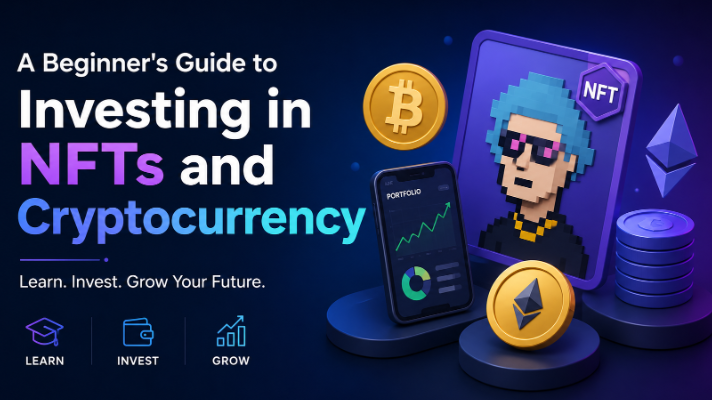
Introduction to NFTs and Cryptocurrency
In recent years, both Non-Fungible Tokens (NFTs) and cryptocurrency have garnered significant interest, reshaping the landscape of digital assets and the economy. To understand the implications of this burgeoning market, it is crucial to first define these terms and their developmental trajectory.
Cryptocurrency is a form of digital or virtual currency that employs cryptography for security. Unlike traditional currencies issued by governments, cryptocurrencies operate on a decentralized framework utilizing blockchain technology. The first and most well-known cryptocurrency, Bitcoin, was launched in 2009 by an unidentified person or group using the pseudonym Satoshi Nakamoto. Its inception marked the beginning of a paradigm shift in the way transactions are conducted, allowing for peer-to-peer exchanges without the need for intermediaries.
On the other hand, Non-Fungible Tokens are unique digital tokens that represent ownership of specific items or assets on the blockchain. Unlike cryptocurrencies, which are fungible and can be exchanged for one another, NFTs have distinct properties that set them apart. Each NFT carries specific information and attributes that make it irreplaceable. This uniqueness has led to their popularity in sectors such as digital art, music, gaming, and other forms of creative content, allowing artists and creators to monetize their work in new ways.
The relevance of NFTs and cryptocurrency in today’s digital economy cannot be overstated. With advances in technology and increasing acceptance among consumers and businesses alike, these digital assets are not only transforming traditional financial systems but also fostering new avenues for investment and creative expression. As the landscape continues to evolve, understanding the foundational concepts behind NFTs and cryptocurrency becomes imperative for anyone looking to navigate this innovative realm.
Understanding the Blockchain Technology Behind NFTs and Cryptocurrencies
Blockchain technology serves as the foundational framework for both non-fungible tokens (NFTs) and cryptocurrencies. At its core, a blockchain is a decentralized, distributed ledger that records transactions across numerous computers. This decentralized structure mitigates the need for a central authority, which not only enhances transparency but also fosters trust among users.
The operation of blockchain relies on a series of interconnected blocks, each containing a list of transactions. Each block is linked to the previous one, creating an unalterable chain. This linkage virtue is crucial, as it ensures that once a transaction is added, it cannot be modified or deleted without altering all subsequent blocks, a process that requires significant computational power. Hence, data integrity is maintained, enhancing the security of both NFTs and cryptocurrencies.
Moreover, decentralization is a pivotal feature of blockchain technology. Unlike traditional financial systems, which are controlled by central banks or other authoritative entities, blockchains are managed by a network of nodes. This design eliminates single points of failure and reduces the risk of fraud, making digital assets less susceptible to manipulation. Every participant in the network possesses a copy of the entire blockchain, enabling real-time validation of transactions.
Security features employed in blockchain technology further bolster its reliability. Cryptographic techniques ensure that transactions are securely verified, while consensus mechanisms, such as Proof of Work (PoW) or Proof of Stake (PoS), help maintain the accuracy of the ledger. These mechanisms incentivize participants to act honestly since collusion would be detectable and costly.
In conclusion, blockchain technology is not only the bedrock of NFTs and cryptocurrencies but also a revolutionary advancement in digital transaction security and transparency. Understanding its principles is essential for anyone looking to engage with digital assets effectively.
Researching Potential NFT and Cryptocurrency Investments
Before diving into the world of NFTs (Non-Fungible Tokens) and cryptocurrency, it is imperative for investors—especially beginners—to conduct comprehensive research. This foundational step can significantly impact investment decisions and outcomes. Understanding the volatility and unique nature of digital assets requires a keen eye on various factors that characterize this emerging market.
One of the primary resources for assessing NFT and cryptocurrency potential is market analysis. By studying trends over different timeframes, investors can identify patterns and price movements. Platforms such as CoinMarketCap and CoinGecko provide valuable insights into market capitalization, trading volume, and historical performance. These metrics allow investors to gauge whether a particular cryptocurrency is gaining traction or if it is experiencing a downward trend.
Community engagement also serves as a crucial indicator of potential success. A passionate and active community can be a strong predictor of an NFT or cryptocurrency’s sustainability and growth. Social media platforms like Twitter, Discord, and Reddit are essential tools for examining community sentiment. By monitoring discussions and user interactions, investors can get a sense of the community’s direction and level of enthusiasm toward specific projects.
In addition to community feedback, looking at the team behind the project is vital. Conducting background checks on the developers and creators can provide insights into their previous achievements and overall reputation within the industry. Transparent communication and a well-articulated vision often indicate a legitimate and promising project.
Lastly, investors should not overlook risk assessment tools, which can help identify and mitigate potential threats associated with specific investments. Resources such as crypto risk assessment ratings and expert reviews can contribute significantly to making informed decisions. Thus, thorough research forms the bedrock of prudent investing in NFTs and cryptocurrencies.
How to Buy NFTs
Investing in non-fungible tokens (NFTs) can be an exciting venture, especially for beginners. To begin your NFT purchasing journey, it is essential to follow specific steps that will help you navigate the process effectively.
The first step is to set up a digital wallet. You will need a wallet that supports the blockchain where the NFTs you are interested in are minted, typically Ethereum. Popular digital wallets include MetaMask, Trust Wallet, and Coinbase Wallet. Once you have created your wallet, you will need to purchase cryptocurrency to fund your transactions, most commonly Ethereum (ETH). This can be purchased through exchanges such as Coinbase or Binance and then transferred to your digital wallet.
After setting up a wallet and funding it with cryptocurrency, the next step is to choose a marketplace to purchase NFTs. Some of the most popular marketplaces include OpenSea, Rarible, and Foundation. Each platform has its unique offerings and user interfaces, so it may be beneficial to explore a few of them to determine which one aligns with your preferences. It is important to review the transaction fees associated with each marketplace, as they can vary significantly.
Once you choose a marketplace, you can start browsing the available NFTs. NFTs come in various forms, including digital art, music, virtual real estate, and collectibles. Each listing will provide details such as the history of ownership, pricing, and edition details. After selecting an NFT, you can proceed to purchase it, usually by clicking a “Buy Now” button or placing a bid in an auction format. The process generally involves confirming the transaction through your digital wallet.
In summary, buying NFTs entails setting up a digital wallet, funding it with cryptocurrency, selecting a suitable marketplace, and ultimately choosing and purchasing your desired NFT. Understanding these steps will assist in making informed decisions in the growing NFT market.
How to Buy Cryptocurrency
Investing in cryptocurrency can seem daunting for beginners, but the process of purchasing cryptocurrencies has been simplified thanks to various online platforms. The first step in acquiring cryptocurrency is to select a reputable cryptocurrency exchange. Popular platforms such as Coinbase, Binance, and Kraken provide user-friendly interfaces and a wide variety of cryptocurrencies for trading. When choosing an exchange, consider factors such as security, fees, user reviews, and the range of available currencies.
Once you have selected an exchange, the next step requires creating an account. Typically, this involves providing your personal information and verifying your identity. This process may include uploading a copy of your identification and taking a selfie for facial recognition. This verification process is essential for complying with financial regulations and ensuring the security of all users. Once your account is verified, you can proceed to add a payment method, such as linking a bank account or credit card.
After setting up your account and payment method, you are ready to buy cryptocurrency. Most exchanges allow you to input the amount of cryptocurrency you wish to purchase and review the transaction details, including any applicable fees. It is crucial to double-check the transaction details to avoid making errors. Additionally, you should consider whether you would like to store your cryptocurrency in the exchange’s wallet or transfer it to a more secure wallet, such as a hardware wallet, for added protection.
Security is a priority when dealing with cryptocurrency transactions. Be sure to use strong, unique passwords for your accounts and enable two-factor authentication whenever possible. Staying informed about phishing attempts and other security measures will also help in protecting your investments. In conclusion, by following these steps, you can confidently navigate the process of buying cryptocurrency and begin your journey into the world of digital assets.
Storing Your NFTs and Cryptocurrency Safely
As a burgeoning investor in NFTs and cryptocurrency, ensuring the safety of your digital assets is paramount. The initial step in securing these assets lies in selecting the appropriate wallet. There are primarily two types of wallets: hot wallets and cold wallets. Hot wallets are connected to the internet and offer convenience for frequent transactions, making them suitable for active traders. However, they come with heightened security risks, as being online makes them susceptible to hacks. Conversely, cold wallets, or hardware wallets, provide a safer option for long-term storage. These wallets store your assets offline, significantly reducing the risk of cyber theft.
When choosing a wallet, it is essential to consider not only its type but also the reputation and reliability of the service or hardware provider. Look for wallets that offer advanced security features, such as two-factor authentication (2FA) and encrypted private keys. Your private key is crucial; it serves as the key to your digital assets, and securing it is vital to preventing unauthorized access. This leads us to the importance of key management. Always store your private keys in a secure location, such as a password manager or written down in a safe place. Avoid saving them on your device or sharing them with anyone.
Security extends beyond just wallet choice and key management. Regularly updating your software and being cautious about phishing scams can provide an additional layer of protection. Education plays a vital role; familiarize yourself with the common tactics used by hackers and always verify the authenticity of links and websites. By adhering to these best practices, you can significantly enhance the security of your NFTs and cryptocurrency holdings, ensuring they remain protected against theft and loss.
Understanding the Risks of Investing in NFTs and Cryptocurrencies
Investing in non-fungible tokens (NFTs) and cryptocurrencies presents a plethora of opportunities, but it is equally imperative to consider the associated risks. A significant risk involves market volatility; the values of NFTs and cryptocurrencies can fluctuate dramatically within short time frames. Investors may experience considerable financial losses if they enter the market at a peak value, only to observe a swift decline.
Regulatory risks also play a prominent role in shaping the landscape of digital assets. The regulatory environment is continually evolving across different countries, which can impact the legitimacy and usability of cryptocurrencies and NFTs. Government interventions, such as bans or stricter regulations, may restrict trading activities or impose stringent requirements on cryptocurrency exchanges. As a result, investors should remain cognizant of the regulatory trends in the regions where they operate.
Furthermore, the potential for scams and fraud is a pressing risk that cannot be overlooked. The anonymity provided by cryptocurrencies can attract malicious actors who may implement deceptive schemes to exploit unsuspecting investors. Instances of phishing attacks, Ponzi schemes, and fake NFT marketplaces have been reported, underlining the necessity for thorough research before engaging in transactions. Investors must verify the credibility of projects and platforms to mitigate the risks of falling prey to scams.
In summary, while NFTs and cryptocurrencies can offer substantial rewards, it is crucial for investors to recognize the inherent risks, such as market volatility, regulatory changes, and the threat of fraud. Adopting a cautious approach and conducting diligent research can help individuals navigate these complexities effectively.
Diversifying Your Investment Portfolio with NFTs and Cryptocurrency
In recent years, the investment landscape has expanded to include non-fungible tokens (NFTs) and cryptocurrencies, presenting new opportunities for investors seeking to diversify their portfolios. Diversification is a risk management strategy that involves allocating investments across various financial instruments to reduce exposure to any single asset or risk. Incorporating NFTs and cryptocurrencies into one’s investment portfolio can be a modern approach to achieving this balanced strategy.
NFTs, unique digital assets verified through blockchain technology, represent ownership of various forms of digital content, including art, music, and virtual real estate. Their value is often derived from the individual item’s rarity, provenance, and demand within specific markets. By adding NFTs to an investment mix, investors can tap into the growing digital economy, which may invigorate overall portfolio returns.
Similarly, cryptocurrencies like Bitcoin and Ethereum offer the allure of high potential returns, driven by their volatility and growing acceptance as alternatives to traditional fiat currencies. Investing in cryptocurrencies can provide a hedge against inflation and currency devaluation, as they operate outside government control and can be traded on various exchanges globally. However, these assets are typically more volatile than traditional investments, necessitating a measured and informed approach.
To effectively diversify, consider maintaining a balanced portfolio that includes both traditional investments, such as stocks and bonds, alongside digital assets. This approach aims to mitigate risk; when traditional markets decline, NFTs and cryptocurrencies may not necessarily follow the same trend. Allocating a small percentage of your total investment to these digital assets can enhance growth potential without compromising the overall stability of your portfolio.
Future Trends in NFTs and Cryptocurrency
The landscape of NFTs and cryptocurrency continues to undergo rapid change, creating a dynamic investment ecosystem for both seasoned traders and newcomers. As technology evolves, we can anticipate significant advancements that will reshape these digital assets. One of the prominent trends is the development of more sophisticated blockchain technologies. Layer 2 solutions and cross-chain compatibility are expected to enhance transaction speeds and reduce fees, making NFTs more accessible to a broader audience.
Moreover, advancements in artificial intelligence and machine learning could improve the way NFTs are created, marketed, and valued. Automated algorithms may efficiently determine the worth of digital assets based on market trends, historical data, and consumer behavior, potentially reducing the risks associated with investment in this volatile market.
Regulatory changes are another critical factor that could impact the future of cryptocurrencies and NFTs. Governments worldwide are beginning to formulate policies to manage digital assets effectively. Enhanced regulations might bring about greater market stability, fostering investor confidence but could also impose challenges for innovation. Compliance with these regulations could subsequently influence how crypto projects operate, paving the way for more secure environments for trading NFTs and cryptocurrencies.
Lastly, social acceptance and market adaptation stand to play a crucial role in the future evolution of NFTs and cryptocurrencies. As more companies and industries integrate digital assets into their operations, we may witness a shift in consumer perception, embracing NFTs and cryptocurrencies as legitimate forms of investment. This growing acceptance could potentially drive mainstream adoption, leading to enhanced liquidity and valuation of these digital assets.
In conclusion, the future of NFTs and cryptocurrency is marked by potential technological innovations, regulatory advancements, and increased adoption that will significantly shape the investment landscape in the years to come.