


Introduction to Online Programming Learning
In today’s digital landscape, learning programming online has become increasingly significant. The rapid advancement of technology has transformed numerous industries, leading to a pressing demand for programming skills across various sectors, including finance, healthcare, and entertainment. This shift indicates that possessing programming knowledge is no longer confined to traditional IT roles; instead, it is becoming an essential skill for professionals keen on enhancing their career prospects.
One of the most appealing aspects of online programming learning is its flexibility. Unlike conventional classroom settings, online education provides learners with the liberty to choose when and how they study. This adaptability suits individuals with busy schedules or those juggling multiple responsibilities, allowing them to learn at their own pace. Furthermore, it caters to different learning styles, offering a range of resources such as video lectures, interactive coding exercises, and community forums.
Accessibility is another key advantage of online programming education. Numerous platforms offer courses that span from introductory to advanced levels, enabling learners of all skill stages to find suitable material that matches their existing knowledge base and objectives. This democratization of learning resources opens up opportunities for individuals worldwide, regardless of geographical location or financial constraints. Many platforms, including MOOCs (Massive Open Online Courses), provide free or affordable courses, bringing the educational resources directly to learners.
Additionally, the variety of subject matter and programming languages available for study is extensive. Aspiring programmers can choose to focus on web development, data science, machine learning, mobile application development, and much more. This array ensures that learners can tailor their educational experience to align with their career aspirations and interests, ultimately enriching the learning journey.
Factors to Consider When Choosing a Learning Platform
Choosing the right online programming platform is crucial for learners seeking to acquire programming skills effectively. One of the primary factors is the variety of programming languages offered by the platform. Many learners may want to start with languages such as Python, Java, or C++, so it is beneficial to select a platform that provides a diverse range of options to ensure that learners can explore different programming paradigms and technologies.
Quality of instructional materials is another essential consideration. This encompasses not only the clarity of the content provided but also the depth and comprehensiveness of the courses. High-quality instructional materials often include engaging video lectures, well-structured lesson plans, and coding exercises that allow for practical application. Look for platforms that are highly rated for their content, as this can significantly enhance the learning experience.
Interactivity within the learning environment plays a vital role in maintaining engagement and facilitating better understanding of programming concepts. Platforms that offer coding challenges, quizzes, and hands-on projects can provide learners with a dynamic learning experience. Additionally, the level of user support available is an important factor. Platforms that offer robust support systems—such as real-time help, forums, and extensive documentation—can greatly assist learners who may encounter difficulties.
Community engagement is another critical component. Being part of an active learning community allows for knowledge sharing and peer support, which can be invaluable for staying motivated. Lastly, pricing models are significant when assessing platforms. While some platforms offer free courses, others may operate on a subscription model. Consider whether the cost aligns with the value offered, especially if the platform provides certification upon course completion, which can also enhance career prospects.
Overview of the Top Online Programming Platforms
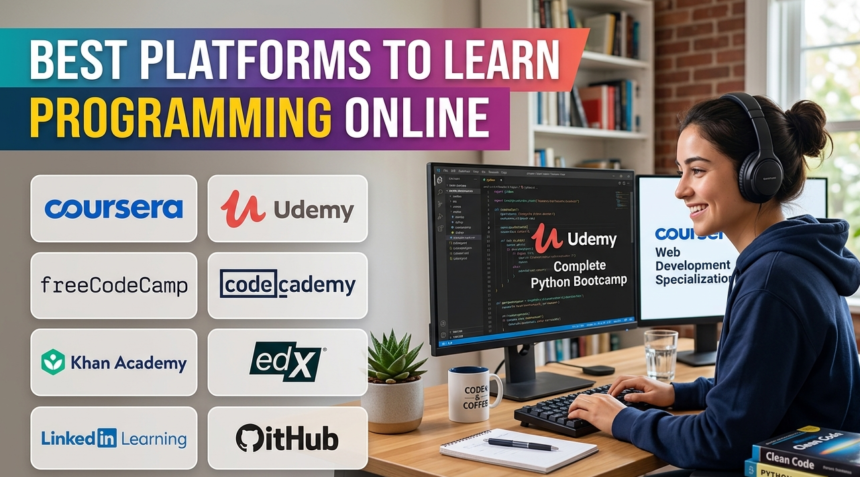
As the demand for programming skills continues to rise, numerous online platforms have emerged to facilitate learning in this field. Each platform offers a unique approach, catering to diverse audiences with varying needs. Here, we will explore some of the most reputable platforms: Codecademy, Coursera, Udemy, edX, and freeCodeCamp.
Codecademy is renowned for its interactive learning environment, allowing users to write code in real-time through a series of guided lessons. Its curriculum covers a wide range of programming languages, including Python, JavaScript, and Ruby, making it suitable for beginners and intermediate learners alike. Codecademy’s structured pathways and immediate feedback help reinforce the learner’s understanding of coding concepts.
Coursera collaborates with top universities and corporations to offer courses across various programming languages and frameworks. Participants can access comprehensive resources, including video lectures, reading materials, and quizzes. Coursera is ideal for learners who prefer a more academic approach and wish to obtain certifications that are recognized by employers.
Udemy boasts an extensive library of programming courses created by individual instructors. This platform allows learners to choose from thousands of tutorials covering a multitude of programming topics. Udemy’s pay-per-course model enables users to access lessons at their own pace, making it suitable for both beginners and advanced coders looking to specialize in specific technologies.
edX offers rigorous courses provided by prestigious universities, delivering an educational experience similar to that of traditional institutions. Its programming offerings are vast, and students can engage in both self-paced and instructor-led courses. edX is particularly suited for those seeking in-depth educational experiences with opportunities for university credit.
freeCodeCamp distinguishes itself by providing a completely free learning experience focused on web development. With a hands-on approach, learners complete real-world projects and gain practical experience, appealing to those who are motivated by acquiring job-ready skills.
In-Depth Review of Specific Learning Platforms
As the demand for programming skills continues to rise, various online platforms have emerged to cater to different learning preferences and goals. This section delves into a few notable platforms, examining their offering, strengths, and potential drawbacks to help learners make informed decisions.
Codecademy is one of the most popular coding platforms, offering interactive code challenges and projects in various programming languages, including Python, Java, and JavaScript. Users appreciate its hands-on approach, which enables them to build their skills through real-world projects. However, some learners find the free tier somewhat limiting, as many advanced courses require a paid subscription. The structured curriculum is excellent for beginners, yet it may not offer enough depth for more experienced programmers seeking in-depth knowledge.
Coursera partners with top universities to provide professional programming courses. The courses are designed by industry leaders and often include video lectures, quizzes, and peer-reviewed assignments. Benefits include the flexibility to learn at one’s own pace and the potential for earning recognized certificates. However, the programs can vary significantly in interaction and support, depending on the institution. Some students have mentioned that certain courses can be less engaging compared to other platforms.
Udemy boasts a vast array of programming courses on diverse topics, ranging from web development to data science. Users appreciate the affordability of one-time purchases, which grant lifetime access to courses. This platform allows experts to create their own courses, resulting in a wide range of teaching styles and content quality. Some critics note that the sheer volume of courses can be overwhelming, and the inconsistency in course quality may require additional research before enrollment.
Another great option is edX, which offers free courses from prestigious institutions. The platform supports learners with self-paced options and extensive resources. However, like Coursera, edX can sometimes exhibit a lack of hands-on activities compared to more interactive platforms, which might affect the learning retention for some users.
In conclusion, each platform has its unique qualities, making it crucial for learners to evaluate their individual preferences and goals to choose the best online programming education source for themselves.
Community and Support Features in Learning Platforms
In the digital age, learning programming online has become increasingly popular, and a key element that significantly enhances the learning experience is the presence of robust community and support features. These elements foster a more engaging and effective environment for learners by facilitating interaction among students and educators. Platforms that incorporate forums, peer reviews, mentorship opportunities, and community-driven Q&A sections are particularly valuable.
Forums provide a space for students to connect, share ideas, and seek assistance from peers and instructors. Engaging in discussions not only clarifies doubts but also encourages networking and collaboration, which can lead to a deeper understanding of programming concepts. Many learners often benefit from the exchange of information, coding tips, and feedback that such platforms promote.
Peer review features serve a dual purpose; they allow learners to share their projects and receive constructive criticism, while also offering the opportunity to evaluate the work of others. This reciprocal process is critical in building analytical skills, which are essential in programming. Providing feedback requires learners to analyze code logically, improving their critical thinking abilities.
Another significant aspect is mentorship, where experienced professionals guide learners through their educational journey. Many platforms connect students with mentors who can provide personalized advice, career guidance, and insights from their own experiences in the programming field. This individualized support can be a game-changer for beginners who may feel overwhelmed by the complexities of coding.
Furthermore, community-driven Q&A sections position learners to seek answers to specific programming questions. This collaborative troubleshooting enhances learners’ problem-solving skills while fostering a sense of belonging within the community. Together, these features underscore the importance of community interaction and support in online programming platforms, making the learning process not only more comprehensive but also more enjoyable.
Cost Comparison of Online Learning Platforms
When considering the best platforms to learn programming online, the cost structure emerges as a crucial factor for prospective learners. Various online programming platforms offer a wide range of pricing models, making it essential to analyze the costs associated with each option. Subscription-based models, one-time payments for specific courses, and potential hidden fees must all be factored into this comparison.
Many popular platforms, such as Udacity, Coursera, and Codecademy, typically operate on a subscription basis. For instance, Udacity offers Nanodegree programs that can range from $399 to $999 for a full course. Conversely, platforms like Coursera offer a pay-per-course structure, with prices varying dramatically, often falling between $39 to $79 per month unless a subscription for a special membership is purchased. Codecademy also uses a subscription model with a Pro plan priced at approximately $39.99 per month, which unlocks additional resources and support.
Moreover, platforms like edX and Pluralsight provide alternatives with free introductory courses, although certificates and advanced content may incur additional costs. Potential hidden costs, such as materials, exam fees, or project submissions, should also be examined to avoid unexpected expenses while budgeting for your programming education. This is especially true for platforms that might require purchasing textbooks or software licenses that add to the total cost of the learning experience.
Ultimately, when evaluating online programming platforms, it is important to compare not just the upfront costs but also the overall value each platform provides in terms of content quality, support, and resources. Making an informed decision will help learners maximize their educational investment in programming.
Self-Paced Learning vs. Structured Programs
When it comes to learning programming online, two predominant approaches are self-paced learning and structured programs. Each method presents unique advantages and potential drawbacks, making it essential for learners to assess which aligns more closely with their individual learning habits, schedules, and goals.
Self-paced learning offers unparalleled flexibility, allowing participants to learn at their own speed. This method typically involves accessing pre-recorded lectures, reading materials, and exercises, which learners can complete whenever and wherever they choose. The primary advantage of this approach is that it accommodates various lifestyles, making it particularly appealing for working professionals or individuals with family commitments. Furthermore, self-paced learners can revisit complex topics as needed, ensuring a deeper understanding of difficult concepts. However, the lack of a structured environment may lead some to struggle with motivation and discipline, potentially delaying their learning progress.
In contrast, structured programs, often offered by established online platforms, consist of carefully curated courses with a defined curriculum, timelines, and performance assessments. These programs typically include interactive elements such as live sessions, group projects, and mentorship, fostering a sense of community among learners. The benefit of a structured approach is that it provides a clear pathway to acquiring programming skills, which can help keep learners accountable and engaged. Nevertheless, the rigid deadlines and pacing may not suit everyone; those with unpredictable schedules or a preference for exploring topics at their own rhythm may find this system challenging.
Ultimately, the decision between self-paced learning and structured programs rests on personal preferences. Those seeking flexibility may gravitate toward self-paced courses, while those craving a more guided experience may benefit from structured offerings. Assessing one’s own schedule, motivation level, and learning style is crucial when making this choice.
Success Stories: Learning Programming Online
Many individuals have successfully transformed their careers and hobbies by learning programming online. These success stories demonstrate that despite varying backgrounds and levels of experience, online programming education can lead to significant personal and professional growth.
Take, for instance, the story of Maria, a stay-at-home mother who decided to learn programming while caring for her children. By enrolling in an online coding bootcamp, she developed her skills in web development. Maria dedicated a few hours each day to complete the courses and practice her coding skills. Now, she has successfully launched her own freelance business, creating websites for local clients. Her journey illustrates how online platforms can empower individuals to transition into new careers, regardless of their starting point.
Another inspiring example is Mark, who was working in retail but found a passion for technology after discovering online programming courses. He started learning Python through tutorials and interactive coding challenges available on various platforms. After months of commitment, Mark secured a position as a junior software developer at a tech company. His success story highlights the effective nature of self-paced online learning in helping individuals shift their career paths significantly.
Lastly, let’s consider Priya, who originally pursued a degree in graphic design but was intrigued by the possibilities of combining design with programming. Through meticulous online study, she learned how to code in HTML, CSS, and JavaScript. Priya was able to transition her career towards web design, integrating her coding capabilities into her artistic work. Her journey showcases the versatility that online programming education can offer, enabling individuals to refine and expand their existing skill sets.
These diverse success stories exemplify how learning programming online can unlock new opportunities and provide a pathway to fulfilling careers. With determination and the right resources, anyone can embark on a journey to become proficient in programming from the comfort of their own homes.
Conclusion and Recommendations
In summarizing the exploration of various online platforms for learning programming, it is evident that each platform holds unique advantages catering to a diverse range of learning styles and objectives. Platforms such as Coursera and edX offer a comprehensive educational experience through partnerships with top universities, providing courses that often lead to accredited certificates. These platforms are ideal for learners seeking structured pathways and recognized qualifications in programming.
Furthermore, platforms like Codecademy and freeCodeCamp emphasize an interactive and hands-on approach to coding. They are particularly suitable for beginners who prefer gaining practical experience through coding exercises and projects. These resources create an engaging learning environment by allowing users to work on real-world applications, making the learning process both practical and enjoyable.
For those focused on more self-directed learning, Udacity and Pluralsight offer specialized programs and cater to intermediate to advanced learners. With a wide array of topics and a focus on career readiness, these platforms are particularly useful for individuals looking to deep-skill or pivot in their careers. Additionally, many of these platforms provide valuable community support and mentorship opportunities, further enhancing the learning journey.
Ultimately, the best choice for an online programming education will depend on the individual’s specific goals, preferred learning style, and budget. New learners may wish to start with platforms that emphasize hands-on experience, while those looking to gain in-depth knowledge in particular niches can explore specialized offerings. Whichever path learners choose, it is essential to engage consistently and utilize available resources to maximize the programming learning experience effectively.