

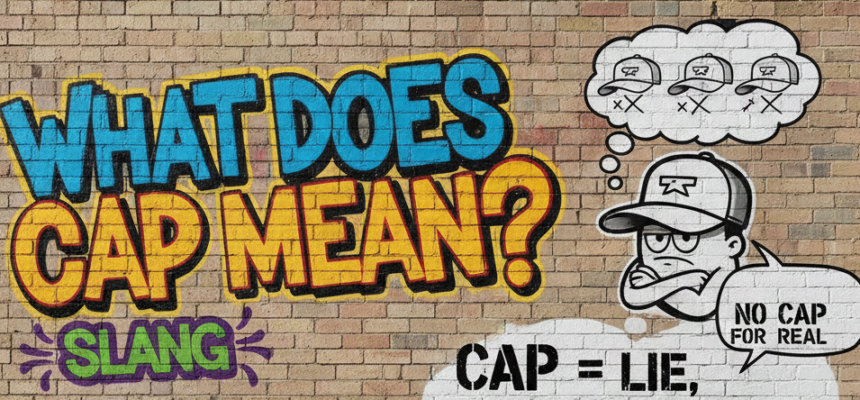
Slang is a living, breathing aspect of language that evolves with each generation. It reflects our culture, experiences, and even the way we connect with one another. If you’ve spent time on social media or hanging out with younger crowds, you might have come across the term “cap.” But what does cap mean in slang? This seemingly simple word has made waves in conversations and online interactions alike. Let’s dive into its meaning, origins, and how it became a staple in today’s vernacular.
The Meaning of “Cap” in Slang
The term “cap” in slang has taken on a life of its own. It primarily means to lie or exaggerate about something. When someone says, “That’s cap,” they’re calling out falsehoods or deceit.
This usage is common among younger generations, especially on social media platforms like TikTok and Twitter. The phrase often follows a statement that seems too outrageous to be true.
Conversely, the term can also take on a positive spin when people say “no cap.” In this context, it signifies honesty and sincerity. For example, saying “I really enjoyed that movie, no cap” emphasizes truthfulness in their expression.
Understanding these nuances adds depth to conversations and keeps interactions vibrant. As language evolves rapidly today, recognizing such slang helps bridge gaps between different age groups and cultures.
Origins of the Term “Cap”
The term “cap” in slang has intriguing roots. It’s commonly believed to have emerged from African American Vernacular English (AAVE). This dialect has significantly influenced mainstream culture and language, especially through music and social media.
Initially, “cap” was used to denote lying or exaggerating. The phrase “no cap” gained traction as a way to emphasize honesty. In essence, when someone says “no cap,” they are asserting that what they’re saying is genuine.
The word also finds its origins in the concept of a “cap on the truth.” Just like putting a lid on something, it implies holding back reality.
As hip-hop culture grew in popularity during the late 20th century, so did this expression. Artists began using it more frequently in their lyrics and conversations, solidifying its place in modern vernacular.
Usage and Popularity of “Cap” in Modern Culture
The term “cap” has exploded in popularity, especially among younger generations. It’s frequently used in social media, music, and everyday conversations to express disbelief or call out dishonesty.
Platforms like TikTok and Twitter have played a significant role in its spread. Memes featuring the word often garner thousands of likes and shares. This rapid dissemination keeps the slang fresh and relevant.
Influencers and artists also contribute to its rise. Rappers often incorporate “cap” into their lyrics, elevating it within popular culture. As a result, the phrase resonates with fans who adopt it as part of their vernacular.
Beyond casual chats, “cap” is now seen on merchandise too—hats emblazoned with clever phrases make for humorous fashion statements. The adaptability of this slang shows how language evolves while staying rooted in cultural trends.
Other Meanings and Variations of “Cap”
While “cap” primarily refers to lying in slang, it has other meanings worth noting. In the world of sports, for instance, a “cap” often refers to an athlete’s participation in games at a national level.
In fashion, “cap” can describe various styles of headwear. Think baseball caps or snapbacks; these are essential accessories that blend function and style.
Additionally, in gaming lingo, players might use “cap” when discussing limits or maximums—like capping their XP points or resources.
Social media users also employ “no cap” as a way to emphasize sincerity or seriousness about what they’re saying. It’s all about context! Each variation highlights how versatile this simple term can be across different settings and cultures.
Common Phrases with “Cap”
“Cap” frequently appears in a variety of phrases that add flair to casual conversations. One popular expression is “No cap,” which means someone is being honest or sincere. It serves as a way to emphasize truthfulness, often used when discussing something surprising or hard to believe.
Conversely, the phrase “Cap it off” can mean finishing something with an impressive touch. You might hear this when someone wraps up a project or celebration in style.
Another common usage is “That’s cap,” which dismisses an exaggeration or lie. It’s perfect for calling out misinformation among friends.
You might come across “Capping” in discussions about lying or deceiving others. This term highlights the act of not being truthful and encourages authenticity within social circles.
How to Use
Using “cap” in conversation is straightforward and versatile. It often conveys disbelief or skepticism about something someone has said.
For example, if a friend boasts about their latest achievement, you might respond with “That’s cap,” implying that you don’t believe them. It adds an air of casual dismissal.
You can also use “no cap” to emphasize honesty. Saying “I’m really excited for the concert, no cap,” asserts that your enthusiasm is genuine.
In text messages or social media, it fits perfectly into memes and slang-heavy conversations. Just remember to consider your audience; not everyone may be familiar with its meaning yet.
Feel free to sprinkle it into everyday chats among friends who appreciate modern lingo. Its informal nature keeps interactions lively and relatable.
Conclusion: Keep Up with the Latest Slang Terms
Slang evolves rapidly, and staying updated is essential. The term “cap” has gained significant traction in recent years, particularly among younger generations. Its meaning can vary depending on context, but it generally signifies dishonesty or exaggeration.
Understanding phrases like “no cap” can enhance your communication skills, especially in social settings or online interactions. Using slang effectively allows you to connect with others more authentically and stay relevant in conversations.
As language continues to shift and adapt, keeping an eye on emerging slang terms will ensure you’re not left behind. Embrace the playful nature of language; it reflects culture and connects us all.