

In today’s fast-paced world, the relationship between media and politics has never been more crucial. Every day, we are bombarded with information from various sources—television news, social media platforms, podcasts, and online articles. As citizens, our understanding of political events and issues is heavily influenced by how they are presented through these channels.
But what does this mean for democracy? How do these myriad voices shape public opinion and policy decisions? From shaping narratives to creating movements, the role of media in modern politics cannot be underestimated. Join us as we explore the intricate dance between journalists, politicians, and audiences in an era where every tweet or headline can sway public sentiment at a moment’s notice.
Historical Overview of Media’s Role in Politics
The relationship between media and politics has deep roots. From the invention of the printing press in the 15th century, political pamphlets became tools for spreading revolutionary ideas. Citizens could access information that previously remained exclusive to elites.
As newspapers gained popularity in the 18th and 19th centuries, they shaped public opinion significantly. Politicians began recognizing their power as platforms for persuasion and advocacy.
With radio broadcasts in the early 20th century, politicians could reach wider audiences instantly. Franklin D. Roosevelt’s “Fireside Chats” exemplified this shift, turning listeners into supporters through intimate conversations.
Television cemented media’s hold on politics during election campaigns from the late 20th century onward. The Kennedy-Nixon debates highlighted how visual presentation could sway public perception dramatically.
Each era of technological advancement reshaped interactions between citizens, politicians, and media outlets—an ever-evolving dance that continues today with new challenges and opportunities emerging at every turn.
The Influence of Social Media on Political Discourse
Social media has transformed the landscape of political discourse. Platforms like Twitter, Facebook, and Instagram allow politicians to communicate directly with voters. This immediate access can foster a sense of connection.
However, it also amplifies voices that may not be grounded in facts. Misinformation spreads rapidly, creating echo chambers where beliefs are reinforced rather than challenged.
Moreover, social media enables grassroots movements to gain traction quickly. Activists leverage hashtags and viral content to mobilize support for causes that might otherwise go unnoticed.
The speed at which information circulates shapes public opinion almost instantaneously. Politicians must now navigate an environment where their words and actions can be scrutinized by millions within seconds.
This dynamic creates both opportunities and challenges for democracy itself. It raises questions about accountability while empowering citizens to engage more actively in the political process.
Fake News and its Impact on Public Opinion
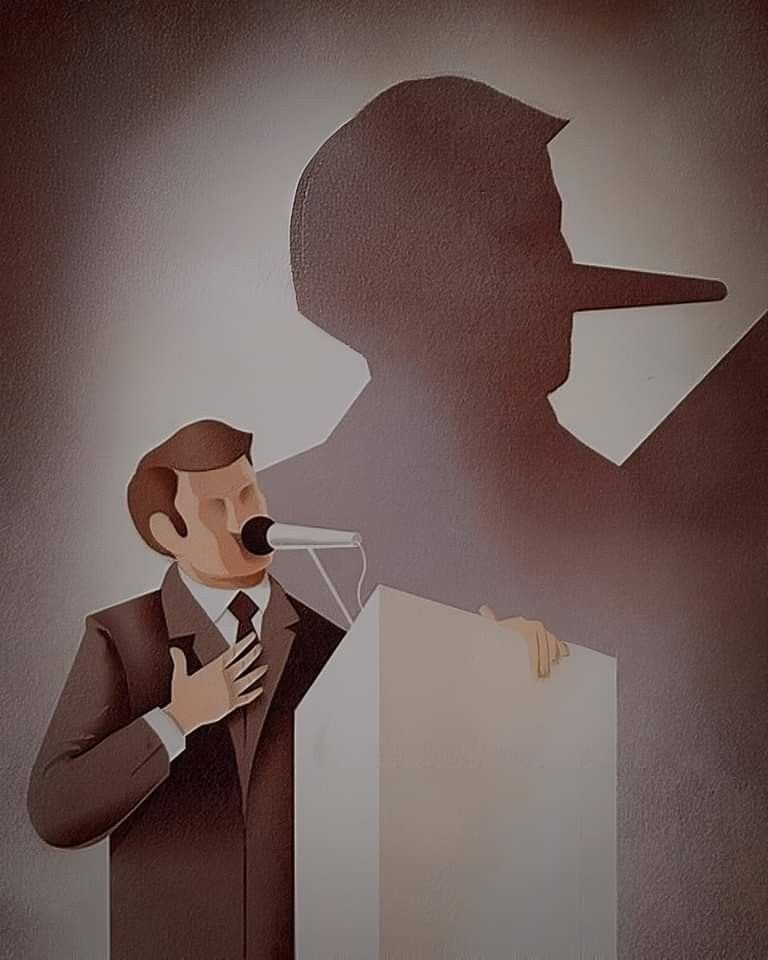
Fake news has become a pervasive issue in today’s media landscape. It spreads like wildfire, often outpacing the truth. Misinformation can shape public opinion in profound ways.
People are more likely to believe sensational headlines without verifying facts. This rush to judgment influences how communities perceive political candidates and policies. Emotion-driven narratives resonate deeply, leading individuals to align with partisan viewpoints rather than objective analysis.
The consequences are far-reaching. Trust in traditional media erodes as audiences grapple with conflicting information from various sources. When falsehoods dominate discussions, it creates an environment where critical thinking takes a backseat.
Moreover, fake news can amplify societal divides. As different groups latch onto varying narratives, polarization intensifies, making constructive dialogue increasingly difficult. Understanding this dynamic is essential for navigating the complex world of modern politics and ensuring informed citizenry remains at the forefront of democracy.
The Power of Visual Media in Shaping Political Narratives
Visual media wields immense power in the political arena. Images, videos, and infographics can convey complex ideas quickly and effectively. They capture attention in a way that text often cannot.
Consider campaign advertisements or viral social media posts. A striking image can evoke emotions and influence perceptions instantly. This emotional connection makes visual content memorable.
Moreover, platforms like YouTube and TikTok have transformed how politicians engage with the public. Short clips can go viral overnight, shaping narratives before traditional media even catches up.
Political memes also play a crucial role today. What was once a simple photo might morph into an entire narrative through user-generated content, reshaping opinions across diverse demographics.
In essence, visual storytelling creates a dynamic landscape where political messages are crafted not just for information but to stir feelings and foster engagement among viewers.
The Relationship between the Government and Media
The relationship between government and media is complex, shaped by a delicate balance of power. Governments rely on media to communicate policies and engage with citizens. In turn, the media serves as a watchdog, holding leaders accountable.
However, this dynamic can lead to tension. When governments attempt to control narratives or manipulate information, trust erodes. Journalists face challenges in reporting freely when faced with censorship or pressure.
Moreover, state-owned outlets present a different scenario. They often echo governmental viewpoints and can skew public perception. This raises questions about objectivity and independence in journalism.
As technology evolves, so does this relationship. Social platforms provide new avenues for communication but also complicate how information flows between the two entities.
Navigating this landscape requires vigilance from both sides—government transparency fosters journalistic integrity while responsible journalism supports democratic values.
The Role of Responsible Journalism in Promoting Democracy
Responsible journalism acts as the backbone of a functioning democracy. It provides citizens with accurate information essential for making informed decisions.
A commitment to truth fosters trust in media outlets. When journalists adhere to high ethical standards, they empower communities by presenting facts without bias or sensationalism.
Investigative reporting plays a crucial role in holding power accountable. Journalists uncover corruption and highlight injustices, ensuring that those in positions of authority are scrutinized.
Moreover, diverse perspectives enrich public discourse. Responsible journalism amplifies voices from various backgrounds, promoting inclusivity and understanding within society.
In an era where misinformation spreads rapidly, reliable news sources become even more vital. They serve as gatekeepers of information who can help cultivate critical thinking among the populace.
By championing transparency and fairness, responsible journalism not only informs but also inspires active civic engagement and participation in democratic processes.
Conclusion
The interplay between media and politics is more intricate than ever. As we navigate through the complexities of modern governance, it becomes evident that media is not just a backdrop but an active participant in shaping political narratives. From traditional newspapers to digital platforms, each medium plays its unique role.
Social media has transformed how politicians communicate with their constituents. It has broken down barriers, allowing for direct interaction between leaders and citizens. However, this immediacy brings challenges like misinformation and echo chambers that can distort public perception.
Visual storytelling also plays a crucial part in political communication today. Images and videos have the power to evoke emotions quickly and effectively, often leaving a lasting impression on audiences far beyond what words alone can achieve.
The relationship between government entities and the press remains delicate yet vital for democracy’s health. A transparent exchange fosters accountability while responsible journalism serves as a guardian against tyranny.
As society continues to grapple with fake news and sensationalism, upholding journalistic integrity will be fundamental in fostering informed citizenry. The responsibility lies not only with journalists but also with consumers of news who must critically engage with information sources.
In this dynamic landscape, understanding the evolving role of media in politics is essential for both leaders and voters alike. Each play an integral part in ensuring that democracy thrives amid rapid technological advancements.