


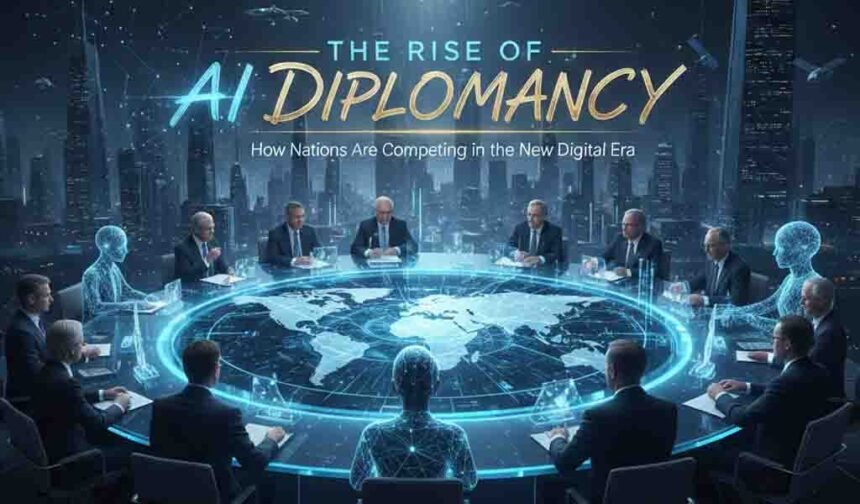
Introduction: The Growing Influence of AI in Diplomacy
In an era where technology evolves at lightning speed, nations are finding new ways to connect, negotiate, and resolve conflicts. Enter AI diplomacy—an innovative approach that leverages artificial intelligence to navigate the complex world of international relations. As countries race to adopt these digital tools, the landscape of diplomacy is transforming before our eyes.
Gone are the days when face-to-face meetings were the only means of negotiation. Today, algorithms and machine learning play a significant role in shaping foreign policy decisions. With data-driven insights and predictive analytics, governments can make more informed choices about their global interactions. But what does this mean for traditional diplomatic practices?
As we dive deeper into this fascinating topic, we’ll explore how AI is reshaping the future of diplomacy while also weighing its potential benefits against inherent risks. Welcome to a new age where technology meets statecraft—a realm full of possibilities and challenges alike!
What is AI Diplomacy?
AI diplomacy refers to the integration of artificial intelligence technologies into diplomatic practices. It involves using AI tools and systems to enhance communication, analysis, and decision-making among nations.
At its core, AI diplomacy operates on data-driven insights. Countries leverage algorithms to interpret vast amounts of information quickly. This enables diplomats to understand global trends and public sentiments in real-time.
Machine learning models can analyze historical patterns in international relations. They help predict potential outcomes of negotiations or conflicts based on past data.
Moreover, AI aids in automating routine tasks like drafting reports or managing schedules. This allows human diplomats more time for strategic discussions.
As technology evolves, so does the role of AI in fostering relationships between states. Nations are exploring new ways to engage with each other through virtual platforms powered by intelligent systems.
The Advantages and Limitations of Using AI in Diplomacy
AI offers numerous advantages in the realm of diplomacy. It enables quick data analysis, processing vast amounts of information that would take humans weeks or months to interpret. This helps diplomats make informed decisions based on real-time insights.
Moreover, AI can enhance communication by breaking down language barriers through advanced translation tools. Nations can engage more effectively with each other, fostering collaboration and understanding.
However, there are limitations to consider. AI lacks the emotional intelligence and cultural sensitivity that human diplomats possess. Misinterpretations may arise from nuanced communications or historical contexts.
Additionally, reliance on algorithms raises ethical concerns about bias in decision-making processes. If not carefully managed, these biases could perpetuate misunderstandings between nations rather than resolve them.
The balance between leveraging technology and maintaining human intuition remains a challenge as countries navigate this new landscape.
Examples of Nations Utilizing AI Diplomacy
Several countries are leading the way in adopting AI diplomacy, each with unique strategies and applications.
The United States has invested heavily in advanced algorithms to analyze global trends. This data-driven approach allows for informed decision-making on international policies and negotiations.
China, on the other hand, leverages AI for real-time monitoring of geopolitical developments. Their systems assess vast amounts of data to predict outcomes and shape diplomatic relations proactively.
In Europe, nations like Estonia employ AI tools to enhance digital governance. These innovations streamline communication between governments and citizens, fostering transparent diplomatic processes.
Smaller countries are not left behind either. Nations such as Singapore harness AI chatbots to facilitate citizen engagement in foreign policy discussions. This encourages public input while maintaining efficiency.
Israel’s use of machine learning aids its intelligence efforts, improving responses to threats and enhancing its negotiating power on various fronts. Each nation’s focus highlights a diverse landscape in the realm of AI diplomacy.
Potential Impacts and Concerns Surrounding AI Diplomacy
As nations embrace AI diplomacy, several potential impacts and concerns arise. One major issue is the risk of miscommunication. Algorithms may interpret nuanced human emotions or cultural contexts differently, leading to unintended diplomatic faux pas.
Privacy concerns are also paramount. The use of AI often involves massive data collection, raising questions about surveillance and individual rights. Countries must navigate this delicate balance between leveraging technology and respecting citizen privacy.
Moreover, the reliance on AI can create vulnerabilities in international relations. A cyberattack could disrupt communication channels or manipulate diplomatic outcomes, making trust a significant concern among nations.
There’s the fear that automation might diminish human input in crucial negotiations. While AI can analyze vast amounts of information swiftly, it lacks empathy—a critical component in building lasting relationships between countries.
The Future of AI Diplomacy: Predictions and Speculations
As AI technology continues to evolve, its role in diplomacy is poised for dramatic changes. We may see nations harnessing advanced algorithms to analyze international relations in real-time. This could lead to faster decision-making and more responsive foreign policies.
Imagine virtual diplomats powered by machine learning, capable of understanding cultural nuances and negotiating complex treaties without human intervention. While this sounds futuristic, some countries are already experimenting with such systems.
However, the future won’t be devoid of challenges. Issues around bias in AI models could affect diplomatic outcomes negatively. Ensuring fairness will be crucial as we navigate these uncharted waters.
Moreover, public trust might wane if citizens feel sidelined by automated processes. How governments choose to integrate human insight into AI-driven strategies will determine the success or failure of this new form of diplomacy moving forward.
Conclusion: The Role of Human Input in the Age of AI Diplomacy
The rise of AI diplomacy certainly marks a transformative shift in the way nations interact on the global stage. However, even as technology advances, the importance of human insight remains paramount. While algorithms can analyze vast amounts of data and predict trends with impressive accuracy, they lack emotional intelligence and contextual understanding.
Diplomatic relations often hinge on nuance—a skill that artificial intelligence struggles to master. Human diplomats excel at reading body language, tone, and unspoken cues during negotiations. They bring empathy and cultural awareness into discussions that machines simply cannot replicate.
Moreover, ethical considerations play a crucial role in decision-making processes within international relations. The potential for bias in AI systems raises questions about fairness and representation in diplomatic engagements. Humans must guide these technologies to ensure equitable outcomes.
As we navigate this new landscape of AI diplomacy, it is essential to strike a balance between leveraging technological advancements and preserving the irreplaceable qualities that define effective diplomacy—trust-building, negotiation skills, and moral judgment are best left to people.
The future will likely see an intricate partnership between humans and AI systems. Together they can cultivate more efficient communication channels while maintaining the depth required for genuine connection among nations. As this evolution unfolds, one thing is clear: human input will remain indispensable in shaping the course of international relations amidst growing digital influence.