


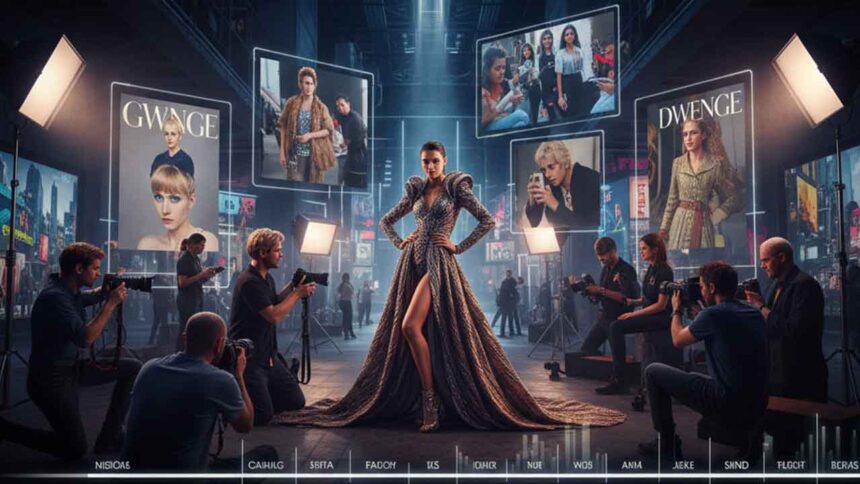
The Power of Fashion Photography in Shaping Style and Culture
Introduction to fashion photography
Fashion photography is more than just a visual feast; it’s a powerful lens through which we can explore the ever-evolving landscape of style and culture. Each photograph tells a story, capturing not only garments and accessories but also the emotions and ideals associated with them. From iconic magazine covers to street style snaps on social media, fashion photography serves as both an art form and a cultural commentary.
As we delve into this captivating world, we’ll uncover how this medium has shaped trends, influenced lifestyles, and even sparked conversations about identity. The evolution of fashion photography reflects societal changes over time while simultaneously setting the stage for what’s next in style. So grab your camera or scroll through Instagram—let’s take a closer look at how fashion photography continues to mold our understanding of beauty and self-expression.
The history of fashion photography and its evolution
Fashion photography has roots that stretch back to the mid-19th century. Early pioneers like Adolphe Braun showcased garments in striking compositions, setting a foundation for what was to come.
As technology advanced, so did the art form. The introduction of color film in the 1930s brought vibrancy to fashion shoots, allowing photographers like Edward Steichen and Horst P. Horst to create iconic imagery that transcended mere clothing representation.
The ‘60s and ‘70s marked an explosion of creativity. Photographers such as Richard Avedon and Helmut Newton pushed boundaries with bold concepts that captured not just clothing but also cultural shifts. Their work defined eras and influenced societal norms about beauty and style.
With each decade, fashion photography adapted to reflect changing aesthetics and values. It became a powerful medium for storytelling, merging high art with commercial intent while challenging conventions along the way.
The influence of fashion photographers on style and culture
Fashion photographers possess an extraordinary ability to translate concepts into visual narratives. Their lens captures not just garments but the essence of style itself.
Through their work, they create aspirational worlds that inspire countless individuals. A striking photograph can ignite trends overnight and reshape perceptions about beauty and identity.
These artists often challenge societal norms, pushing boundaries on what is deemed fashionable or acceptable. They bring marginalized voices into the spotlight, reflecting a diverse array of cultures and experiences.
As custodians of creativity, fashion photographers influence designers and brands alike. Each image tells a story that resonates with viewers across generations.
Their work extends beyond magazines; it seeps into our everyday lives, influencing personal style choices in profound ways. Fashion photography serves as both a mirror and a canvas for evolving cultural dialogues around appearance, individuality, and expression.
Impact on the fashion industry
Fashion photography plays a critical role in the fashion industry. It serves as a bridge between designers and consumers, translating creative visions into visually stunning narratives.
The images captured by talented photographers often dictate trends. A striking photograph can make a piece of clothing iconic overnight. Designers rely on these visuals to showcase their work and evoke emotion.
Moreover, fashion photography drives marketing strategies. Brands invest heavily in campaigns featuring captivating imagery that resonates with target audiences. This powerful storytelling elevates products beyond mere garments; it connects them to lifestyle aspirations.
Season after season, collections are introduced through breathtaking editorials and lookbooks. These visuals not only highlight fabrics and cuts but also present an entire ethos surrounding the brand’s identity.
As new technologies emerge, such as augmented reality or AI-generated models, fashion photography continues to evolve, influencing how we perceive style in unprecedented ways.
Role of social media in the rise of fashion photography
Social media has revolutionized the world of fashion photography. Platforms like Instagram and TikTok have become vital for both emerging and established photographers. They offer a space to showcase work, build an audience, and connect with brands.
The instant nature of social media allows trends to emerge overnight. A single post can launch a new style or revive a forgotten one. This speed creates opportunities that traditional print media simply cannot match.
Influencers play a significant role in this landscape. Their collaborations with photographers often blur the lines between professional and personal styling, making fashion more accessible. With every shared photo, they help shape public perception of what’s stylish or desirable.
User-generated content also enriches the dialogue around fashion photography. Everyday individuals contribute their unique takes on style, creating a diverse tapestry that reflects broader cultural shifts while challenging conventional beauty standards.
Controversies surrounding fashion photography
Fashion photography often stirs debate. The portrayal of unrealistic body standards is a significant point of contention. Many argue that these images can contribute to harmful self-image issues among viewers.
Additionally, the industry faces scrutiny for its lack of diversity. A narrow representation can alienate many individuals who find themselves unrepresented in mainstream fashion imagery.
The creative process itself sometimes draws criticism. Questions about consent and objectification arise, especially when depicting models in vulnerable scenarios.
Moreover, the use of digital manipulation raises ethical concerns. While retouching can enhance visuals, it may also distort reality and mislead consumers about beauty norms.
Fashion photography continues to provoke discussions around ethics and authenticity, challenging both creators and audiences to reflect on their values within this visual medium.
Future of fashion photography
The future of fashion photography is poised for exciting transformations. Emerging technologies like AI and augmented reality are already reshaping how we perceive style. Imagine virtual models strutting down digital runways, blurring the lines between fantasy and reality.
Sustainability will also play a crucial role. Photographers may focus on eco-friendly practices, showcasing brands that prioritize ethical production. This shift could spark new visual narratives emphasizing responsible consumption.
Moreover, global voices will rise in prominence within the industry. Diverse perspectives can create richer storytelling, reflecting a broader range of cultures and influences.
Social media continues to evolve rapidly too. Platforms like TikTok might redefine how fashion content is created and shared, favoring authenticity over polish.
As these trends unfold, one thing remains clear: fashion photography will continue to adapt and innovate while capturing the essence of our ever-changing world.
Conclusion
Fashion photography is more than just striking images. It’s a powerful medium that shapes perceptions and trends, influencing both individual style and broader cultural movements. From its historical roots to the digital age’s explosive growth, this art form continues to evolve.
The impact of fashion photographers extends beyond mere aesthetics; their work often reflects societal changes and challenges norms. Social media has amplified their reach, allowing diverse voices and styles to emerge. However, with influence comes responsibility, as controversies highlight the need for ethical practices within the industry.
Looking ahead, fashion photography seems destined for further transformation. As technology advances and new platforms arise, it will continue shaping how we view fashion and culture. The journey is ongoing—filled with creativity, innovation, and an ever-expanding dialogue about what style means in our world today.