

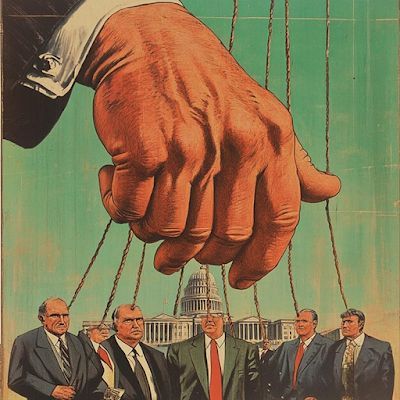
Political propaganda is an age-old tactic that shapes public opinion and influences behavior. It can be found in every corner of the globe, from grand speeches to social media posts. But what exactly is political propaganda? At its core, it’s a method used by governments, organizations, and individuals to promote particular ideas or agendas through persuasive messaging.
In today’s fast-paced world, where information spreads like wildfire, understanding the nuances of political propaganda has never been more critical. The line between fact and fiction often blurs when emotions are high and stakes are elevated. As citizens navigating this complex landscape, it’s essential to arm ourselves with knowledge about how these techniques work and their potential consequences on society.
So why does it matter? Because being informed allows us to recognize manipulation as we encounter it daily—whether at the ballot box or scrolling through news feeds. Let’s delve deeper into the strategies behind political propaganda and explore its far-reaching effects on our lives.
Types of Propaganda Techniques
Political propaganda employs various techniques to influence public opinion and shape narratives. One common method is **bandwagoning**. It encourages individuals to join the majority, suggesting that everyone else supports a particular cause or candidate.
Another approach is **fearmongering**. This technique plays on people’s fears by exaggerating threats or dangers associated with opposing views. Such tactics can be powerful motivators in swaying undecided voters.
**Glittering generalities** also play a vital role in propaganda campaigns. Politicians use vague, positive phrases that evoke emotional responses but lack substantive content. Think of slogans like “hope” or “change.” They sound appealing yet often obscure real issues.
Then there’s **scapegoating**, where blame for societal problems is shifted onto specific groups, fostering division and animosity among citizens. These strategies are not just historical relics; they continue to evolve with modern communication methods today.
Examples of Political Propaganda Throughout History
Political propaganda has shaped societies for centuries. During World War I, the U.
S. government launched the Committee on Public Information. This organization used posters and films to rally support for the war effort, portraying enemies in a negative light.
Another notable example is Nazi Germany’s use of propaganda under Joseph Goebbels. The regime created powerful imagery and narratives that demonized Jews while glorifying Aryan culture. This manipulation had devastating effects and left an indelible mark on history.
The 2008 Obama campaign effectively utilized social media as a tool for political messaging. Catchy slogans like “Yes We Can” resonated widely, helping to galvanize young voters and create a sense of hope.
Each instance reveals how propaganda can mobilize public sentiment or distort reality, making it essential to examine its role in shaping perceptions throughout time.
Impact and Consequences of Political Propaganda
Political propaganda can shape public perception dramatically. It influences beliefs and attitudes, often steering them in specific directions. This manipulation can lead to increased polarization within society.
When groups are fed selective information, they may develop an “us versus them” mentality. Such divisions can create hostility between communities. Misinformation spreads quickly, eroding trust in institutions and the media.
Moreover, propaganda has lasting implications for democracy. It can undermine informed decision-making among voters who rely on biased narratives instead of factual reporting.
On a global scale, countries have used propaganda to justify conflict or aggression against others. The consequences ripple through generations, affecting international relations and peace efforts.
In everyday life, individuals might find themselves questioning their views or feeling manipulated by emotional appeals designed to sway opinions rather than promote genuine understanding.
How to Recognize and Combat Political Propaganda
Recognizing political propaganda starts with awareness. Pay attention to emotional language and sensational headlines. These tactics are designed to provoke strong reactions rather than reasoned thought.
Investigate the source of information critically. Is it credible? Look for reputable outlets that provide balanced perspectives. Cross-check facts across multiple platforms before forming an opinion.
Be wary of confirmation bias, where you favor information that aligns with your beliefs while dismissing opposing views. Challenge yourself to explore different viewpoints; this practice can enhance understanding.
Encourage open discussions in your circles. Engaging in dialogue helps clarify misconceptions and promotes diverse ideas.
Educate others about identifying propaganda techniques like fear-mongering or oversimplification of complex issues. The more people understand these methods, the stronger they become against manipulation.
The Role of Social Media in Political Propaganda
Social media has transformed the landscape of political communication. It offers a platform where ideas can spread rapidly, reaching millions in seconds.
Politicians and parties harness these tools to craft narratives that resonate with voters. Memes, videos, and hashtags become vehicles for propaganda. They simplify complex issues into digestible content that often lacks nuance.
Algorithms play a significant role too. They curate feeds based on user preferences, creating echo chambers where misinformation thrives. This selective exposure amplifies divisive messages while silencing dissenting voices.
Engagement metrics drive strategies as well. Likes and shares are like currency in this digital realm, pushing political operatives to prioritize sensationalism over truth.
The impact is profound; social media blurs the line between genuine discourse and orchestrated influence campaigns. As users scroll through their feeds, they must remain vigilant about the messages being shaped around them.
Conclusion: The Importance of Critical Thinking in the Face of Political Propaganda
Political propaganda is a powerful tool that shapes public opinion and influences democratic processes. Its strategies can be subtle or overt, but the consequences often ripple through society.
As we navigate this complex landscape, critical thinking becomes paramount. The ability to question sources, analyze motives, and discern facts from fiction will empower individuals to resist manipulation. Engaging with diverse viewpoints fosters a more informed citizenry capable of making sound decisions.
The stakes are high; misinformation can lead to division and conflict. By honing our critical thinking skills, we can better equip ourselves against the allure of propaganda. This vigilance promotes healthier discourse and strengthens democracy itself.
In an age overflowing with information, discerning truth from deception may seem daunting. Yet it is precisely in these moments of uncertainty that our analytical abilities shine brightest. Embracing skepticism while remaining open-minded allows us to engage thoughtfully with political narratives.
Fostering a culture of critical inquiry not only enhances personal understanding but also contributes to a well-informed society ready to challenge misleading rhetoric head-on.