


Introduction to Climate Change
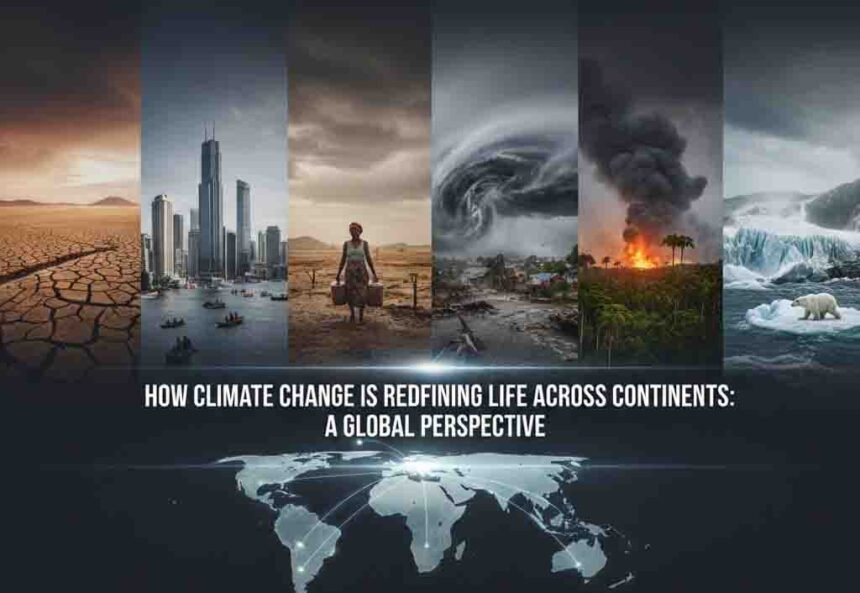
Climate change is no longer just a distant concern; it has become a pressing reality that touches every corner of our planet. As temperatures rise and weather patterns shift, the effects are felt far and wide—from the melting glaciers of Antarctica to the parched landscapes in Africa. It’s reshaping ecosystems, altering human lives, and challenging societal structures across continents.
In this blog post, we will explore how climate change is transforming life globally. We’ll delve into its impact on various regions, examine how animals adapt to these changes, and highlight the consequences for humanity as well. Moreover, we’ll discuss ongoing efforts aimed at mitigating this crisis and take a glimpse into what the future might hold if current trends continue. Join us as we unravel this complex issue affecting all forms of life on Earth today.
The Impact of Climate Change on Different Continents
Climate change is a global phenomenon, affecting every continent in distinct ways. In North America, wildfires and hurricanes have become more frequent and intense. The rising temperatures disrupt ecosystems and threaten wildlife.
South America faces severe challenges as glaciers melt in the Andes. This impacts freshwater supplies for millions of people who rely on these resources for drinking and agriculture.
In Africa, droughts are becoming increasingly common, leading to food insecurity. Coastal nations grapple with rising sea levels that threaten communities already vulnerable to poverty.
Asia experiences extreme weather changes too. Monsoons bring floods while other regions suffer from crippling heatwaves that impact health and agriculture.
Europe isn’t immune either; heatwaves strain energy resources and affect biodiversity across the region’s varied landscapes. Each continent shares a common thread: climate change reshapes environments, livelihoods, and futures in profound ways.
How Animals are Adapting to the Changing Climate
Animals around the world are finding innovative ways to cope with climate change. Many species are adjusting their behaviors, diets, and even migration patterns in response to shifting temperatures.
Birds, for example, have altered their migratory routes. Some are arriving at breeding grounds earlier than before due to warmer spring weather. This shift can impact food availability and reproductive success.
In colder regions, polar bears face melting ice caps that threaten their hunting grounds. They’re adapting by swimming longer distances in search of food but this also increases energy expenditure.
Meanwhile, some amphibians are moving higher up mountains as temperatures rise in lower altitudes. This vertical migration helps them find cooler habitats but reduces available living space over time.
These adaptations highlight the resilience of wildlife facing unprecedented challenges brought on by human activity and environmental shifts. Nature’s ability to evolve is being put to a fierce test amid these changes.
Effects of Climate Change on Human Life and Society
Climate change is reshaping human life in profound ways. Rising temperatures lead to more frequent heatwaves, affecting our health and productivity. Vulnerable populations face the largest threats, struggling to adapt.
Food security is another critical concern. Crop yields are declining due to unpredictable weather patterns. This can result in increased prices and scarcity of essential resources.
Water sources are also impacted. Glacial melt alters freshwater availability, while rising sea levels threaten coastal communities. This forces many to relocate, creating climate refugees.
Mental health issues rise as individuals grapple with uncertainty about the future. Anxiety over natural disasters becomes commonplace, disrupting daily lives.
Social dynamics shift under strain from climate-related challenges. Communities must band together for survival, yet competition for dwindling resources often leads to conflict rather than cooperation.
Navigating these changes requires resilience and innovation at both local and global levels.
Efforts Towards Mitigating Climate Change
Across the globe, nations are banding together to tackle climate change. Initiatives like the Paris Agreement illustrate a collective commitment to reduce greenhouse gas emissions. Countries set ambitious targets, aiming for carbon neutrality by mid-century.
Innovative technologies play a crucial role in these efforts. Renewable energy sources like solar and wind power are gaining traction. They not only combat pollution but also create jobs in emerging sectors.
Communities are embracing sustainable practices as well. Urban areas adopt green architecture, while rural regions invest in eco-friendly agriculture methods. Local activism raises awareness and inspires individuals to make conscious lifestyle choices.
Corporations too are joining the fight against climate change. Many companies now prioritize sustainability in their operations, opting for environmentally friendly materials and reducing waste throughout their supply chains.
Education is another vital component of this movement. Schools include environmental science programs that empower future generations with knowledge about conservation and sustainability strategies.
A Look Into the Future: Predictions and Precautions
As we look forward, the effects of climate change will become increasingly pronounced. Rising temperatures are expected to alter weather patterns globally. More frequent and intense storms could devastate coastal areas, while prolonged droughts may threaten agriculture in various regions.
Innovative technologies offer some hope for adaptation and mitigation. Renewable energy sources like solar and wind power are gaining traction. These alternatives can help reduce greenhouse gas emissions significantly.
Urban planning will play a crucial role as cities expand. Green spaces and sustainable infrastructures can enhance resilience against climate impacts.
Education is vital too; raising awareness about environmental issues empowers communities to take action. Individuals must also adopt eco-friendly practices in their daily lives.
Scientists predict that if current trends continue without intervention, many ecosystems could face irreversible changes by mid-century. It’s essential to act now—before it becomes too late for our planet’s health.
Conclusion
Climate change is a pressing issue that transcends borders. Every continent faces unique challenges and opportunities as our planet evolves. From melting polar ice caps to devastating droughts in Africa, the impacts are profound and far-reaching.
As we observe how animals adapt to these shifts, it becomes clear that nature possesses remarkable resilience. Species evolve or migrate in search of fresh habitats, highlighting the intricate web of life on Earth.
Human societies grapple with the realities of climate change daily. From altering agricultural practices to addressing health issues exacerbated by changing weather patterns, adaptation and mitigation strategies are becoming essential for survival.
Countries worldwide are stepping up efforts to combat this crisis. Renewable energy initiatives, reforestation projects, and international agreements showcase humanity’s determination to protect our planet. Collaboration across nations has never been more critical.
Looking ahead presents both challenges and possibilities. Predictions about rising sea levels and extreme weather events urge us all to take precautionary measures now rather than later—creating sustainable habits can lead us toward a healthier future.
The journey through climate change continues; everyone plays an essential role in shaping what lies ahead for our planet.