


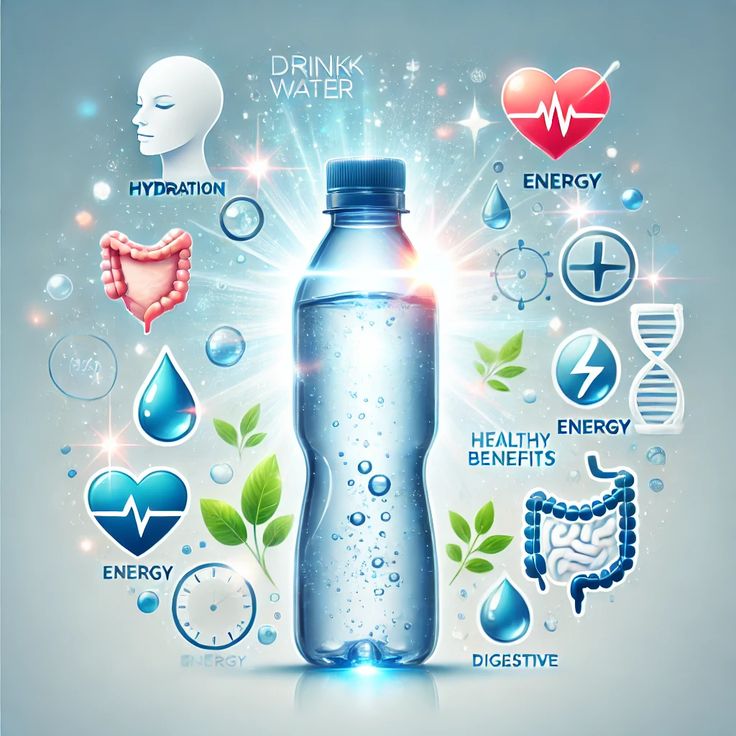
Introduction to water therapy
Water is essential to our lives. It quenches thirst, nourishes plants, and makes up a significant portion of our bodies. But did you know that water can also be a powerful tool for healing? Hydrotherapy, or water therapy, harnesses the therapeutic properties of water to promote physical and mental well-being.
Imagine soaking in warm waters after a long day or enjoying invigorating exercises in a pool. The soothing sensation of water enveloping your body isn’t just relaxing; it offers numerous health benefits too. In this blog post, we’ll dive into the fascinating world of hydrotherapy—exploring its history, benefits, and how you can seamlessly incorporate it into your everyday life. Get ready to discover the transformative power of this natural resource!
History of hydrotherapy and its purpose
Hydrotherapy dates back to ancient civilizations. The Greeks and Romans embraced the healing properties of water, building elaborate baths for both relaxation and recovery.
In these cultures, water served a dual purpose. It was a place for socialization and also a remedy for various ailments.
Moving forward in history, hydrotherapy found its way into European spas during the Renaissance. People flocked to mineral springs in search of relief from chronic conditions.
The 19th century saw hydrotherapy gain popularity as a formal treatment method. Physicians began recommending water-based therapies for physical rehabilitation and overall wellness.
As scientific understanding evolved, so did the methods used in hydrotherapy. Today, it encompasses techniques designed not just for physical health but mental well-being too.
Physical benefits of water therapy
Water therapy offers a multitude of physical benefits that can enhance overall well-being. The buoyancy of water reduces strain on joints, making it an ideal environment for rehabilitation and exercise. This gentle resistance helps build strength without the risk of injury.
Hydrotherapy is also effective in improving circulation. Warm water dilates blood vessels, promoting better blood flow throughout the body. Enhanced circulation aids in faster recovery from injuries and can alleviate conditions such as arthritis or chronic pain.
Moreover, engaging in water-based exercises improves flexibility and balance. The unique properties of water allow individuals to move freely while providing support against gravity.
Pain relief is another significant advantage. Immersion in warm water relaxes muscles and soothes tension, often leading to immediate comfort for those suffering from aches or soreness. Each session brings a refreshing sense of rejuvenation that many find hard to replicate elsewhere.
Mental benefits of water therapy
Water therapy offers more than just physical relief; it significantly impacts mental well-being too. Immersion in warm water can create a soothing environment, reducing levels of anxiety and stress.
The gentle buoyancy supports the body, allowing for a sense of weightlessness that promotes relaxation. This calming effect can lead to clearer thinking and improved mood.
Participating in hydrotherapy can also enhance mindfulness practices. Being present in the water encourages individuals to focus on their breathing and sensations, fostering a deeper connection with themselves.
Furthermore, group activities like aqua aerobics cultivate social bonds. They provide opportunities for interaction, building community support that enhances emotional health.
The rhythmic sound of splashing water has its own meditative quality. It creates an auditory backdrop that helps quiet racing thoughts, allowing for introspection and peace of mind during sessions.
Different forms of hydrotherapy (hot/cold, pool exercises, etc.)
Hydrotherapy offers a variety of techniques that can suit different needs and preferences. Hot therapy, often used for relaxation, involves soaking in warm water or using heated packs. This method helps to ease muscle tension and improve circulation.
Cold hydrotherapy is equally beneficial, particularly for reducing inflammation. Ice baths or cold compresses can accelerate recovery after intense workouts by numbing soreness and constricting blood vessels.
Pool exercises provide an excellent way to combine fitness with the therapeutic effects of water. The buoyancy reduces impact on joints while allowing individuals to build strength, flexibility, and endurance.
Aqua yoga or tai chi in shallow pools also promotes mindfulness alongside physical benefits. These gentle movements enhance balance and stability while creating a serene environment for mental clarity.
Whether you prefer the soothing warmth of hot water or the refreshing chill of cold treatments, there’s a form of hydrotherapy designed just for you.
How to incorporate hydrotherapy into your routine
Incorporating hydrotherapy into your daily routine can be both simple and enjoyable. Start by setting aside time for a warm bath infused with Epsom salts. This helps relieve muscle tension after a long day.
If you have access to a pool, consider scheduling regular swim sessions. Swimming is low-impact and provides excellent cardiovascular benefits while being gentle on the joints.
Another option is to engage in contrast baths. Alternate between hot and cold water immersion for about 10 minutes each. This technique promotes circulation and can alleviate soreness effectively.
Don’t forget about outdoor options like soaking in natural springs or lakes if you live near them. The experience of nature enhances relaxation even further.
Try incorporating short hydrotherapy exercises during your shower—like gentle stretches or deep breathing—to maximize those moments of self-care throughout the week.
Conclusion and recommendations for trying water therapy
Water therapy can be a transformative experience for both body and mind. Its history is rich, dating back centuries, but its benefits are timeless. Whether you’re seeking relief from physical ailments or looking to enhance your mental well-being, hydrotherapy offers an array of options.
As you explore different forms of water therapy—be it hot baths, cold plunges, or engaging in pool exercises—you may find something that resonates with your routine. The beauty of hydrotherapy lies not only in its versatility but also in the inherent connection it fosters between nature and self-care.
If you’re interested in trying out water therapy, consider starting small. A warm bath infused with essential oils might be an excellent way to unwind after a long day. Alternatively, taking a dip in the local pool could serve as a refreshing workout while providing stress relief.
Listen to your body and respond accordingly; everyone’s experience will vary based on individual needs and preferences. Embrace the soothing qualities of water—it just might become your new favorite form of therapy.