

Fashion and celebrity culture have become intertwined in a way that shapes trends and influences personal style worldwide. From the glitzy red carpets of Hollywood to the casually curated Instagram feeds, celebrities hold immense power over what we wear. Each outfit choice they make sends ripples through the fashion industry, inspiring designers and consumers alike.
As fans obsessively follow their favorite stars for inspiration, it’s clear that celebrity influence is more than just a fleeting moment—it’s a cultural phenomenon. Whether it’s an avant-garde statement piece or timeless classics making a comeback, the impact of these public figures on our wardrobes is undeniable. Let’s dive into how this dynamic relationship between style icons and everyday fashion unfolds!
The power of celebrity influence on style trends
Celebrity influence on style trends is undeniable. When a star steps out in a striking outfit, the world takes notice. Fans often rush to mimic their favorite celebrities, leading to skyrocketing sales for those looks.
Take the iconic little black dress made famous by Audrey Hepburn. It became a timeless staple thanks to her charm and elegance. Similarly, when Rihanna launched her Fenty Beauty line, it set off waves of change in beauty standards and fashion inclusivity.
Today’s stars wield even more power through social media platforms like Instagram and TikTok. A single post can launch a trend overnight. Fashion brands are quick to capitalize on this visibility, collaborating with celebrities who resonate with today’s audience.
Whether it’s streetwear or haute couture, celebrity choices shape consumer preferences profoundly. They act as tastemakers in an industry that thrives on innovation and reinvention.
Historical examples of celebrities setting fashion trends
Throughout history, celebrities have often been at the forefront of fashion innovation. Think back to the 1920s when Coco Chanel and her timeless little black dress became a staple, largely thanks to its adoption by glamorous film stars.
The 1960s brought us icons like Twiggy, whose mod look redefined beauty standards and inspired countless young women. Her pixie cut and bold eye makeup created a style revolution that echoed through generations.
Fast forward to the ’90s with grunge aesthetics led by Nirvana’s Kurt Cobain. His flannel shirts and distressed jeans transformed streetwear into high fashion, showing that comfort could coexist with style.
Even today, outfits worn by royals like Princess Diana set trends that still resonate in modern wardrobes. Each era showcases how celebrity influence shapes our understanding of fashion norms and personal expression.
The rise of social media and its impact on celebrity fashion influence
Social media has revolutionized how we view celebrity fashion. Platforms like Instagram and TikTok allow stars to share their style in real-time. This immediacy creates a direct connection between celebrities and their fans.
Celebrities now curate their own images, showcasing outfits that resonate with followers. A single post can ignite trends overnight, pushing brands into the spotlight. Fashion weeks and seasonal collections compete for attention against viral online moments.
Influencers often collaborate with icons, blurring the lines between traditional celebrity status and everyday relatability. Fans feel empowered to replicate looks, making high fashion accessible while celebrating individual expression.
The rapid pace of social media means that trends come and go quickly. Yet, this dynamic environment fosters creativity among both celebrities and designers alike as they adapt to ever-changing tastes fueled by audience engagement.
How celebrities collaborate with designers and brands
Celebrities have transformed the fashion landscape by collaborating with designers and brands. These partnerships often lead to innovative collections that reflect both the star’s personality and the designer’s vision.
Take Rihanna, for instance. Her collaborations with Puma not only revitalized the brand but also set new trends in athleisure wear. The Fenty line became a cultural phenomenon, blending high fashion with street style.
Similarly, Beyoncé’s Ivy Park collection broke barriers by promoting inclusivity and body positivity. It showcased how celebrities can influence societal norms through their design choices.
Moreover, these alliances are mutually beneficial. Designers gain exposure while celebrities enhance their brand image by associating with iconic labels.
Collaborations often create buzz around clothing lines as fans eagerly await each drop, proving that when stars align with creators, magic happens on runways and shelves alike.
The role of red carpet events in shaping style trends
Red carpet events are a dazzling showcase of fashion, where celebrities strut their stuff in front of flashing cameras. These moments often set the stage for upcoming trends.
Designers eagerly await these occasions. A well-dressed celebrity can elevate a brand overnight. Their choices inspire designers to push boundaries and experiment with new styles.
The buzz surrounding red carpet looks creates immediate demand among fans and fashion enthusiasts alike. Outfits worn by stars are dissected online, leading to an explosion of copycat styles at mainstream retailers.
Additionally, social media amplifies this influence. Followers share images instantly, catapulting certain looks into viral status within hours.
It’s not just about glamour; it’s also about storytelling through clothes. Each outfit represents a narrative that resonates with audiences, making each appearance memorable and impactful in the ever-evolving landscape of style trends.
Controversies surrounding celebrity fashion choices
Celebrity fashion choices often spark intense debate and controversy. From outrageous outfits to bold statements, what one person adores, another may detest.
Take the infamous “Meat Dress” worn by Lady Gaga at the 2010 MTV Video Music Awards. While many praised her as a visionary, others deemed it tasteless and offensive.
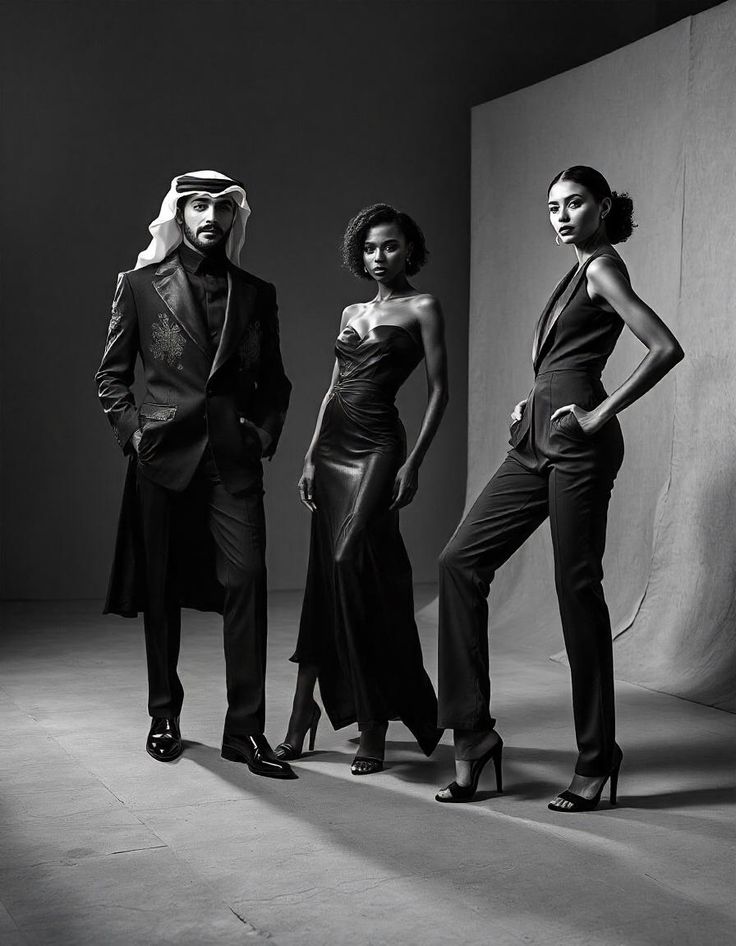
Similarly, cultural appropriation in celebrity wardrobes has ignited discussions around sensitivity and respect for different cultures. When stars adopt traditional garments without understanding their significance, they risk crossing a line.
Then there are those moments when celebrities face backlash for promoting brands linked to unethical practices or unsustainable materials. Fans feel torn between admiration for their style and disapproval of their choices.
Fashion is subjective—and that’s part of its allure! Yet these controversies remind us that every outfit tells a story worth examining closely.
Positive aspects of celebrity fashion influence
Celebrity fashion influence offers an exciting platform for innovation. Designers often draw inspiration from the bold choices of stars, pushing boundaries and introducing fresh aesthetics to the mainstream.
Celebrities have a unique ability to elevate niche designers. When they wear lesser-known brands, it can catapult them into the spotlight. This exposure allows emerging talents to thrive in a competitive industry.
Moreover, celebrity endorsements can promote sustainability and ethical fashion practices. Stars advocating for eco-friendly brands encourage fans to make conscious choices about their wardrobes.
Fashion becomes accessible when celebrities share styling tips or collaborate with affordable lines. It empowers everyday individuals to experiment with their style without breaking the bank.
Celebrity fashion serves as a form of self-expression that resonates across diverse cultures and communities. It fosters creativity and inspires people worldwide to embrace their individuality through clothing choices.
Celebrity fashion icons and their impact on the industry
Celebrity fashion icons have a profound impact on the industry, often shaping trends with their bold choices. Think of Audrey Hepburn’s classic little black dress or David Bowie’s avant-garde styles. These figures push boundaries and redefine elegance.
Today, stars like Rihanna and Harry Styles continue this legacy. They embrace gender fluidity in fashion, challenging traditional norms. Their unique aesthetics inspire countless fans and designers alike.
Influence extends beyond clothing; it seeps into accessories, hairstyles, and even makeup. A simple outfit worn by an icon can spark viral trends overnight. Social media amplifies this effect significantly.
Moreover, these celebrities serve as muses for many designers. Their partnership brings fresh ideas to life while maintaining relevance in a fast-paced market. As they evolve personally and stylistically, so does the entire fashion landscape around them.
Conclusion
Fashion and celebrity culture are intricately linked, shaping the way we perceive style and influence. The power of celebrities to sway public opinion on fashion is immense. From Hollywood’s golden age to today’s social media-driven landscape, stars have consistently set trends that resonate with fans.
Throughout history, we’ve seen influential figures like Audrey Hepburn and David Bowie redefine what it means to be fashionable. Their unique styles continue to inspire designers and consumers alike. As we moved into the era of digital communication, platforms like Instagram amplified this effect. Celebrities can now share their looks instantly, reaching millions in a matter of moments.
Collaboration between celebrities and brands has also transformed the fashion industry. These partnerships often lead to innovative collections that reflect current trends while maintaining authenticity—a win-win for both parties involved.
Red carpet events serve as major showcases for celebrity fashion choices too. Designers eagerly await these nights when stars make bold statements through their outfits, sometimes sparking widespread debate or admiration among fans and critics alike.
However, this spotlight isn’t without its controversies; certain choices can ignite discussions about body image or cultural appropriation. Yet despite these issues, many positive aspects prevail—celebrities often use their platform to promote sustainable practices or advocate for underrepresented designers.
Fashion icons like Rihanna or Harry Styles exemplify how personal expression shapes broader aesthetic movements within the industry—not just fleeting fads but lasting impacts on how society views gender norms in clothing.
The conversation surrounding celebrity influence in fashion will undoubtedly continue evolving as new generations emerge with fresh perspectives and ideas.